
Light Requirements
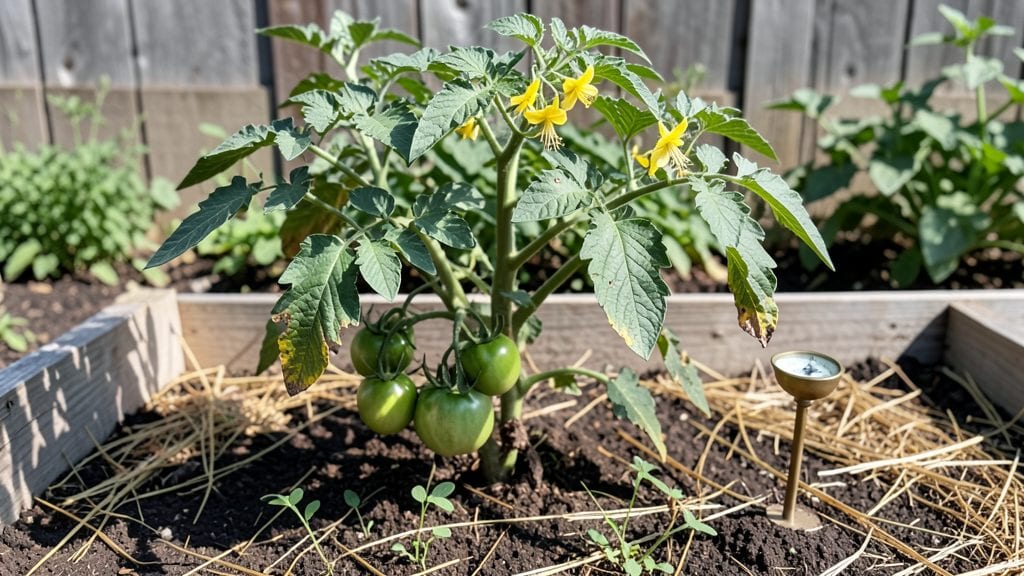
One of the first questions gardeners ask is how much sun for vegetable garden success—most crops thrive with at least 6 hours daily, while leafy greens tolerate partial shade.
Struggling to decide where to plant your vegetables? The wrong amount of sunlight can mean the difference between a thriving harvest and wasted effort. Whether you’re working with a sunny backyard or a shady corner, knowing the exact light needs for each plant is the key to success.
Sunlight isn’t just about hours—it’s about placement. Tomatoes and peppers demand full sun, while herbs and greens can thrive with partial shade. Without the right balance, you might end up with leggy plants, bitter flavors, or even no harvest at all.
In this guide, I’ll break down the exact sunlight requirements for every common vegetable, plus tips for measuring light in your garden and adjusting your layout for the best results.

Sunlight requirements by vegetable type: full sun vs. partial shade
Understanding your garden’s sunlight patterns is the first step to growing a productive vegetable patch. Most vegetables fall into two categories: those needing full sun (6+ hours) and those content with partial shade (3-6 hours). Getting this wrong can lead to stunted growth, poor yields, or even plant death.
For example, tomatoes and peppers will bolt or produce bitter fruit if starved of sunlight, while spinach and lettuce may turn tough and bitter in too much sun.
I’ve planted everything from sun-loving cucumbers to shade-tolerant bok choy, and I’ve learned that even a few hours of sun can make or break your harvest. The key is matching each plant’s needs to your garden’s microclimates—some spots get morning sun only, while others bake all afternoon.
Let’s break down the exact requirements so you can place every plant perfectly.
Full sun means 6 or more hours of direct sunlight daily, while partial shade ranges from 3-6 hours. Some plants, like green beans, tolerate a mix—thriving in full sun but enduring light shade if needed. Others, like carrots, prefer partial shade to avoid bolting. Below, I’ve organized the most common vegetables by their sunlight needs, so you can plan your garden layout like a pro.
How to measure and optimize sunlight in your garden layout
Sunlight is the lifeblood of your vegetable garden, but not all plants crave the same amount. Tomatoes and peppers thrive in 6-8+ hours of direct sun, while leafy greens like spinach and lettuce prefer 3-6 hours.
Before planting, I always assess my garden’s sunlight patterns to avoid common mistakes like overcrowding sun-lovers or wasting shade-tolerant spots. Start by observing your yard for at least 24 hours to map out sun and shade shifts throughout the day.
Use a simple sunlight journal to track how sunlight moves across your garden. Note when shadows appear and disappear—especially in the morning and afternoon, when angles change dramatically. A DIY sunlight gauge (like a stick or ruler) can help measure exact hours of exposure.
This step saves me from guessing and ensures I place sun-hungry crops like cucumbers and eggplants in the brightest spots.
Vegetables like tomatoes and peppers need 6+ hours of sun daily. Without enough light, they’ll produce smaller fruits, fewer blooms, and even bolt prematurely. Even partial shade (3-6 hours) can stunt growth in these crops. Test your garden’s sunlight with a sun calculator app or place a white board in suspected spots—mark shadows every hour to track exposure.
Once you’ve mapped your sunlight, group plants by their needs. Place full-sun crops (like zucchini and beans) in the sunniest areas, while partial-shade plants (such as bush beans or radishes) can thrive near taller plants or fences that cast afternoon shade.
If your garden lacks natural shade, use row covers or trellises to filter light for heat-sensitive plants like lettuce or basil during peak summer hours.
Don’t forget to account for seasonal changes! A spot that gets full sun in summer might only receive partial shade in winter due to lower sun angles. Adjust your layout accordingly—perhaps moving cool-season crops like kale to sunnier spots in early spring or late fall.
I also use reflective mulch (like white gravel) to bounce extra light onto shade-prone areas during critical growing phases.
Common mistakes to avoid include planting sun-lovers in shade or ignoring wind patterns that can alter sunlight exposure. For example, a north-facing wall might block morning sun, while a south-facing slope could intensify heat.
Test your soil’s moisture retention too—dry, sunny spots may need mulch or drip irrigation to prevent stress. A well-optimized layout turns your garden into a high-yield machine instead of a gamble.
Pro tip: Use vertical gardening to maximize space in shady areas. Pole beans, cucumbers, and squash can climb trellises, lifting them into brighter air while freeing up ground space for shade-tolerant crops below.
This trick doubles my harvest in tight spots! With the right setup, even a small balcony or backyard corner can become a productivity powerhouse.