
Planting
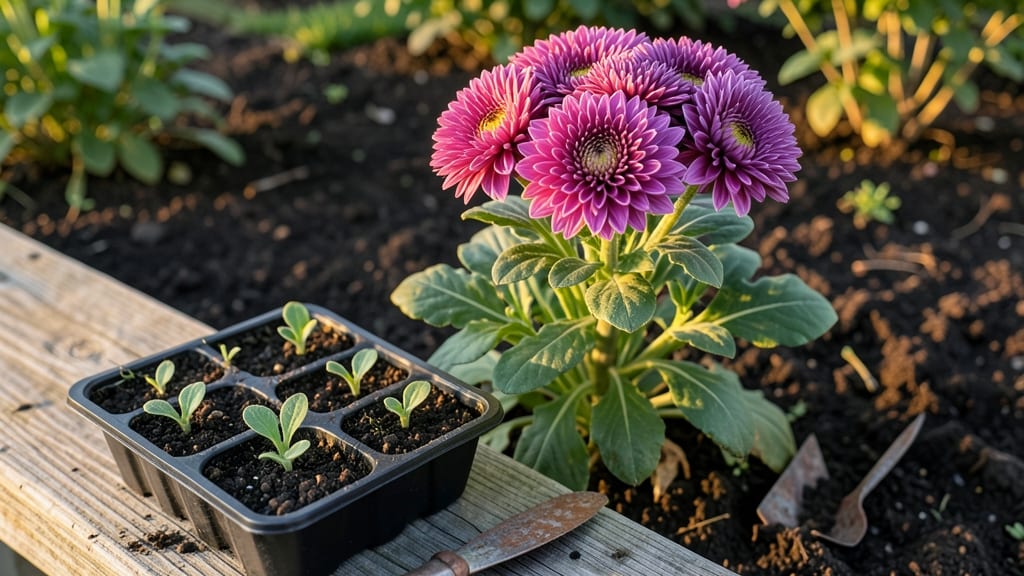
You can plant garden mums in the ground in most climates, though their growth depends heavily on USDA zones 7-11 for optimal performance. These plants prefer well-draining soil, partial shade, and steady moisture. For colder regions (zones 5-6), cold-resistant varieties like 'Autumn Joy' thrive with proper mulching.
Garden mums are surprisingly adaptable, but their success hinges on matching your climate to the right variety. 🌿 The key lies in their root systems—mums store energy underground, which helps them bounce back from frost if protected.
In northern climates, treating them as perennials with thick mulch layers (3-4 inches) prevents freeze damage and extends their lifespan. Even in warmer zones, proper soil drainage prevents root rot, a common issue when these plants sit in soggy conditions.
Beyond hardiness, sunlight plays a critical role: while they tolerate partial shade, full sun exposure intensifies their vibrant colors but demands more frequent watering. I’ve found that spacing plants 12-18 inches apart improves airflow, reducing fungal risks.
For container growers, larger pots with drainage holes mimic ground conditions better than shallow trays.
💡 In This Article
- Garden Mum Hardiness Zones and Cold Tolerance
- Soil and Sunlight Requirements for Outdoor Garden Mums
Garden mum hardiness zones and cold tolerance
Garden mums (Chrysanthemum × morifolium) are classified as perennials in zones 7-11 but behave as annuals in colder zones without protection. Their hardiness stems from specialized root systems that store carbohydrates during dormancy, allowing them to regrow in spring.
The USDA zone system measures average annual minimum temperatures—mums typically tolerate down to 15-20°F without damage, but prolonged exposure below 10°F risks fatal root freezing. 🔥
Cold-hardy varieties like 'Autumn Joy' (zone 5) and 'Hardy Bonanza' (zone 4) excel because they develop deeper root systems that insulate against frost. These varieties also exhibit bud dormancy, a physiological adaptation where flower buds remain dormant until temperatures rise.
In contrast, tropical types (e.g., 'Coco') struggle in zones below 8 because their roots lack this protective mechanism. The difference lies in their genetic origin—hardy mums evolved in East Asia's temperate climates, while tropical mums hail from warmer regions.
For zones 4-6, overwintering strategies focus on insulating the crown and roots. A 3-4 inch layer of straw or shredded leaves over the soil after the first frost prevents temperature swings that cause heaving.
Adding a 10-12 inch layer of mulch in late fall creates an insulating blanket that maintains soil temps above 25°F. In extreme winters, wrapping the base with burlap or frost cloth adds an extra barrier against wind chill. 💛
What most gardeners overlook is the role of soil moisture during dormancy. Keeping soil slightly moist (not soggy) through winter prevents root desiccation—a common issue when cold air dries out exposed roots.
In containers, move pots to a sheltered spot and bury them halfway in the ground or surround with insulating foam boards. This mimics ground conditions and prevents temperature fluctuations that stress roots.
Here’s how to identify cold-tolerant varieties at the nursery:
- Label claims: Look for "hardy" or "cold-resistant" on plant tags
- Root structure: Deeper root systems (3-4 inches) indicate better cold tolerance
- Foliage color: Darker green leaves often signal hardier genetics
Even in marginal zones, mums can surprise you. I’ve seen 'Autumn Joy' recover from -5°F winters with proper mulching, though flower production may be delayed until late summer. The key is patience—hardy mums often bloom 4-6 weeks later than tropical varieties but reward you with longer vase life and more robust growth. 🌟