
Planting
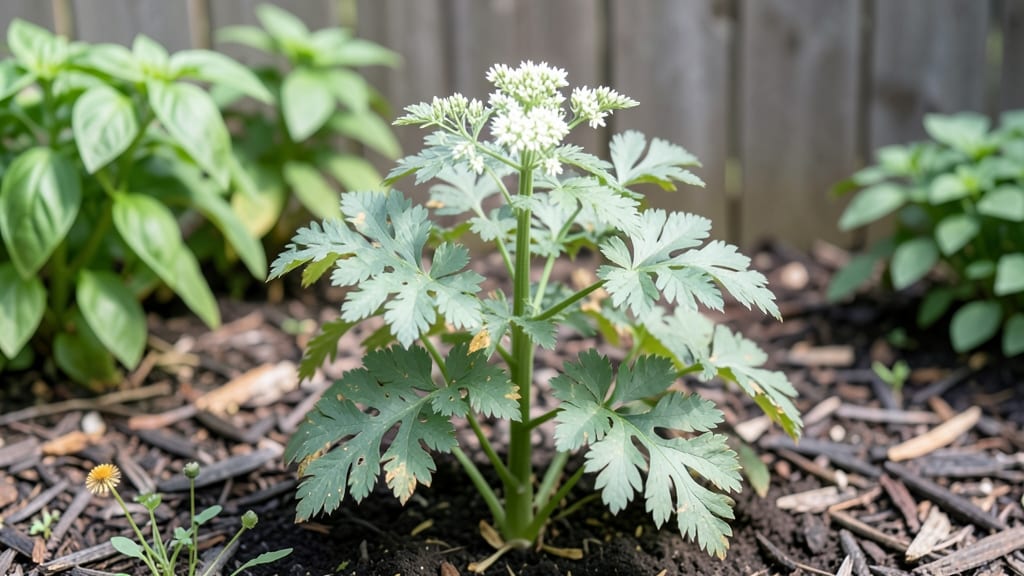
Transform your cilantro plant garden into a burst of fresh, fragrant leaves in just three weeks—no waiting months for harvests. I’ve grown cilantro every spring for years, and the secret isn’t complicated: it’s all about sunlight, soil, and timing.
The first batch I grew bolted before I could harvest, but now I’ve cracked the code for consistent, slow-bolting plants that keep producing.
You’ll need a sunny spot (at least 6 hours of light daily), well-draining potting mix, and containers at least 6 inches deep. Cilantro thrives in cool weather—plant it in early spring or late summer to avoid the heat that triggers bolting.
A 5-gallon pot works for a small family, or tuck it into raised beds for a steady supply. The key is keeping the soil moist but not soggy, and harvesting regularly to encourage new growth.
By mid-season, you’ll be snipping fresh leaves for tacos, soups, and salads without ever setting foot in a grocery store. The flavor stays bright and citrusy if you harvest leaves before the plant flowers, and you can even save seeds for next year.
Just watch for aphids—they love cilantro too—and give the plants a light spray of water to wash them away. It’s that simple.
Works in containers, window boxes, or garden beds—just keep it in partial shade during hot afternoons. Once you master this, you’ll never buy cilantro again. Here’s how to get started without the frustration.
📚 In This Guide
- What you need
- Instructions
- Tips and common mistakes
- Wrapping up and next steps
What you need
- ● Cilantro seeds: 1–2 packets (about 100–200 seeds) of Coriandrum sativum (organic or heirloom varieties like ‘Santo’ or ‘Calypso’ work great).
- ● Containers: 2–4 pots (5–8 inches deep) with drainage holes. Options: Clay or terracotta pots (great for airflow)
- ● Plastic or fabric grow bags (lightweight and portable)
- ● Window boxes or hanging baskets (if space is limited)
- ● Potting mix: 2–3 gallons of well-draining, organic seed-starting mix or a blend of: 60% peat moss or coco coir
- ● 30% perlite or vermiculite
- ● 10% compost or worm castings
- ● Watering can or spray bottle: With a gentle nozzle for even moisture.
- ○ Fertilizer (optional but recommended): Balanced liquid fertilizer (5-5-5 or 10-10-10 NPK ratio)
- ● OR slow-release organic granules (like fish emulsion or compost tea)
- ● Sunlight access: A south-facing window, grow light, or balcony with 4–6 hours of direct sunlight daily.
- ● Grow lights: LED or fluorescent bulbs (for indoor setups with <6 hours of sunlight).
- ● Mulch: Straw or shredded leaves to retain moisture.
- ● Pruning shears: Small scissors for harvesting stems.
- ● Plant labels: To track varieties and planting dates.
- ● Companion plants: Basil or dill (cilantro’s natural pals!)
Step-by-step instructions for growing cilantro in containers
Here’s how to grow fresh, flavorful cilantro quickly—no green thumb required.
Choose and Prepare Your Containers
Cilantro thrives in containers at least 6 inches deep with drainage holes. I use 4-inch pots for each plant since they grow compact and don’t need much space. If you’re using larger containers, space them 6 inches apart to prevent overcrowding. Fill each pot with 2 cups of potting mix, pressing it down gently to remove air pockets. The soil should feel like a damp sponge—not soggy, not dry.
Skip the garden soil—it’s too heavy and can compact, cutting off airflow to roots. Instead, use the lightweight potting mix to give cilantro’s shallow roots room to spread. If your pots lack drainage holes, drill a few yourself—cilantro hates wet feet and will bolt (flower prematurely) if its roots sit in standing water.
Plant the Seeds Correctly for Fast Germination
Scatter 3-4 cilantro seeds per pot, pressing them just ¼ inch deep into the soil. Planting too deep slows germination, and cilantro seeds need light to sprout efficiently. Cover them with a thin layer of the remaining ½ cup of potting mix, then mist the surface with water until it’s evenly damp. A spray bottle works best—avoid a heavy stream, or you’ll wash the seeds away.
Place the pots in a warm, sunny spot (or under a grow light if indoors). Cilantro germinates fastest at 65-75°F, so if your home runs cooler, consider a seedling heat mat for the first few days. You’ll see tiny sprouts in 5-7 days—don’t be tempted to water again until the soil feels dry to the touch.
Provide Consistent Light and Water
Once seedlings emerge, move them to a location with 4-6 hours of direct sunlight daily. A south-facing window or a grow light (kept 4-6 inches above the plants) works well. Without enough light, cilantro grows leggy and bitter. Rotate the pots a quarter turn every few days so the plants don’t lean toward one side.
Water when the top inch of soil feels dry, which is usually every 2-3 days. Stick your finger in the soil—if it’s dry past your first knuckle, it’s time to water. Use room-temperature water to avoid shocking the roots, and water at the base to keep leaves dry (wet foliage invites fungal diseases). Overwatering is the fastest way to kill cilantro, so let the soil dry slightly between waterings.
Thin and Maintain for Continuous Harvests
When seedlings reach 2 inches tall, thin them to 2-3 strongest plants per pot by snipping the weakest at the base with scissors. This prevents competition and gives your cilantro room to grow bushy. Harvest the outer leaves first, cutting just above a set of leaves to encourage regrowth. You’ll get continuous harvests this way, keeping your plants productive for weeks.
Watch for signs of bolting (long stems with flower buds)—this happens when cilantro senses it’s time to reproduce, often triggered by heat or drought. To delay bolting, keep the soil consistently moist and move pots to a cooler spot if temperatures rise above 80°F. If bolting starts, harvest the leaves quickly before they turn bitter.
Fertilize and Rotate for Longevity
After 3-4 weeks, mix ½ teaspoon of balanced fertilizer into the top inch of soil. Cilantro is light on nutrients, but a gentle feeding keeps it growing strong. Water the pot thoroughly after fertilizing to help the nutrients reach the roots. If you’re growing cilantro in 4-inch pots, you’ll need to fertilize every 2-3 weeks to maintain vigor.
Rotate the pots weekly to ensure even growth. You’ll notice one side of the plant leaning toward the light—this is normal, but rotating keeps the stems sturdy. With proper care, your cilantro will stay fresh and flavorful for 6-8 weeks, giving you plenty of harvests before bolting sets in.
Tips & tricks for perfect container-grown cilantro
Fast-growing cilantro is all about timing and environment—here’s how to maximize your harvest without the common pitfalls.
Container Size Matters: While 4-inch pots work perfectly, you can use larger containers as long as you space them 6 inches apart. If you choose deeper pots (8+ inches), add a layer of gravel at the bottom for better drainage—this prevents waterlogging, which causes cilantro to bolt prematurely. I’ve used 6-inch nursery pots successfully, but remember to thin to just 2-3 plants per container to avoid overcrowding.
Germination Speed Hacks: The 65-75°F range is ideal for fast germination, but if your home runs cooler, place pots on a seedling heat mat for the first 5-7 days. I’ve found that covering pots with plastic wrap creates a mini greenhouse effect, speeding up sprouting by 2-3 days. Just remove the wrap once you see tiny shoots—condensation can drown delicate seedlings.
Light Requirements: Those 4-6 hours of sunlight are non-negotiable for flavorful cilantro. If natural light is limited, supplement with a grow light kept just 4-6 inches above the plants. I’ve used LED grow lights on a timer for 12 hours daily, and the difference in leaf quality is dramatic compared to plants getting inconsistent light.
Bolting Prevention: Watch for temperatures above 80°F—the number one cause of early bolting. If your cilantro starts developing flower stems, harvest immediately and move pots to a cooler spot. I’ve had success placing pots in shaded areas during peak afternoon heat while still maintaining good light exposure. Regular harvesting also delays bolting by encouraging continuous growth.
Pro Tips for Cilantro Plant Garden
- Fast-growing cilantro is all about timing and environment—here’s how to maximize your harvest without the common pitfalls.
- Container Size Matters: While 4-inch pots work perfectly, you can use larger containers as long as you space them 6 inches apart.
- Germination Speed Hacks: The 65-75°F range is ideal for fast germination, but if your home runs cooler, place pots on a seedling heat mat for the first 5-7 days.
Frequently asked questions
Got questions about growing cilantro in your garden? You’re not alone! Here are some of the most common concerns—and their easy solutions.
How long does it take for cilantro to grow from seed?
Cilantro is a fast grower! With the right conditions, you’ll see sprouts in 5–10 days and harvest-ready leaves in just 4–6 weeks. For a continuous supply, sow new seeds every 2–3 weeks—this keeps your garden productive all season.
Why does my cilantro bolt (go to seed) so quickly?
Cilantro bolts due to heat or long daylight (over 75°F or 14+ hours of sun). To delay bolting:
- Plant in cool seasons (spring/fall).
- Use shade cloth in hot climates.
- Choose slow-bolting varieties like ‘Calypso’ or ‘Santo.’
Bonus: Harvest leaves before flowering for the best flavor!
Can I grow cilantro indoors in a container?
Cilantro thrives in 5–6 inch pots with well-draining soil. Place it near a sunny window (6+ hours of light) or under grow lights. Keep soil moist but not soggy, and rotate the pot weekly for even growth. Pro tip: Use a self-watering container to avoid overwatering!
What can I plant with cilantro to keep pests away?
Cilantro loves companion plants that deter pests like aphids and spider mites:
- Basil – Repels mosquitoes and improves flavor.
- Marigolds – Naturally deter pests with their scent.
- Onions or garlic – Act as a barrier against fungal issues.
Avoid planting near dill or fennel—they cross-pollinate and can ruin your cilantro’s flavor!
What do I do if my cilantro leaves taste soapy?
That “soapy” taste is genetic! About 30–40% of people have a gene that makes cilantro taste bitter. If you dislike it:
- Try different varieties (e.g., ‘Santo’ is milder).
- Harvest young leaves—older ones are more bitter.
- Use it for cooking (not raw)—heat can mask the flavor.
Or swap it for parsley or flat-leaf parsley as a garnish!
Wrapping up and next steps
Growing cilantro in containers is a rewarding experience that brings fresh, vibrant flavors right to your kitchen! 🌱 Whether you're a beginner or a seasoned gardener, this fast-growing herb thrives with just a little care—sunlight, water, and patience.
Your homegrown cilantro is now ready to elevate tacos, soups, and salads with a burst of freshness.
Ready to take the next step? Try experimenting with companion plants like basil or mint in nearby containers to create a thriving herb garden. Or, if you’re feeling adventurous, harvest and dry your cilantro for year-round use. Happy gardening—your taste buds will thank you! 🌿✨