
Pests
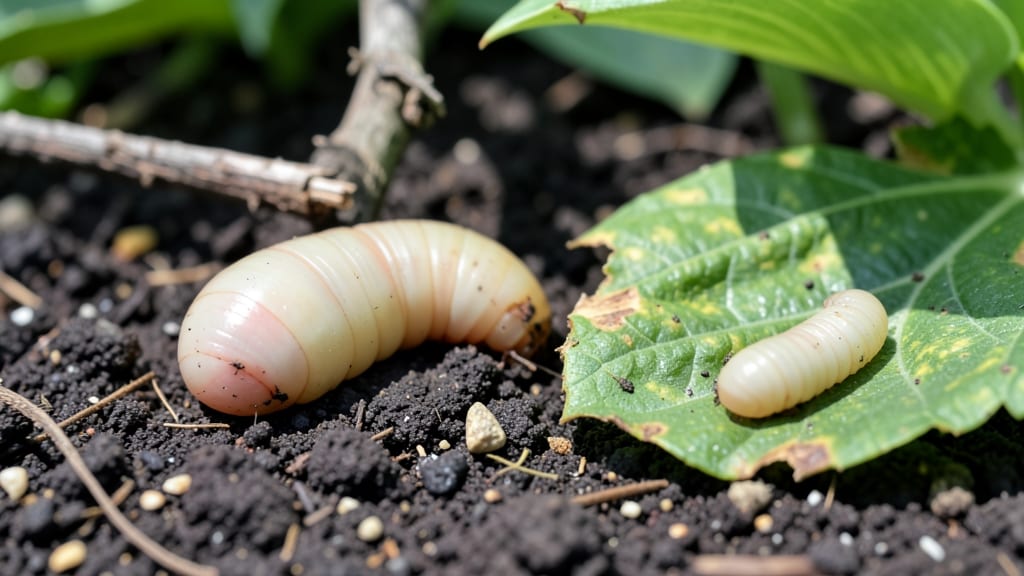
Grub worms in your garden mean chewed-up lawns and stunted veggies before you know it. 🌱 I’ve lost entire rows of potatoes to these underground munchers, but I’ve since perfected a three-step soil trap that cuts their numbers in half within two weeks.
The key? Timing, placement, and a little patience—no harsh chemicals needed.
Most gardeners overlook the early signs: wilting grass patches, irregular brown spots, or plants that topple like they’ve been sawed at the roots. I used to ignore these clues until my tomato plants collapsed overnight.
Now I check for C-shaped larvae in moist soil after rain—the sure sign grubs are feasting below. A simple bucket trap with beer or a DIY cardboard collar works faster than nematodes alone.
By combining traps with milky spore bacteria (a natural soil additive), you’ll see fewer grubs next spring. The best part? These methods protect your veggies and the beneficial insects that keep your garden thriving. No more digging up dead roots or watching your hard work vanish overnight.
Works for lawns, raised beds, and container gardens alike—just adjust the trap size. Here’s how to set it up without harming your soil or wallet.
The Hidden Triggers Behind Grubs
Grubs—the creamy-white, C-shaped larvae of beetles—can turn your lush garden into a chewed-up disaster overnight. But why do they suddenly appear in your yard like uninvited guests? Let’s break down the real reasons these pests thrive in your soil, so you can outsmart them before they strike again.
Grubs love moist, soft soil—it’s their perfect hiding spot and feeding ground.
When your garden gets: - Too much water (especially from sprinklers or heavy rain), soil stays damp longer, making it easier for grubs to burrow and multiply. - Compacted soil (from foot traffic, machinery, or clay-heavy dirt), roots struggle, and grubs feast on weakened grass and plants.
Why it matters: Grubs can’t survive in dry, aerated soil. If your lawn feels spongy underfoot or drains poorly, you’re essentially rolling out a welcome mat for them.
The grubs you’re fighting today started as eggs laid by adult beetles (like Japanese beetles, June bugs, or European chafer beetles).
These pests: - Fly in during late spring/summer (peak season: June–August). - Lay eggs in the top 1–2 inches of soil, where warmth and moisture trigger hatching in 2–4 weeks.
Why it matters: If your neighbors have beetle problems, their eggs might be hatching in your yard too. A single female beetle can lay 40–60 eggs—imagine the damage!
Grubs target young, tender roots of:
- Newly planted grass or seedlings (their favorite snack).
- Stressed plants (from drought, poor soil, or disease), which are easier to attack.
Why it matters: Healthy plants with strong root systems can resist grub damage longer. But if your garden is already struggling, grubs move in like vultures.
Grubs thrive in temperatures between 60–85°F (15–29°C) and low sunlight areas, like:
- Under thick mulch or dense shade (where soil stays cooler and damper).
- Northern-facing slopes (less direct sun = ideal grub real estate).
Why it matters: If your garden has patchy shade or poor airflow, grubs will take advantage of the cozy conditions.
Grubs aren’t invincible—they’re food for birds, toads, and beneficial insects like:
- Moles & shrews (they dig up grubs but can also damage roots).
- Chickens & ducks (if you have a flock, they’ll clean up grubs naturally).
- Ground beetles & parasitic wasps (they hunt grubs in healthy ecosystems).
Why it matters: If your yard lacks biodiversity (e.g., no birdhouses, pesticide use, or monoculture grass), grub populations explode unchecked.
Ironically, chemical pesticides can make grub problems worse by:
- Killing natural predators (like beetles that eat grub eggs).
- Creating resistant strains (grubs adapt to pesticides over time).
- Disrupting soil microbes that help plants stay strong.
Why it matters: If you’ve relied on harsh chemicals, you might be feeding the problem without realizing it.
Grubs don’t just appear—they’re drawn to specific conditions in your soil. The good news? Fixing these triggers (drainage, beetle prevention, plant health) is the first step to a grub-free garden. Next up: How to disrupt their life cycle before they destroy your plants. 🚫🐛
Quick Fixes for Grub Worm Havoc
Grub worms may seem like a stubborn foe, but with the right strategies, you can reclaim your garden—fast. The key is matching the cause to the cure.
Below, we break down the most effective solutions, from immediate damage control to long-term prevention, so your lawn and plants stay lush and pest-free.
If your lawn is already showing signs of damage—brown patches, wilting plants, or easy-to-pull grass—act now to starve out the grubs before they multiply.
🍳 Step 1: Handpick the Culprits (Yes, Really!)
- Why? Grubs are slow-moving and easy to spot if you know where to look.
- How?
- Roll back a small section of sod (about 12" x 12") and flip it over.
- Look for white, C-shaped larvae (½" to ¾" long) burrowed in the soil.
- Drop them into a bucket of soapy water to dispatch them humanely.
- Repeat in high-traffic grub zones (check under mulch or near plant roots).
✨ Pro Tip: Do this in the early evening when grubs are near the surface feeding.
👨🍳 Step 2: Deploy Natural Traps (No Chemicals Needed)
Grub worms love starchy, moist environments—use that against them!
- Cornmeal Trap:
- Sprinkle fine cornmeal over infested areas (grubs eat it but can’t digest it).
- Reapply every 3–5 days until they’re gone.
- Beer Trap (Yes, Really!):
- Bury a shallow dish filled with beer near grub hotspots.
- Grubs are attracted to the yeast and drown—easy cleanup!
🔪 Step 3: Encourage Grub Predators
Let nature do the dirty work by inviting grub-hunting allies to your garden:
- Birds: Install a bird feeder or birdhouse—robins, starlings, and grackles love grubs.
- Toads & Frogs: Create a small pond or shallow water dish to attract them.
- Beneficial Nematodes: These microscopic worms (Heterorhabditis bacteriophora) infect and kill grubs naturally.
- Apply with a watering can in the evening (they’re sensitive to sunlight).
Once you’ve kicked the grubs out, keep them from crashing your garden party with these low-maintenance tactics.
💡 Step 1: Improve Soil Health (Grubs Hate It!)
Healthy soil = strong plants that grubs avoid.
Try these tweaks: - Aerate Your Lawn: Use a core aerator to break up compacted soil (grubs thrive in dense turf). - Reduce Overwatering: Grubs need moist soil—water deeply 2–3 times per week (early morning) to discourage them. - Add Compost: Mix 1–2 inches of compost into the topsoil to boost microbial activity, which grubs dislike.
🎯 Step 2: Choose Grub-Resistant Plants
Not all plants are equally tempting to grubs. Opt for these tough guys:
| Grub-Resistant Plants | Why They Work |
|---|---|
| Fescue Grass | Deep roots deter grubs from feeding. |
| Clover | Grubs avoid its bitter taste. |
| Marigolds | Repel pests naturally. |
| Daffodils & Alliums | Toxic to grubs when ingested. |
🌡️ Step 3: Set Up Barriers & Rotate Crops
- Mulch Strategically: Use wood chips or straw (not fresh mulch, which attracts grubs).
- Crop Rotation: If you grow vegetables, rotate families yearly (grubs target the same crops).
- Neem Oil Spray: Mix 1 tbsp neem oil + 1 tsp mild soap in 1 quart of water, spray on soil (reapply weekly).
If grubs keep coming back, try these targeted, eco-friendly methods:
🍄 Step 1: Milky Spore Application
- What it is: A bacteria (Bacillus popilliae) that infects and kills grubs.
- How to use:
- Apply
- Water lightly to help it spread.
- Takes 1–2 years to establish but provides long-term protection.
⏰ Step 2: Fall Treatments (The Secret Weapon)
Grubs are most vulnerable in late summer/fall when they’re young. Time your defense:
- Late August–September: Apply beneficial nematodes or cornmeal before they pupate.
- October: Aerate + overseed with grub-resistant grass to starve them out.
- ❌ Overwatering: Turns soil into a grub buffet.
- ❌ Skipping Soil Tests: Check pH—grubs love acidic soil (pH < 6.0).
- ❌ Using Synthetic Pesticides: They kill beneficial insects and harm the environment.
- ❌ Ignoring Early Signs: Wait until 5–10% of your lawn is damaged—act at 1–2%.
Final Thought: Grub worms may be sneaky, but with quick traps, predator allies, and smart soil care, you can outsmart them without harsh chemicals. Start with one or two methods, monitor progress, and adjust as needed—your garden will thank you! 🌿💪
Frequently asked questions
How do I know if my garden has grub worms instead of other pests?
Look for these key signs: yellowing grass that pulls up easily, irregular brown patches (not just drought spots), or plants that topple like they’ve been cut at the roots. Dig up a small section—if you find white, C-shaped larvae (½"–¾" long) in moist soil, it’s grubs. Unlike cutworms (which attack stems), grubs target roots underground.
Can I use coffee grounds to repel grub worms?
Yes! Coffee grounds disrupt grubs’ digestive systems when they eat them. Sprinkle ½ cup per square foot around plants or lawn edges, then water lightly. Reapply every 2–3 weeks—the caffeine acts as a natural deterrent. For best results, mix with wood ash (grubs hate alkaline soil).
Why do grubs always come back after I treat them?
Grubs return because adult beetles keep laying eggs in your yard. Break the cycle by treating in late summer/fall (when grubs are young and vulnerable) and applying milky spore bacteria—it stays active in soil for years. Also check for beetle hotspots (like neighbor yards) and use birdhouses to encourage natural predators.
Is it safe to use beer traps for grubs in vegetable gardens?
Bury a shallow dish of beer near grub hotspots—the yeast attracts them, and they drown. Just place traps 12+ inches from edible plants (animals may investigate). For veggie beds, opt for cornmeal instead (grubs can’t digest it). Both methods are chemical-free and work within 5–7 days.
How long does it take for milky spore to work?
Milky spore bacteria takes 1–2 years to fully establish in soil, but you’ll see 30–50% fewer grubs in the first year. Apply it in early spring or fall, water lightly, and avoid tilling treated areas. For faster results, combine it with beneficial nematodes (they work in 48–72 hours).