
Pests
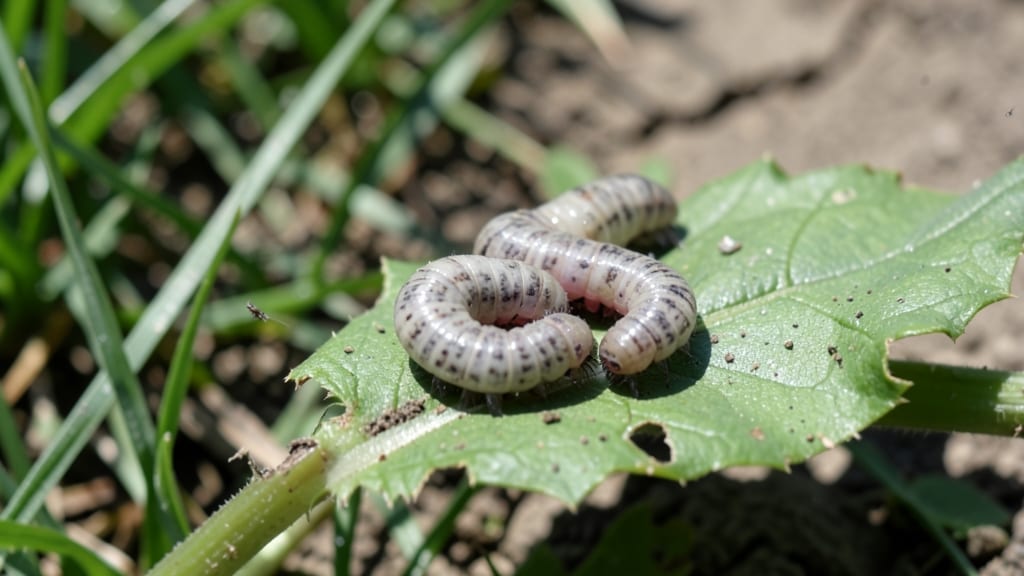
The moment I spotted those telltale signs of the bad worms in garden—chewed leaves and vanished seedlings—I knew not all worms were my allies. Cutworms, grubs, and slugs turn lush plants into skeleton leaves overnight, but organic removal hacks can stop them without harming your soil or pollinators.
The key is acting fast—these pests multiply when ignored, and the damage compounds with each night.
I’ve tested everything from beer traps to diatomaceous earth, and the most reliable methods don’t require toxic sprays. Handpicking at dusk works for cutworms, while milky spore or nematodes handle grubs underground.
The trick is matching the worm to the solution—what stops slugs won’t touch grubs, and vice versa. Prevention starts with healthy soil and evening patrols when pests are most active.
You’ll see results within days if you act early: fewer ragged leaves, no more overnight disappearances, and plants that grow strong instead of stressed. The best part? These methods protect beneficial worms too, so your garden stays balanced.
Once you master the patterns, you’ll spot signs before damage starts—and that’s when the real confidence kicks in.
Works for vegetable gardens, flower beds, and even houseplants on patios. The same principles apply whether you’re dealing with a few stragglers or a full-blown invasion. Let’s turn those chewed leaves into a thing of the past—without sacrificing your garden’s health.
Root Causes Of Garden Worms
Discovering unwanted worms in your garden can feel like a nightmare—especially when they’re the bad kind, like cutworms, grubs, or slugs, that munch on your plants instead of helping the soil. But why do these pests show up in the first place?
The answer often lies in a mix of environmental conditions, human habits, and natural ecosystem imbalances. Let’s break down the key reasons these critters invade your green space.
Healthy soil is a living ecosystem, and when it’s out of balance, pests thrive. Over-fertilized or compacted soil, for example, creates the perfect breeding ground for grubs and wireworms. Here’s why:
- Excess Nitrogen: Too much synthetic nitrogen fertilizer (like lawn food) attracts soft-bodied pests like cutworms and slugs, which are drawn to lush, tender plant growth. Pro tip: Use organic compost or slow-release fertilizers to avoid spikes in nitrogen.
- Lack of Microorganisms: Soil teeming with fungi, bacteria, and beneficial nematodes keeps harmful worm populations in check. If your soil is depleted (due to over-tilling or chemical use), these natural predators disappear, leaving pests unchecked.
- Moisture Retention Issues: Some worms, like white grubs, love damp, poorly drained soil. If your garden holds too much water (or stays soggy after rain), it signals to pests that it’s a safe, food-rich environment.
Actionable fix: Test your soil’s pH and nutrient levels (aim for 6.0–7.0 pH) and amend it with compost, worm castings, or mycorrhizal fungi to restore balance.
Water is the ultimate magnet for many garden pests. Too much or too little can turn your garden into a worm buffet. Here’s how:
- Excess Moisture: Slugs, snails, and cutworms thrive in damp conditions. If your garden stays wet (from overwatering, poor drainage, or heavy shade), these pests will migrate in to lay eggs and feed. Fun fact: Some worms even drink water from leaf surfaces!
- Drought Stress: Weak, thirsty plants are easier targets for pests like tomato hornworms or beet armyworms, which seek out stressed foliage. Drought can also reduce the effectiveness of natural predators (like birds or ground beetles) that rely on water sources.
Actionable fix: Water deeply but infrequently (1–1.5 inches per week) and improve drainage with organic mulch. Avoid watering in the evening to reduce humidity.
In a balanced garden, predators like birds, toads, spiders, and parasitic wasps keep worm populations in check. But when these helpers disappear, pests explode. Common reasons include:
- Pesticide Overuse: Broad-spectrum chemicals (even some "organic" sprays) kill beneficial insects along with pests. For example, neonicotinoids can wipe out bees and ladybugs, leaving grubs unchecked.
- Habitat Loss: Monoculture gardens (planting only one type of crop) or bare soil offer fewer hiding spots for predators. Pests like Japanese beetle grubs multiply rapidly in uniform lawns with no diversity.
- Light Pollution: Artificial lights at night attract moths, which lay eggs that hatch into destructive caterpillars (like tomato loopers).
Actionable fix: Plant native flowers to attract predator insects, install birdhouses, and avoid chemical pesticides. Let leaf litter and mulch stay in place to provide shelter.
Worms are opportunistic, and changing weather patterns give them the upper hand. For instance:
- Mild Winters: Many pests, like cutworms or vine borers, survive cold snaps by burrowing deep. Warmer winters mean more survivors ready to reproduce in spring.
- Early Springs: Unusually warm early seasons trick pests into emerging before their natural predators (like lacewings) wake up, giving them a head start.
- Heavy Rains: Sudden downpours can wash away beneficial nematodes and drown beneficial insects, leaving pests like root-knot nematodes unopposed.
Actionable fix: Monitor weather forecasts and use row covers in early spring to protect young plants. Mulch heavily in fall to insulate soil and discourage overwintering pests.
Understanding these triggers is the first step to stopping worm invasions. The good news? Most of these issues can be reversed with simple, organic adjustments. Stay tuned for our next section on effective, chemical-free removal methods!
Quick Fixes for Garden Worms
Bad worms in your garden can feel like an uphill battle, but with the right strategies, you can reclaim your plants—without harsh chemicals. Below, we map common worm-related issues to practical, organic solutions, plus prevention tips to keep your garden thriving long-term.
Signs: Plants suddenly toppled at ground level, jagged stems, or missing leaves overnight.
How to Fix It 🔥 Handpick at Dusk – Cutworms hide near soil during the day.
After sunset, gently pull back mulch or leaves and remove them by hand (drop them in soapy water to kill them). 🍳 DIY Collar Barrier – Wrap the base of young plants with a cardboard collar (cut from a cereal box) or aluminum foil (3–4 inches high).
Cutworms can’t crawl over it. 👨🍳 Diatomaceous Earth (DE) Ring – Sprinkle food-grade DE in a 2-inch-wide band around plants.
It dehydrates cutworms but is safe for plants (reapply after rain). 🥘 Encourage Predators – Attract birds, toads, and ground beetles with a shallow dish of water or a small pond. These natural enemies love cutworms!
💡 Pro Tip: Plant marigolds, tansy, or thyme near vulnerable plants—their strong scents repel cutworms.
Signs: Wilting plants, brown patches in lawns, or moles/skunks digging up soil (they’re eating the grubs!).
How to Fix It 🔪 Nematode Spray – Use beneficial nematodes (Heterorhabditis bacteriophora or Steinernema carpocapsae).
Mix with water and spray on soil—these microscopic worms infect and kill grubs naturally. 🌡️ Milky Spore Treatment – For Japanese beetle grubs, apply milky spore powder (a bacteria that targets grubs).
It’s long-lasting and safe for gardens. ⏰ Fall Aeration + Beneficial Microbes – In early fall, aerate lawns and top-dress with compost or mycorrhizal fungi. Healthy soil = fewer grub outbreaks.
✨ Prevention Hack: Plant garlic, chives, or catnip—their scent deters beetles from laying eggs.
Signs: Irregular holes in leaves, silvery slime trails, or missing seedlings overnight.
How to Fix It
🥗 Copper Barrier – Bend copper tape around raised beds or pots. The electric charge from slugs touching it repels them (no harm done!). 🌡️ Beer Traps – Bury a shallow dish filled with beer (slugs crawl in and drown).
Refresh every 2 days. 🎯 Iron Phosphate Bait – Use organic slug pellets (like Sluggo). They’re pet-safe and dissolve in soil. 🔥 Dry Coffee Grounds – Sprinkle around plants—slugs hate the texture and avoid it.
💡 Pro Tip: Water plants early in the day so soil dries faster, making it harder for slugs to hide.
Signs: Seedlings or bulbs eaten underground, no visible holes (they’re inside!).
How to Fix It
🔪 Wood Ash Barrier – Sprinkle wood ash around bulbs or seeds. Wireworms avoid the alkaline environment. 🍳 Cereal Bait Trap – Bury a wheat bran or oatmeal mix in a shallow container.
Check daily and remove trapped wireworms. 👨🍳 Crop Rotation – Avoid planting corn, potatoes, or beans in the same spot yearly—wireworms target these crops.
🌱 Prevention: Plant mustard or radish cover crops—they attract wireworms away from your main plants.
To keep worms at bay long-term, follow these easy habits: ✅ Keep Garden Healthy – Strong plants resist pests!
Use compost, mulch, and balanced fertilizers. ✅ Remove Debris – Piles of leaves or boards give worms hiding spots—clean up regularly. ✅ Diversify Plants – A varied garden confuses pests (they can’t find their favorite snacks!). ✅ Encourage Wildlife – Chickens, ducks, or hedgehogs love eating worms naturally.
Final Thought: Most worm problems are manageable with patience and prevention. Start with one or two methods that fit your garden, then expand as needed. Your plants (and your sanity!) will thank you. 🌱💚
Frequently asked questions about harmful garden worms
How do I tell if my garden has destructive worms instead of helpful ones?
Look for chewed leaves, missing seedlings, or wilting plants—these are red flags. Helpful worms like earthworms create tunnels and improve soil, while pests like cutworms or grubs leave jagged holes, slime trails, or toppled stems. Check under mulch at dusk when many pests are active.
Are there any worms that actually help my garden?
Yes! Earthworms, nematodes, and millipedes improve soil health by aerating it and breaking down organic matter. The key difference: beneficial worms don’t eat plants—they enhance root growth. Look for smooth, dark-brown earthworms (not shiny or hairy). Preserve them by avoiding chemical pesticides!
What’s the fastest way to stop cutworms from destroying my seedlings?
Wrap young plants with cardboard collars (3-4 inches high) or use diatomaceous earth around the base. Handpick at dusk when they’re most active—drop them in soapy water. For severe cases, try beer traps (slugs/snails love it too). Results appear within 24-48 hours if you act fast.
Can I use coffee grounds to repel all garden worms?
Coffee grounds work only for slugs and snails—they dislike the texture. For grubs or cutworms, try wood ash barriers or beneficial nematodes. Coffee grounds also acidify soil over time, so use sparingly (1-2 cups per plant). Test a small area first!
Why do I keep seeing worms after treating my garden?
Pests often return if you’re missing their egg-laying sites (like leaf litter or mulch). Remove debris, rotate crops, and use preventive barriers (copper tape, diatomaceous earth). Some worms (like wireworms) take 2-3 years to fully leave the soil—patience and consistency are key!