
Tools
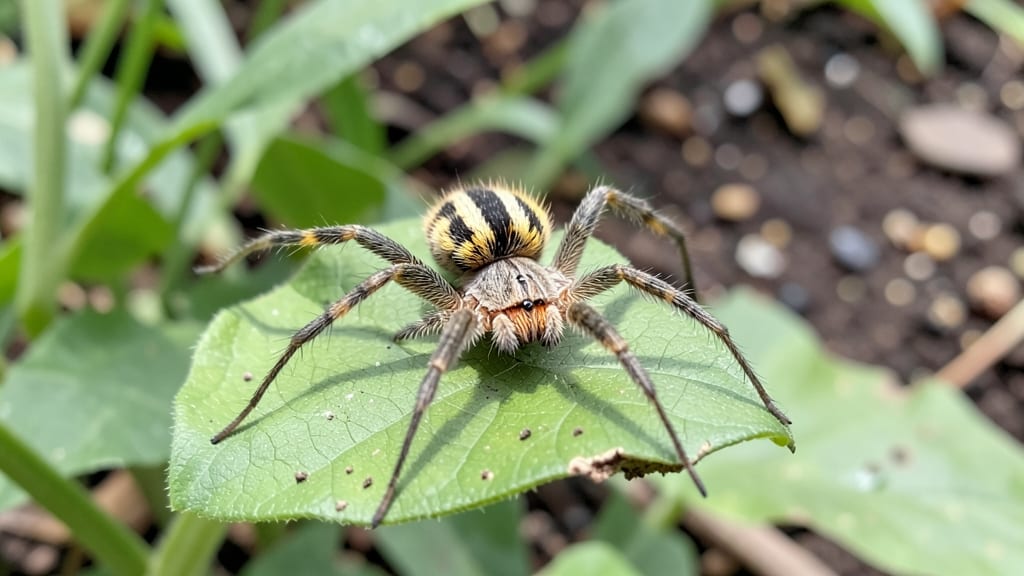
Georgia garden spiders are large, striped orb-weavers with striking black-and-white markings that thrive in gardens and wooded areas. These beneficial predators rarely bite humans but may build webs near plants, so gently removing them with a broom or vacuum keeps your outdoor space tidy without harming the spiders or your garden ecosystem.
These spiders—including the black-and-white garden spider (Argiope trifasciata) and the yellow garden spider (Argiope aurantia)—are Georgia’s most recognizable orb-weavers, known for their bold patterns and impressive webs. 🌿 Unlike aggressive species, they’re shy and play a crucial role by controlling pests like mosquitoes and caterpillars, which makes their presence actually beneficial for your garden.
The key to coexistence is simple: avoid disturbing their webs during peak activity (summer evenings) and opt for tools like a long-handled broom to relocate them safely.
💡 In This Article
- Identifying Georgia Garden Spider Species and Behavior
- Non-Toxic Garden Spider Management for Outdoor Spaces
Identifying Georgia garden spider species and behavior
The two most common Georgia garden spiders—Argiope trifasciata (black-and-white) and Argiope aurantia (yellow)—share similar habits but have distinct visual traits. The black-and-white species boasts a 1.5-inch body with bold white stripes on a black abdomen, while the yellow garden spider features a 1-inch yellow-orange body with black markings.
Their leg banding patterns differ too: black-and-white spiders have thick white bands on their legs, while yellow spiders display black-and-yellow striped legs with white tips.
Web patterns offer another clue. Both species build orb-shaped webs (up to 3 feet wide) with a distinctive zigzag stabilimentum—a yellow band in Argiope aurantia and white in Argiope trifasciata.
These webs often appear near garden edges or shrubs, where they trap prey like mosquitoes (up to 50 per night) and caterpillars. Their peak activity occurs from June to September in Georgia, with females dominating webs after mating in summer evenings.
Their pest-control role is remarkable. A single female can consume 1,000+ insects weekly, including garden pests like tomato hornworms and Japanese beetles. Unlike venomous species, their bites are harmless to humans—though they may retreat when disturbed.
The key to coexistence is recognizing these traits: white leg bands = black-and-white spider, yellow body = yellow garden spider, and zigzag web markings as their signature.
Seasonal behavior shifts with temperature. Spiders become most active when daytime highs reach 80°F+, often hunting at dawn/dusk. Their webs weaken in humidity above 70%, causing them to rebuild daily.
This explains why summer evenings are prime time for encounters—yet their presence signals a healthy ecosystem, as they thrive where other beneficial insects also live.
Here’s how to tell them apart at a glance:
- Body color: Black-and-white spider = black with white stripes; yellow garden spider = yellow-orange with black markings
- Leg bands: Black-and-white = thick white bands; yellow = black-and-yellow stripes
- Web stabilimentum: Black-and-white = white zigzag; yellow = yellow zigzag
Understanding these differences helps gardeners appreciate their role—especially when spotting webs near vegetable patches or flower beds. Their presence means fewer pests without chemicals! 🌿