
Plants
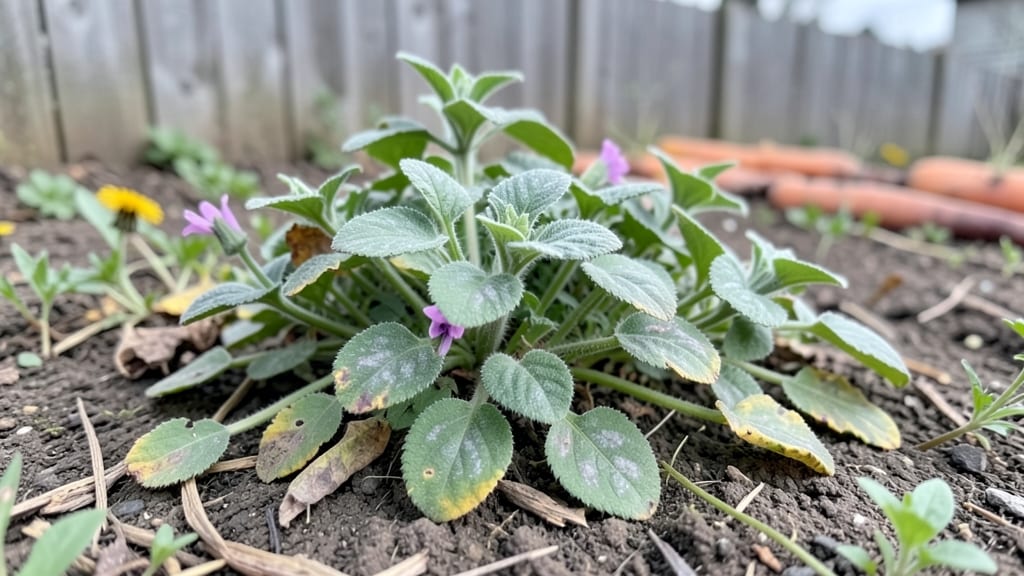
That tenacious garden weed with purple leaves stealing your garden’s spotlight is more than just a nuisance—they’re a puzzle. 🌿 I’ve wrestled with purple deadnettle and creeping charlie in my own backyard, and I’ll show you how to spot them (yes, even when... they look like your prized hostas) and remove them without scorching your lawn or your conscience.
The key is acting fast—before those vibrant leaves spread and choke out your flowers or veggies. Most purple-leafed weeds thrive in shady spots, so focus there first. A simple hand-pulling routine (with gloves, trust me) works wonders, especially when the soil’s damp.
For stubborn patches, vinegar-based sprays or targeted mulching can outsmart them without harsh chemicals.
What you’ll end up with is a garden where the purple belongs in your petunias, not your pathways. Your lawn stays lush, your perennials breathe easier, and you’ll spot these sneaky invaders before they take over.
The best part? No more guessing whether that pretty purple plant is friend or foe.
Works for shady borders, vegetable beds, and even container gardens where weeds try to hitch a ride. Let’s reclaim that color for what it’s meant to do—brightening your garden, not battling it.
Root Causes Behind Purple Leaves
When your garden weeds start flaunting vibrant purple leaves, it’s not just a quirky color shift—it’s often a sign of underlying stress or environmental cues. Understanding these triggers helps you address the issue before it spreads or harms your lawn.
Here’s why those leaves might be turning purple, broken down by the most common culprits.
Purple-tinged leaves in weeds often signal a phosphorus or nitrogen deficiency. These nutrients are critical for chlorophyll production, and when they’re lacking, plants may produce anthocyanins—pigments that give leaves a reddish-purple hue as a survival mechanism.
Weeds like lamb’s quarters or purslane are particularly prone to this because they thrive in disturbed or nutrient-poor soils.
Why it happens:
- Phosphorus deficiency: Essential for energy transfer in plants, phosphorus helps roots grow and flowers bloom. Without enough of it, weeds may prioritize anthocyanin production to protect leaves from UV damage.
- Nitrogen starvation: Nitrogen is the building block of chlorophyll. When soil lacks it (common in sandy or over-tilled areas), weeds can’t produce enough green pigment, leading to purple or red foliage.
- Competition with lawn grasses: If your lawn is healthy and nutrient-rich, weeds may struggle to compete, forcing them into survival mode with pigment changes.
Actionable fix: Test your soil’s pH and nutrient levels (ideal pH for most lawns is 6.0–7.0). Amend the soil with compost or a balanced fertilizer (e.g., 10-10-10) to restore equilibrium. For targeted weed control, spot-treat with a low-nitrogen weed killer to avoid over-fertilizing the area.
Weeds like henbit or redroot pigweed often turn purple in response to cold snaps or frost. This isn’t permanent damage—it’s a protective adaptation. Anthocyanins act as antioxidants, shielding cells from oxidative stress caused by freezing temperatures.
If nights dip below 40°F (4°C) but days stay warm, you’ll see this color shift.
Why it happens:
- Cold-induced anthocyanin production: Low temperatures trigger genes that produce purple pigments, which help stabilize cell membranes and reduce frost damage.
- Day-night temperature swings: Weeds in temperate climates may exhibit purple leaves when daytime warmth contrasts with chilly nights, creating metabolic stress.
- Early spring/late fall transitions: During these periods, weeds are still active but soil and air temperatures are unstable, prompting pigment changes.
Actionable fix: If the purple leaves appear in fall or early spring, they’ll likely revert to green as temperatures stabilize. For persistent issues, mulch around lawn edges to insulate soil and reduce temperature shocks. Avoid heavy watering before frost, as wet soil conducts cold better.
While underwatering can cause purple leaves, excessive moisture is just as guilty. Weeds in soggy soil may develop purple hues due to root oxygen deprivation or toxic buildup of minerals like manganese. Poor drainage forces weeds to adapt by producing anthocyanins, which help regulate water uptake and reduce stress hormones.
Why it happens:
- Hypoxia in roots: Waterlogged soil cuts off oxygen, suffocating roots. Weeds respond by producing pigments that may help scavenge for oxygen or protect against cellular damage.
- Mineral toxicity: Overly wet conditions leach nutrients unevenly, leaving weeds with an imbalance of phosphorus, potassium, or magnesium, which can trigger purple leaves.
- Fungal stress: Excess moisture encourages pathogens, and some weeds develop purple foliage as a defense mechanism against fungal infections.
Actionable fix:
- Test soil drainage: Dig a hole 12 inches deep and fill it with water. If it drains in less than 6 hours, your soil is fine. If it takes longer, amend with sand or perlite.
- Adjust watering: Water lawns deeply but infrequently (1–1.5 inches per week). Avoid shallow, frequent watering that keeps soil saturated.
- Improve aeration: Core aerate compacted lawn areas in fall or spring to help roots breathe.
Weeds in full sun may develop purple leaves due to photoinhibition—when light intensity exceeds a plant’s ability to use it for photosynthesis. Conversely, weeds suddenly moved to deep shade (e.g., under new trees or shrubs) can also turn purple as they struggle to adapt.
This is especially common in dandelions or clover.
Why it happens:
- Excessive UV radiation: Too much sunlight damages chlorophyll, and weeds produce anthocyanins to filter harmful rays and protect cell structures.
- Shade-induced nutrient starvation: Low light reduces photosynthesis, limiting energy for growth. Weeds may prioritize pigment production over leaf expansion.
- Transplant shock: If weeds are uprooted or disturbed (e.g., by lawn mowing or tilling), their stress response can trigger purple leaves as they recover.
Actionable fix:
- For sun-stressed weeds: Provide light shade (e.g., a temporary shade cloth) if they’re in intense afternoon sun.
- For shade-stressed weeds: Gradually acclimate them to more light over 2–3 weeks if possible, or remove competing plants to improve airflow.
- Mulch heavily around weeds in hot, sunny areas to retain moisture and reduce heat stress.
If purple leaves appear suddenly and patchily, herbicides or other chemicals might be the culprit. Glyphosate (e.g., Roundup) or pre-emergent herbicides can cause nutrient uptake disruption, leading to purple foliage as a side effect. Even salt from de-icing or pet urine can trigger this reaction in sensitive weeds.
Why it happens:
- Systemic herbicide interference: Chemicals like glyphosate inhibit EPSP synthase, an enzyme critical for amino acid production. This disrupts protein synthesis, causing pigment changes.
- Salt or chemical burn: High sodium or chlorine levels (from fertilizers, ice melt, or pet waste) can osmose water out of weed cells, leading to stress responses like purple leaves.
- Post-emergent herbicide drift: If nearby plants are treated, wind can carry residue onto weeds, causing uneven discoloration.
Actionable fix:
- Avoid treating weeds with herbicides in extreme heat or wind to prevent drift.
- Flush soil with water after herbicide application to dilute residues.
- Use organic alternatives like vinegar
Quick Fixes for Purple-Leaved Garden Invaders
Got a garden overrun by vibrant purple-leaved weeds? Don’t panic—these plants might look pretty, but they’re stealing nutrients from your prized blooms. The good news? With the right approach, you can banish them without harming your lawn or garden.
Below are targeted solutions based on the root cause (literally!), from manual removal to long-term prevention. Let’s tackle this step by step.
Best for: Small infestations, loose soil, or weeds with shallow roots (like purple deadnettle or henbit).
- 👨🍳 Timing is everything Pull weeds after rain or watering—the soil will be soft, making extraction easier. Early morning or late evening works best to avoid the midday sun.
- 🔪 Grab and yank (the right way)
- Wear gloves (trust us, some of these have irritating hairs).
- Grasp the weed at the base, as close to the soil as possible.
- Twist gently while pulling upward to avoid breaking the root (which can regrow).
- For stubborn weeds, use a hula hoe or weed popper to slice through roots without bending over.
- ⏰ Repeat weekly Purple-leaved weeds reproduce fast. Check your garden every 5–7 days until the area is clear.
💡 Pro Tip: If you spot weeds sprouting near sidewalks or cracks, sprinkle cornmeal (not cornstarch!) over the area—it’ll smother them over time.
Best for: Large patches, driveways, or areas where chemicals aren’t an option.
- 🥘 Cover them up Lay down cardboard, newspaper, or thick mulch (straw or wood chips work well) over the infested area. Weeds can’t photosynthesize without sunlight, so they’ll die in 4–6 weeks.
- 🌡️ Keep it damp Water the covered area every 2–3 days to break down the smothering layer faster. Avoid letting it dry out completely.
- ✨ Plant your winners Once the area is weed-free, plant ground covers (like clover or creeping thyme) or install gravel to prevent regrowth.
💡 Pro Tip: For concrete cracks, use a vinegar-and-water mix (1:1 ratio) in a spray bottle to kill weeds without harming nearby plants. Test on a small area first!
Best for: Stubborn weeds in garden beds or near desirable plants.
- 🍎 Boiling water method
- Best for: Weeds in cracks or tight spaces.
- Pour boiling water directly over the weed (avoid desirable plants!). The heat kills the plant instantly and dissolves roots over time.
- 🌿 Vinegar + dish soap spray
- Mix 1 gallon white vinegar + 1 oz dish soap + 1 cup salt in a spray bottle.
- Spray directly on leaves (avoid windy days—this can drift).
- Reapply every 2–3 days until weeds wilt and die (usually 5–7 days).
- 🌱 Salt solution (use sparingly!)
- Dissolve 1 cup salt in 1 gallon of water and spray on weeds.
- Warning: Only use in non-plant areas (salt can harm soil over time).
💡 Pro Tip: For persistent weeds, combine hand-pulling + vinegar spray for a two-pronged attack.
Once you’ve cleared the purple invaders, stop them from coming back with these habits:
| Problem | Solution | How Often |
|---|---|---|
| Compacted soil | Aerate and add compost | Once a year |
| Overwatering | Water deeply but less frequently | Adjust seasonally |
| Poor mulching | Use 3–4 inches of mulch (wood chips or straw) | Refresh annually |
| Lawn gaps | Overseed bare spots with clover or grass | Spring/fall |
| Weed seeds in soil | Apply corn gluten meal (natural pre-emergent) | Early spring |
🎯 Ultimate Prevention Hack:
- Mow high (3–4 inches) to shade out weed seeds.
- Edge garden beds with gravel or pavers to block weed migration.
Final Thought: Purple-leaved weeds might look striking, but they’re nutrient thieves in disguise. With consistent effort, you’ll reclaim your garden in no time—without harsh chemicals or lawn damage. Start with one method, monitor progress, and adjust as needed. Happy weeding! 🌿✨
Frequently asked questions
How do I tell if my purple-leaved plant is a weed or a desirable garden plant?
Check the plant’s growth habit first—weeds like purple deadnettle or henbit grow aggressively in clumps, while desirable plants usually have controlled spacing. Look for seed pods or runners (like creeping charlie) that spread rapidly. If it’s thriving in shady, disturbed areas and lacks flowers, it’s likely a weed.
Are purple-leaved weeds toxic to pets or children?
Most common purple-leaved weeds like lamb’s quarters or purslane are edible and non-toxic, but some—such as purple deadnettle—can cause skin irritation if handled. Always supervise kids and pets when pulling weeds, and wear gloves to avoid rashes.
Why do some purple-leaved weeds keep coming back even after removal?
Weeds like creeping charlie spread via underground runners or seed banks in the soil. Pulling alone won’t work—combine hand removal with mulching or vinegar spray to break the cycle. For stubborn patches, smother with cardboard for 6 weeks to starve roots.
Can I compost weeds with purple leaves?
Only if they’re seed-free and haven’t gone to seed! Weeds like henbit produce thousands of seeds—toss them in the trash instead. For leafy greens (like purslane), chop finely and bury deep in hot compost to kill seeds.
What’s the fastest way to kill purple-leaved weeds in cracks between pavers?
Use a boiling water method—pour directly into cracks (avoid nearby plants). For stubborn weeds, try a vinegar + dish soap spray (1:1 ratio) applied with a straw for precision. Reapply every 2–3 days until dead.