
Companion Plants
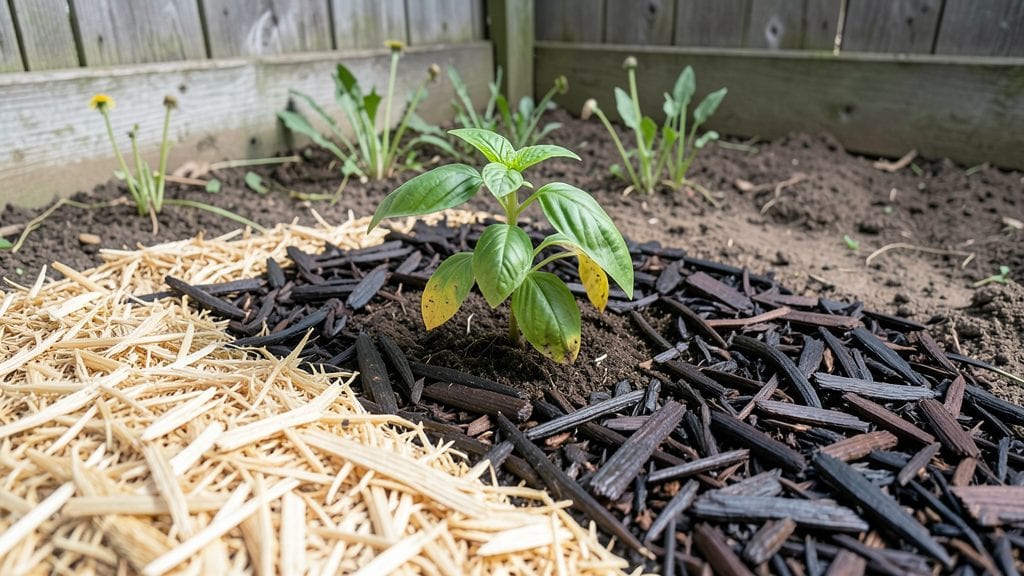
Tannins in hardwoods like oak and cedar can leach into soil, altering its pH and locking out nutrients that plants desperately need. 🌱 The real danger comes from chemically treated wood—CCA (chromated copper arsenate) and creosote are particularly toxic, lingering in soil for years.
Even "natural" cedar chips may contain high levels of phenols, which can inhibit seed germination and root development. For a healthy garden, opt for certified untreated hardwood blends or organic alternatives like straw or shredded leaves.
If you're unsure about a wood type, check for labels marked "untreated" or "kiln-dried." Pine and fir chips are generally safer, but always source them from reputable suppliers to avoid hidden chemical treatments. Layering with compost can also help neutralize any residual risks while improving soil structure over time.
💡 In This Article
- Toxic Wood Chips: Chemical Breakdown and Plant Risks
- Safe Wood Chip Alternatives for Garden Mulch
Toxic wood chips: chemical breakdown and plant risks
Here's what's actually happening when you use the wrong wood chips: certain types release compounds that disrupt soil chemistry and plant biology. Oak and cedar contain high levels of tannins—bitter, astringent compounds that can lower soil pH to below 5.0, creating acidic conditions where most garden plants struggle.
These tannins also bind with essential nutrients like nitrogen and phosphorus, effectively starving plants by making these nutrients unavailable. 🌿 The problem isn't just immediate wilting—it's long-term soil degradation that can take years to correct.
Chemically treated wood poses even greater dangers. Creosote, used to preserve railroad ties and utility poles, contains polycyclic aromatic hydrocarbons (PAHs) that can persist in soil for decades.
These compounds are known carcinogens and disrupt microbial activity by 50-70% in contaminated areas. CCA-treated wood (now banned in the U.S. for residential use but still found in older materials) releases arsenic, chromium, and copper—heavy metals that accumulate in plant tissues and can enter the food chain.
A single 10-pound bag of CCA-treated chips could leach enough arsenic to exceed EPA safety limits in 50 gallons of soil.
The science gets even more specific with cedar chips. While their natural oils repel insects (a common selling point), these same oils contain phenolic compounds that inhibit seed germination by up to 40%.
What most people don't realize is how these chemicals affect soil microbes—the tiny organisms responsible for breaking down organic matter. A 2016 University of Georgia study found that cedar mulch reduced beneficial bacterial populations by 35% while increasing harmful fungi that compete with plant roots for nutrients.
This microbial imbalance shows up as stunted growth even when other growing conditions appear ideal.
Let's compare the safe options: untreated pine or fir chips (with 1-2% tannin content) break down cleanly and improve soil structure over time. Their pH remains neutral (6.0-7.0), and they decompose into humus that enhances water retention.
The key difference lies in lignin content—pine has 28-32% lignin (which decomposes slowly) while oak contains 40-45% lignin, creating that stubborn, nutrient-locking residue.
For visual contrast, imagine pine chips as a loose, crumbly mulch that disappears in 6-12 months, versus oak chips that form a dense, almost impermeable layer that repels water and air.
Even "natural" cedar has its risks: while it resists rot better than pine, its oils can create a 2-3 inch "dead zone" at the soil surface where nothing grows. This happens because the oils create hydrophobic conditions—water beads up instead of penetrating. The solution?
Mix cedar chips with compost in a 3:1 ratio to dilute these effects while still gaining its pest-repellent benefits. For maximum safety, look for certified untreated hardwood blends labeled "mulch-grade" with less than 10% bark content—this ensures minimal tannin release while providing the structural benefits of wood fiber.
What most gardeners overlook is the time-release nature of these toxins. While creosote's effects appear immediately (wilting, yellowing leaves), tannins and heavy metals work slowly—sometimes taking 2-3 growing seasons to show visible damage.
By then, the soil's microbial community may be permanently altered, requiring years of remediation with organic matter amendments. The good news? Your garden doesn't need to suffer—simple awareness of these chemical processes lets you make informed choices that protect both your plants and your long-term gardening efforts. 🌱