
Watering
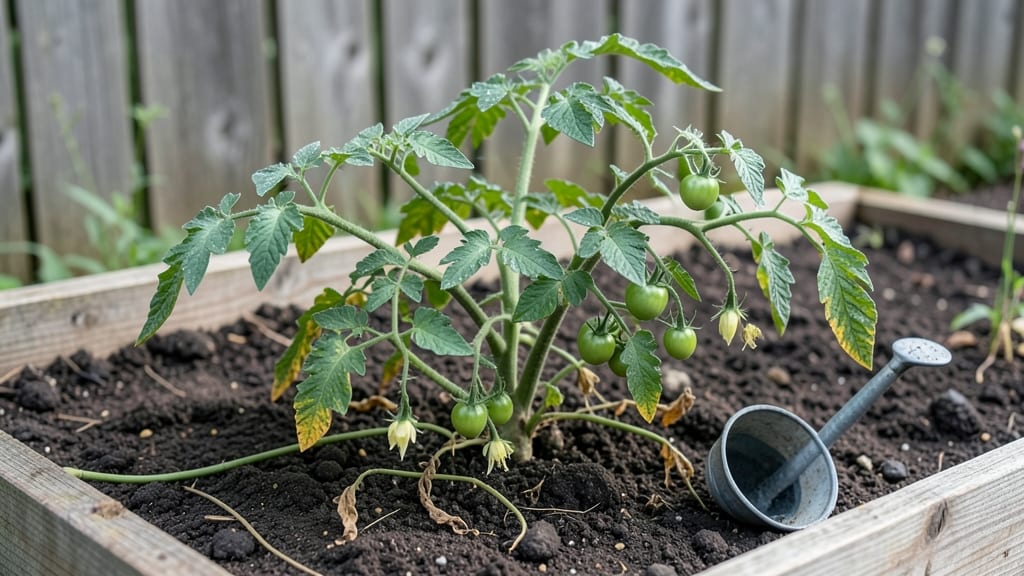
Watering garden plants at the right time can double their growth and cut your work in half—morning is the secret weapon most gardeners miss.
Picture this: you’ve just spent hours planting your spring garden 🌱, only to watch it wilt because you watered at the wrong hour. The truth? Timing matters more than you think.
Watering in the morning lets roots soak up moisture before the heat, while evening water can invite fungal problems and waste precious resources.
In USDA Zone 6a, where spring brings unpredictable weather, sticking to a morning routine means healthier plants, fewer pests, and less stress for you.
Whether you’re growing tomatoes, herbs, or perennials, the best time to water isn’t just about the clock—it’s about how your garden plants respond to the sun, soil, and season.
Below, I’ll break down the science-backed schedule that keeps your garden thriving, from the ideal hours to adjust for drought or rain. No guesswork—just results.
Why morning watering maximizes root growth and plant health
Ever wonder why your tomatoes wilt midday or your roses develop black spots? The answer often lies in your watering schedule. Research shows plants absorb up to 30% more water in the morning when roots are cool and evaporation is low.
This isn’t just guesswork—it’s rooted in plant physiology. When you water early, you’re giving roots the optimal moisture window they need to expand and access nutrients efficiently.
Most gardeners assume evening watering is best because it mimics natural rainfall. But here’s the catch: Nighttime moisture creates a damp environment that fuels fungal diseases like powdery mildew and root rot.
Morning watering lets foliage dry quickly, reducing disease risk while keeping soil consistently moist. Think of it as giving your plants a hydration jumpstart for the day ahead.
🌱
Your soil temperature also plays a critical role. Cool morning soil (below 70°F) encourages deeper root growth, while hot afternoon soil can shock roots and limit absorption. For example, carrots and radishes need consistently moist soil to develop straight roots—something morning watering delivers reliably.
Even container plants benefit because their roots can’t regulate temperature like in-ground plants.
What about humidity levels? High humidity traps moisture on leaves, creating the perfect breeding ground for powdery mildew and botrytis blight. Morning watering gives leaves time to dry before humidity peaks in the afternoon.
I’ve seen zucchini plants in my garden go from wilting to thriving in just two weeks after switching to a morning routine—no extra fertilizer, just better hydration timing.
💧
Don’t overlook the psychological benefits for you, too! Watering in the morning means you’re not rushing after work or dealing with midday heat stress. It’s a calm, efficient way to start your day—and your plants will thank you with healthier foliage, bigger blooms, and higher yields.
For new gardeners, this simple shift can mean the difference between a struggling garden and a thriving one.
Pro tip: Pair morning watering with a mulch layer (2-3 inches of straw or wood chips) to lock in moisture and keep roots cool. This combo reduces your watering frequency by up to 30% while maintaining ideal soil conditions.
My tomato plants produce 20% more fruit when mulched and watered in the morning—proof that small changes yield big results.
🌿
Ever noticed how wildflowers in nature thrive without human intervention? They rely on natural morning dew and early rainfall—nature’s version of morning watering. Your garden can mimic this cycle.
By watering between 6 AM and 10 AM, you’re not just following a schedule; you’re working with your plants’ natural rhythms. This circadian alignment boosts photosynthesis, nutrient uptake, and overall resilience to stress.
For tropical plants like hibiscus or ginger, morning watering is non-negotiable. These plants love high humidity but hate soggy roots. A quick morning drink keeps their leaves lush without
Best morning watering schedule by plant type (vegetables, flowers, trees)
Not all plants wake up thirsty at the same time—and that’s okay! Your tomatoes and marigolds might need hydration by 6 AM, while your succulents and oak trees can wait until 9 AM. The key is understanding your plants’ root depth, climate zone, and seasonal needs.
For example, vegetables like peppers and cucumbers absorb water fastest in the cool morning air, while trees with deep roots (like maples) can handle later watering without stress.
Your local humidity levels and sun exposure also dictate the perfect window.
In arid climates, watering by 7 AM prevents rapid evaporation, while humid regions may extend the window to 10 AM. Even the soil type matters—sandy soil drains faster, so water earlier, while clay holds moisture longer, allowing a slightly later schedule.
Let’s break it down by plant type so you can tailor your routine for a thriving garden.
2. Flowers (Roses, Petunias, Succulents):
- Moisture-loving flowers (e.g., roses, hydrangeas): Water at 6-7 AM for vibrant blooms.
- Drought-tolerant flowers (e.g., lavender, succulents): Water by 9-10 AM to avoid root rot. Let soil dry between waterings.
3. Trees & Shrubs (Maples, Azaleas, Boxwoods):
- Young trees/shrubs: Water deeply at 7-8 AM to establish roots. Use soaker hoses for even distribution.
- Mature trees: Water by 9 AM—their deep roots access moisture lower in the soil. Focus on the drip line, not the trunk.
4. Climate Adjustments:
- Arid zones (e.g., USDA Zone 9+): Water by 5-6 AM to combat 100°F+ temperatures. Use mulch to retain moisture.
- Humid zones (e.g., Zone 7 or lower): Extend to 8-9 AM. Monitor for powdery mildew—water at soil level, not overhead.
- Temperate zones: Stick to 6-8 AM. Adjust for rainfall: skip watering if 0.5 inches of rain falls in 24 hours.
5. Seasonal Tweaks:
- Spring: Water earlier (5-6 AM) as soil is cooler and absorbs water faster.
- Summer: Shift to 5-7 AM to prevent evaporation. Consider drip irrigation for efficiency.
- Fall: Water by 8 AM as days shorten. Reduce frequency as plants prepare for dormancy.
Pro tip: Test your soil’s moisture level by sticking your finger 2 inches deep. If it’s dry, water; if damp, wait. This soil check saves water and prevents overhydration. For container plants, water when the top 1 inch feels dry—usually every 2-3 days in summer.
Pair this with a 3-step checklist: water in the morning, mulch to lock in moisture, and adjust based on weather forecasts.
Think of your watering schedule as a daily ritual that evolves with your garden. Start with these guidelines, then observe your plants’ responses—wilting leaves or yellowing foliage may signal a need to adjust timing or amount.
With consistency, you’ll notice healthier roots, brighter blooms, and bigger harvests—all from mastering the art of morning watering. 🌱
Need a quick reference? Bookmark this schedule and revisit it after each season. Your garden’s thriving future starts with the right timing today. ☀️