
Tools
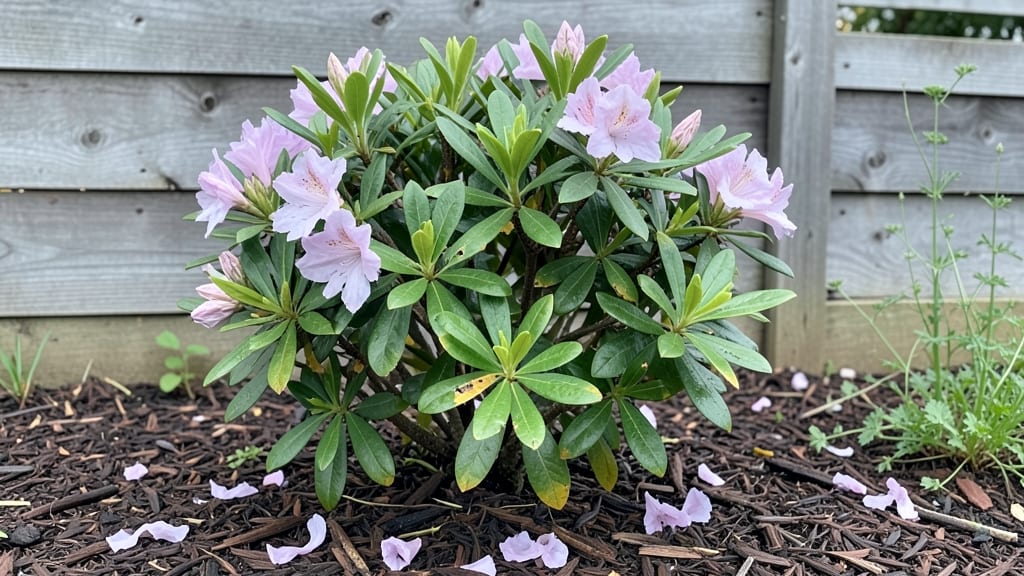
Gardening in Vancouver, WA connects you to top local spots offering native plants, expert advice, and premium tools for all skill levels. The Garden Spot specializes in Pacific Northwest flora, while Vancouver Farmers Market delivers seasonal blooms and organic produce.
Vancouver's mild climate and lush landscapes make it a gardener's paradise, but choosing the right plant source matters. 🌿 The Garden Spot stands out for its curated selection of native species like rhododendrons and salal, which thrive in the region's acidic soils.
Meanwhile, the Farmers Market offers a rotating selection of seasonal flowers and heirloom vegetables—perfect for those who want variety without long-term commitments. Whether you're restoring a native meadow or planning a vegetable patch, these spots provide exactly what Vancouver's gardeners need.
For beginners, I recommend starting with the Farmers Market to sample different plants before investing in larger pots. Seasoned gardeners often prefer The Garden Spot for its soil-testing services and workshops on Pacific Northwest landscaping techniques.
Both locations also stock quality tools, from pruners to compost bins, ensuring you're equipped for every project.
💡 In This Article
- Best Local Nurseries for Native Pacific Northwest Plants
- How to Choose the Right Garden Center for Your Needs
Best local nurseries for native Pacific Northwest plants
Vancouver's climate—characterized by mild winters (rarely dropping below 30°F) and wet springs (12-15 inches of rainfall)—creates ideal conditions for native plants that have evolved to thrive in these conditions.
Species like rhododendrons and salal develop deep root systems to access moisture during the rainy season, while sword ferns flourish in the shaded, humid microclimates common in the region. This natural adaptation means these plants require less watering and maintenance once established, making them perfect for local gardeners.
The key to their success lies in the soil's acidic pH (typically 5.0-6.5), which mirrors the natural forest floors where these plants originally grew. For example, rhododendrons need soil with a pH between 4.5 and 6.0 to absorb essential nutrients like iron and manganese.
Nurseries specializing in these plants often provide soil amendments like pine bark fines or peat moss to replicate these conditions. At The Garden Spot, you'll find these plants already potted in custom blends designed for the Pacific Northwest.
What sets Vancouver's nurseries apart is their focus on region-specific hardiness. Unlike imported plants that may struggle with the area's cool, damp summers or occasional frost, native species like Oregon grape and vine maple have developed natural resistance to local pests and diseases.
This means fewer pesticides and more resilient landscapes. The nurseries often highlight these benefits through plant care cards that include specific sunlight requirements and watering schedules tailored to Vancouver's microclimates.
For gardeners looking to create wildlife-friendly spaces, nurseries like The Garden Spot offer pollinator-friendly bundles featuring native flowers that bloom at different times. For instance, salal provides year-round cover for birds, while western red cedar offers shelter for small mammals.
The staff can help design layouts that maximize these ecological benefits, ensuring your garden supports local biodiversity while requiring minimal upkeep.
One standout feature at these nurseries is their soil-testing services, which analyze your yard's pH and nutrient levels before recommending amendments. For example, if your soil tests show a pH of 7.0 (too alkaline for rhododendrons), they might suggest adding elemental sulfur to lower it gradually.
This precision approach saves gardeners time and money by preventing common issues like chlorosis (yellowing leaves) that occur when plants can't access essential nutrients.
Beyond the plants themselves, these nurseries offer workshops on Pacific Northwest gardening techniques, such as how to layer plants for seasonal interest or create rain gardens that manage stormwater runoff.
The hands-on approach ensures you leave with practical knowledge—like how to mulch with cedar chips to retain moisture and suppress weeds—rather than just a bag of plants. 💫