
Tools
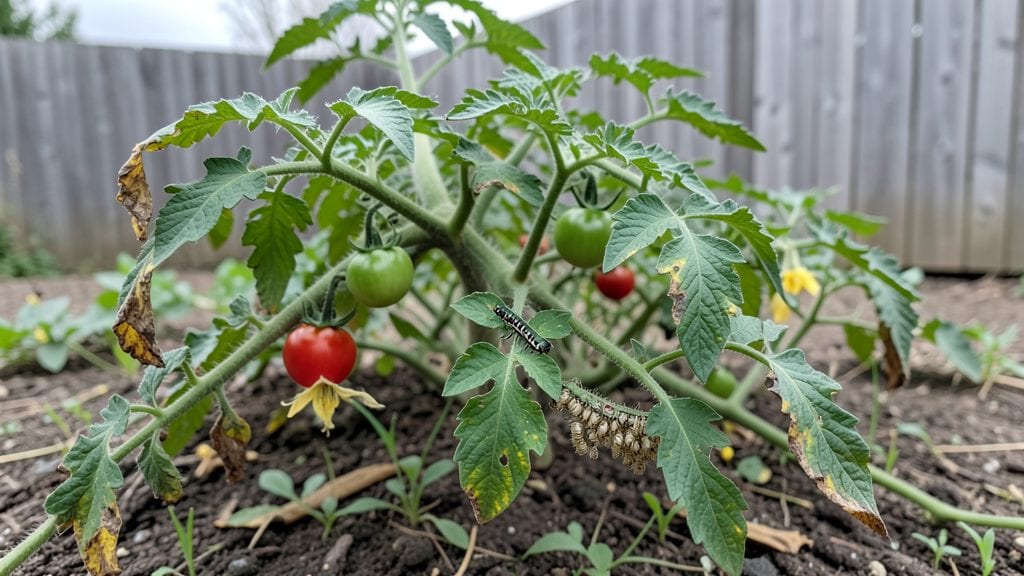
The most common garden tomato problems—like blossoms dropping mid-air—can be fixed faster than you’d think, and last summer’s heartbreak taught me exactly how. got the answers to stop it before it starts.
Blossom drop usually means one of three things: inconsistent watering, temperature swings, or a nutrient imbalance. Cracked fruit? That’s a classic sign of uneven moisture—too much water one day, none the next.
The good news is these problems have simple, fast solutions, and I’ll show you exactly how to spot them early.
You’ll end up with plump, unblemished tomatoes that stay on the vine until they’re perfectly ripe. No more wasted energy or sad little blossoms falling to the ground. The key is consistency—water, fertilizer, and shade—all timed just right.
Works for home gardeners in any climate, from hot Southern summers to cooler Northern seasons. Let’s get those tomatoes thriving again—no more wasted blossoms or cracked surprises.
Root Causes Behind Tomato Troubles
When your garden tomatoes start acting up—whether they’re dropping blossoms before fruiting or splitting open like overripe melons—it’s usually a sign that something fundamental is off. Understanding why these issues occur is the first step to fixing them.
Below, we break down the science behind the most common tomato problems, so you can diagnose and address them with confidence.
Tomatoes are warm-weather plants, and they thrive in consistent temperatures between 70–85°F (21–29°C). When conditions swing too far outside this range—especially during blossom set—your plants may drop flowers or produce malformed fruit.
- Cold Snaps: Temperatures below 55°F (13°C) can stunt pollen development, leading to blossom drop. If nights dip too low, the plant conserves energy by aborting potential fruit.
- Heat Stress: While tomatoes love warmth, sudden spikes above 90°F (32°C) can cause pollination failure. High heat weakens pollen tubes, preventing fertilization. This is why you might see blossoms fall without setting fruit.
- Day-Night Swings: A 10°F+ (5.5°C+) difference between day and night temperatures stresses the plant, disrupting hormone balance and leading to fruit cracking or poor development.
Pro Tip: 🌡️ Use row covers for early-season protection or shade cloth during heatwaves. If nights are chilly, consider black plastic mulch to retain soil warmth.
Tomatoes are 95% water by weight, and inconsistent watering is a leading cause of both blossom drop and cracked fruit. The problem? Too much or too little water throws off the plant’s hormonal signals and physical structure.
- Drought Stress: When soil dries out, the plant prioritizes keeping existing leaves alive over developing fruit. This triggers abscisic acid (a stress hormone) that causes blossoms to drop. Even a single day of wilting can lead to 20–50% blossom loss.
- Overwatering: While tomatoes need steady moisture, poor drainage or excessive watering can dilute nutrients and cause blossom end rot (a calcium deficiency symptom). It also leads to fruit splitting because rapid water uptake makes cells expand unevenly.
- Inconsistent Watering: Fluctuating moisture levels confuse the plant’s growth hormones. For example, a dry spell followed by a heavy watering can cause vertical cracks in the fruit as it swells too quickly.
Pro Tip: 💧 Water deeply 1–2 times per week (1–1.5 inches per week) rather than daily shallow watering. Use drip irrigation or soaker hoses to keep moisture consistent. For cracked fruit, mulch heavily to prevent soil temperature swings.
Tomatoes are heavy feeders, and even minor nutrient deficiencies can derail fruit development. The most critical issues involve calcium, nitrogen, and potassium, each playing a unique role in plant health.
| Nutrient | Deficiency Signs | Why It Causes Problems |
|---|---|---|
| Calcium (Ca) | Blossom end rot (dark, sunken spots), weak cell walls | Calcium is immobile in plants—once leaves take it up, it doesn’t redistribute. If roots can’t absorb enough (due to dry soil or high phosphorus), new growth suffers. |
| Nitrogen (N) | Yellowing lower leaves, stunted growth, excessive blossom drop | Nitrogen fuels leafy growth, but too little starves the plant, causing it to drop flowers to conserve energy. Too much (especially late in the season) leads to luxuriant growth with weak stems and poor fruit set. |
| Potassium (K) | Weak stems, poor disease resistance, fruit that’s small or deformed | Potassium regulates enzyme activity and water balance. A deficiency weakens the plant’s ability to transport nutrients and water, leading to blossom drop and fruit cracking. |
Pro Tip: 🌱 Conduct a soil test before planting. If calcium is lacking, apply crushed eggshells or gypsum (not lime—it raises pH too much). For nitrogen, use a balanced fertilizer (10-10-10) at planting, then switch to a low-nitrogen, high-potassium (5-10-10) feed when flowers appear.
While pests and diseases don’t directly cause blossom drop or cracking, they stress the plant enough to trigger these problems indirectly. For example, aphids or whiteflies sap nutrients, while fungal infections (like early blight) block photosynthesis.
- Sap-Sucking Pests: Aphids, spider mites, and whiteflies inject toxins and steal sap, weakening the plant’s ability to support fruit. This leads to premature blossom drop as the plant shifts energy to recovery.
- Fungal Diseases: Early blight (Alternaria solani) and septoria leaf spot create lesions that reduce the plant’s photosynthetic surface. With less energy, the tomato may abort flowers or produce small, cracked fruit.
- Root Damage: Nematodes or root rot (Phytophthora) disrupt water and nutrient uptake. The plant then prioritizes root repair over fruit development, causing blossom drop.
Pro Tip: 🛡️ Monitor plants weekly for pests. Use neem oil or insecticidal soap for aphids, and copper fungicides for early blight. Crop rotation and resistant varieties (like ‘Mountain Merit’ or ‘Celebrity’) can prevent recurring issues.
Even with perfect growing conditions, tomatoes can fail to set fruit if pollination breaks down or the variety is prone to certain issues.
- Lack of Pollinators: Tomatoes rely on wind or bees to transfer pollen. In enclosed spaces (like greenhouses) or during hot, still days, pollen may not reach the stigma, leading to blossom drop.
- Self-Pollination Failure: Some heirloom varieties are less efficient at self-pollination, especially in high humidity or when grown in containers.
- Genetic Predisposition: Certain varieties (like cherry tomatoes) are more prone to cracking due to thin skin. Others
Fixing Common Garden Tomato Issues
Now that you know the root causes behind your tomato troubles—whether it’s blossom drop, cracked fruit, or other pesky problems—it’s time to roll up your sleeves and get growing!
Below are practical, step-by-step solutions tailored to each issue, plus prevention tips to keep your tomato plants thriving season after season.
If your tomato flowers are dropping off before fruiting, it’s often due to environmental stress or nutritional imbalances. Here’s how to turn things around:
🔥 Adjust Watering for Stability
- Problem: Fluctuating moisture levels cause stress, leading to blossom drop.
- Fix:
- Water deeply and consistently (1–1.5 inches per week), especially during dry spells.
- Avoid overhead watering—use drip irrigation or soaker hoses to keep soil evenly moist.
- Morning watering is best—it prevents evening dampness that can invite disease.
🍳 Balance Fertilizer for Strong Growth
- Problem: Too much nitrogen = lush leaves, but no fruit.
Too little = weak plants. - Fix: - Switch to a balanced fertilizer (e.g., 5-10-10 or 10-10-10) once flowers appear. - Avoid high-nitrogen feeds (like lawn fertilizer) during fruiting stages. - Organic boost: Mix in compost or worm castings for steady nutrients.
🌡️ Stabilize Temperatures
- Problem: Extreme heat or cold shocks can cause blossoms to abort.
- Fix:
- Shade cloth (30–50%) can protect plants during heatwaves (above 90°F/32°C).
- Row covers or cloches (mini greenhouses) can shield young plants from frost.
- Mulch heavily (straw or grass clippings) to regulate soil temps.
✨ Prevention Tips for Next Season
- Choose heat-tolerant varieties like ‘Heatmaster’ or ‘Solar Fire’ for hot climates.
- Start plants indoors 6–8 weeks before the last frost to avoid transplant shock.
- Pollinate by hand (gently shake plants or use a small brush) if bees are scarce.
Cracked tomatoes aren’t just unsightly—they’re prone to rot and pests. Here’s how to prevent and fix them:
💡 Control Watering Like a Pro
- Problem: Uneven watering causes cells to expand too fast, leading to splits.
- Fix:
- Water consistently—aim for 1 inch per week, more in extreme heat.
- Mulch thickly (3–4 inches of straw or wood chips) to reduce evaporation.
- Avoid late-season watering—soil should be moist but not soggy.
🌡️ Manage Soil Moisture Smartly
- Problem: Heavy rain or irrigation after a dry spell triggers cracking.
- Fix:
- Use drip irrigation on a timer to maintain steady moisture.
- Raise beds slightly (if in clay soil) to improve drainage.
- Harvest early if cracks appear—smaller tomatoes are less prone to splitting.
🎯 Pick the Right Varieties
- Problem: Some tomatoes (like beefsteaks) crack more easily than others.
- Fix:
- Opt for disease-resistant, crack-resistant varieties like ‘Celebrity’ or ‘Mountain Merit.’
🔥 Emergency Fix for Already Cracked Tomatoes
- Slice and use immediately in sauces, salsas, or smoothies—cracks don’t affect taste!
- Freeze whole for later use (they’ll soften but retain flavor).
| Problem | Cause | Solution |
|---|---|---|
| Yellow Leaves | Nitrogen deficiency or overwatering | Add compost or a balanced fertilizer; check drainage. |
| Blossom End Rot | Calcium deficiency | Side-dress with crushed eggshells or use a calcium nitrate spray. |
| Pests (Aphids, Hornworms) | Overcrowding or weak plants | Handpick pests; use neem oil or row covers for prevention. |
| Stunted Growth | Poor soil or transplant shock | Loosen roots if recently planted; amend soil with kelp meal for micronutrients. |
- Rotate crops yearly to prevent soil-borne diseases.
- Prune suckers (side shoots) to improve airflow and fruit production.
- Monitor weather forecasts—sudden heat or cold can trigger stress.
- Harvest regularly—overripe tomatoes on the vine attract pests and diseases.
With these fixes, your tomato plants should bounce back stronger—and you’ll be feasting on plump, crack-free, homegrown tomatoes in no time! 🍅✨
Frequently asked questions
Why do my tomato blossoms keep dropping before fruit forms?
Blossom drop usually happens due to temperature swings (below 55°F or above 90°F), inconsistent watering, or nutrient imbalances. Tomatoes need stable conditions—especially during flowering. Use shade cloth for heatwaves and mulch to regulate soil temps.
How can I prevent my tomatoes from cracking?
Cracked tomatoes result from uneven watering—too much after a dry spell causes rapid cell expansion. Water consistently (1 inch per week) and mulch heavily (3-4 inches). Harvest early if cracks appear, or choose crack-resistant varieties like ‘Celebrity’.
What causes dark spots at the blossom end of my tomatoes?
This is blossom end rot, caused by calcium deficiency (often from inconsistent watering or poor soil drainage). Side-dress with crushed eggshells or use a calcium nitrate spray. Keep soil evenly moist—never let it dry out completely.
Are there tomato varieties less prone to common problems?
Yes! Disease-resistant varieties like ‘Mountain Merit’ or ‘Heatmaster’ handle heat and pests better. For cracking, try ‘Celebrity’ or ‘Better Boy’. Always check seed packets for problem-specific resistance ratings before planting.
Can I save tomatoes that are already cracked?
Use cracked tomatoes immediately in sauces, soups, or smoothies—they’re perfectly safe to eat. For storage, freeze whole or slice them. The cracks don’t affect flavor or nutrition.