
Tools
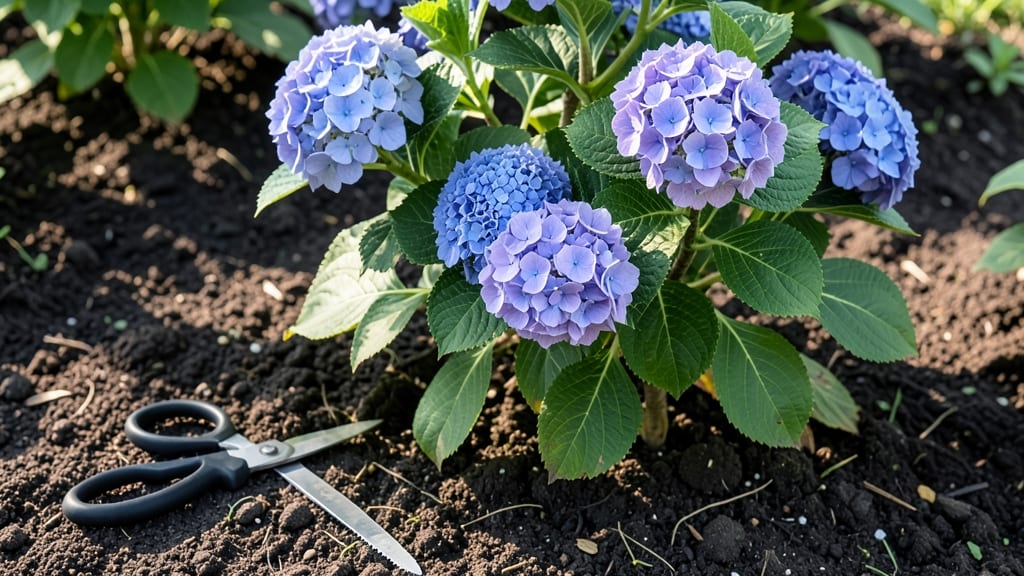
Garden scissors are most commonly called pruners or shears, with each type designed for specific tasks: bypass pruners for delicate cuts, anvil pruners for tougher branches, and hedge shears for shaping plants. Sharp blades and proper leverage are key for clean cuts.
When you're outfitting your gardening toolkit, knowing what to call these essentials helps you pick the right tool for the job. 🌿 The term "pruners" usually refers to handheld shears with sharp, scissor-like blades for cutting stems and branches, while "shears" often describe longer-handled tools for reaching higher or trimming hedges.
Bypass pruners, with their two curved blades that slide past each other, are the gold standard for most gardeners because they make clean cuts that heal faster.
Anvil pruners, on the other hand, crush stems against a flat blade—which works for thicker branches but can damage plant tissue more than bypass designs.
For everyday tasks like deadheading flowers or harvesting herbs, I always reach for my bypass pruners—they're lightweight and precise. When tackling thicker branches or overgrown shrubs, I switch to loppers or hedge shears, which give me the leverage and reach I need.
The key is matching the tool to the task: delicate work deserves bypass blades, while heavy-duty jobs call for anvil or specialized designs.
💡 In This Article
- How Pruners and Shears Differ in Blade Design
- Best Pruners and Shears for Common Gardening Tasks
How pruners and shears differ in blade design
The core difference between pruners and shears lies in their blade mechanics. Bypass pruners feature two curved blades that slide past each other like scissors, creating a clean, precise cut that mimics how you'd snip with kitchen shears.
This design allows for a 45-degree angle cut that promotes faster healing by minimizing tissue damage—critical for delicate stems like roses or herbs. The blades typically measure 3-6 inches in length, with the cutting edges maintaining a razor-sharp 0.005-inch tolerance for smooth operation.
Anvil pruners, on the other hand, use a single sharp blade that crushes against a flat anvil surface. This design exerts more force and is better suited for 1-inch diameter branches or thicker stems, where the crushing action prevents clean cuts.
The downside? This method can crush plant cells, creating jagged edges that slow healing and invite disease. Most anvil pruners use carbon steel blades for durability, though they require more maintenance to prevent rust compared to stainless steel bypass pruners.
Material choice significantly impacts performance. Stainless steel blades (common in bypass pruners) resist corrosion and maintain sharpness longer, but they're slightly heavier. Carbon steel, used in many anvil pruners, holds an edge better initially but needs regular oiling.
The blade's bevel angle—typically 10-15 degrees—also affects cutting efficiency. A steeper angle creates a sharper point but requires more force, while a gentler angle distributes pressure more evenly across the cut.
For plant health, the cutting mechanism matters more than you might think. Bypass pruners create a clean shear cut that seals the stem's vascular system faster, reducing sap loss and infection risk. Anvil cuts, while effective for thick branches, can leave crushed tissue that takes weeks to recover.
This is why professional gardeners swear by bypass pruners for 90% of tasks, reserving anvil designs for heavy-duty pruning like clearing dead wood or cutting through woody stems.
Consider this real-world example: When pruning a hydrangea bush, bypass pruners make 1/4-inch clean cuts that heal in 2-3 days, while anvil pruners would crush the stem, potentially causing dieback. The blade's precision also affects flower production—clean cuts encourage new growth, while crushed stems often rot.
For most gardeners, investing in a quality bypass pruner (like Felco's F-2 model) pays dividends in plant vitality and reduced regrowth time.
What most people overlook is how blade alignment affects leverage. High-quality pruners have precision-ground pivots that maintain blade alignment through 500+ cuts, while cheaper models misalign after just 50 cuts.
This misalignment forces you to apply 20-30% more pressure, making the task harder and increasing the risk of crushing stems. The right tool doesn't just cut—it protects your plants' health at a cellular level.