
Planting
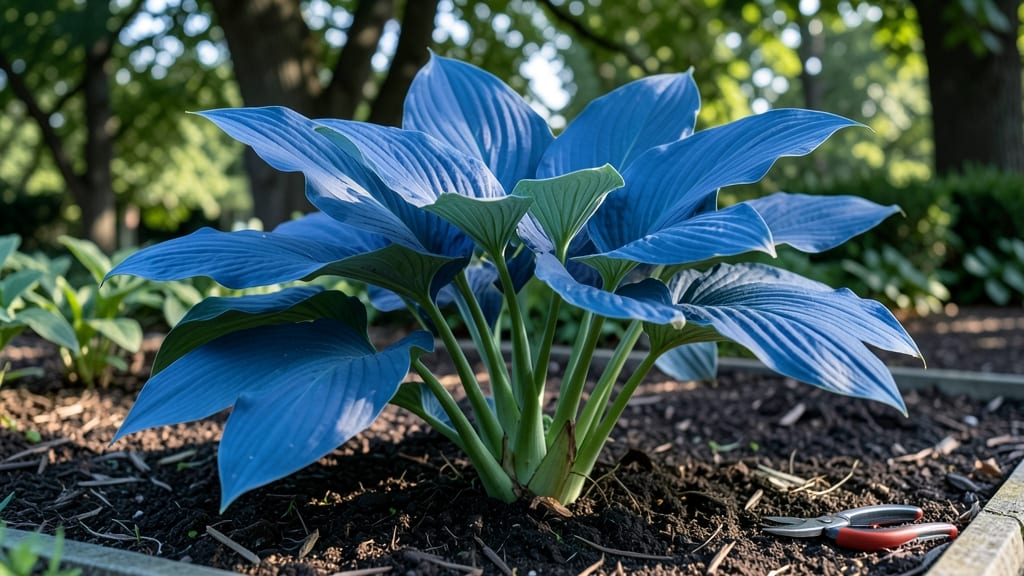
Mastering garden plant identification turns every leafy mystery in your yard into a puzzle—except the stakes are higher when you don’t know if it’s a wildflower, a weed, or something edible. 🌿 I’ve spent years pulling up "weeds" that turned out to be native milkweed (critical for monarch butterflies) or misidentifying dandelions as poisonous lookalikes.
The difference between a thriving garden and a frustrating one often comes down to knowing what you’re really growing.
The good news? You don’t need a botany degree—just a few key details like leaf shape, flower structure, and growth habit.
I’ll show you how to spot the telltale signs: lobed leaves that mean clover (good for soil), jagged edges that scream poison ivy (bad for skin), or fuzzy stems that reveal milkweed (great for pollinators).
Apps like PlantNet or iNaturalist let you snap a photo for instant answers, but I’ll also teach you the field-tested tricks that work without Wi-Fi.
Once you’ve identified your plant, the real magic happens—whether it’s pulling the real weeds, protecting the wildflowers, or finally knowing how to care for that mysterious bush with purple blooms. You’ll avoid toxic lookalikes, save money on mislabeled nursery plants, and even discover hidden gems growing right under your nose.
Let’s turn your garden from a guessing game into a confident green space.
This guide works for any yard, from city balconies to country fields, and covers everything from common lawn weeds to showy ornamentals. By the end, you’ll spot the difference between a dandelion and a wild carrot at a glance—and know whether to pull it, admire it, or harvest it.
Ready to decode your garden’s secrets?
What Triggers Confusion in Gardens
Mistaking weeds for wildflowers—or vice versa—isn’t just a beginner’s blunder. Even seasoned gardeners can get tripped up by similar leaf shapes, flower structures, or growth habits.
Understanding the root causes of these mix-ups helps you sharpen your eye and avoid costly gardening mistakes. Let’s break down the science and scenarios behind the confusion.
Many plants share convergent evolution—where unrelated species develop similar features to thrive in the same environment. For example: - Leaf Shape: Dandelions (Taraxacum officinale) and coltsfoot (Tussilago farfara) both have deeply lobed, basal leaves that can look identical at a glance.
Their toothed edges and rosette growth patterns make them nearly indistinguishable until they flower. - Flower Structure: Black-eyed Susan (Rudbeckia hirta) and oxeye daisy (Leucanthemum vulgare) both sport bright yellow petals with dark centers.
However, daisies have white ray florets, while black-eyed Susans have yellow ones—a detail often missed in a quick scan. - Growth Habits: Creeping Charlie (Glechoma hederacea), a weed, and creeping thyme (Thymus serpyllum), a ground cover, both spread via runners and small purple flowers.
The key difference? Thyme has aromatic leaves, while Charlie emits a musty smell when crushed.
💡 Pro Tip: Use a hand lens (10x magnification) to inspect flower structures, leaf venation, and stem textures. Many weeds and wildflowers reveal critical differences under closer scrutiny.
Plants adapt to their surroundings, and some weeds exploit wildflower habitats to go unnoticed. Here’s how: - Timing: Some weeds, like henbit (Lamium amplexicaule), bloom in early spring—right when wildflowers like phlox (Phlox subulata) are just waking up.
Their purple-pink flowers and square stems can fool gardeners into thinking they’re planting native ground covers. - Light Conditions: Shady spots in gardens favor weeds like garlic mustard (Alliaria petiolata), which mimics the lobed leaves of wild ginger (Asarum canadense).
In low light, both plants develop broader, darker foliage, blurring the lines. - Soil Preferences: Wildflowers like coreopsis (Coreopsis spp.) thrive in well-drained soil, but so does horseweed (Conyza canadensis).
Both produce yellow daisy-like blooms, but horseweed spreads aggressively via wind-dispersed seeds, while coreopsis is clump-forming.
🌡️ Actionable Fix: Take monthly photos of your garden patches. Compare them side by side to spot subtle changes in leaf arrangement, flower timing, or stem thickness that give away impostors.
Even with a keen eye, lack of botanical training can lead to errors. Common pitfalls include: - Relying on Color Alone: Many weeds and wildflowers share hues—purslane (Portulaca oleracea) (a weed) and portulaca (Portulaca grandiflora) (a wildflower) both have succulent stems and red/pink blooms.
The difference? Purslane is prostrate and edible; portulaca grows upright and is ornamental. - Ignoring Root Systems: Some weeds, like bindweed (Convolvulus arvensis), send deep, invasive roots that mimic the tuberous roots of wild yams (Dioscorea spp.).
Digging up a small section can reveal whether a plant is a harmless wildflower or a tenacious invader. - Overgeneralizing "Native" Status: Not all native plants are wildflowers—and some "wildflowers" are actually naturalized weeds.
For example, Japanese knotweed (Reynoutria japonica) is native to Asia but spreads aggressively in North American gardens, often mistaken for ornamental bamboo.
🎯 Expert Hack: Use a botanical field guide app (like iNaturalist or PlantNet) to cross-reference your observations. Apps often include flower diagrams and leaf vein patterns that text descriptions can’t convey.
Our brains are wired to see what we expect. Gardeners often: - Assume "Pretty = Wildflower": Plants like lamb’s quarters (Chenopodium album) produce edible greens but are classified as weeds.
Their maple-like leaves and red stems can resemble young wild carrot (Daucus carota). - Dismiss "Ugly" Plants as Weeds: Some wildflowers, like skunk cabbage (Symplocarpus foetidus), have foul-smelling blooms but are ecologically vital.
Their waxy, purple-spotted leaves might be mistaken for invasive swamp loosestrife (Lysimachia quadrifolia). - Follow Visual Shortcuts: Round leaves = clover?
Not always. White clover (Trifolium repens) has trifoliate leaves, but so does black medic (Medicago lupulina), a weed with yellow flowers and spiky seed pods.
✨ Mindset Shift: Treat every plant as a "mystery" until proven otherwise. Carry a small notebook to jot down:
- Leaf arrangement (alternate vs. opposite)
- Stem texture (hairy vs. smooth)
- Flower symmetry (radial vs. bilateral)
By recognizing these patterns—whether biological, environmental, or psychological—you’ll start spotting the subtle clues that separate weeds from wildflowers. The next step? Putting that knowledge into action with a visual guide to common look-alikes.
Quick fixes for plant confusion
Mistakenly pulling the wrong plant—or worse, mistaking a wildflower for a weed—can leave your garden looking patchy (or worse, weedier). But with the right tools and a little know-how, you can turn plant ID from a guessing game into a confident skill.
Here’s how to solve common garden plant confusion with practical, step-by-step fixes.
Problem: Your garden looks like a botanical mystery, and you’re not sure what to do next. Fix: Start with a visual cheat sheet and a plant ID app (like PlantNet or PictureThis). Snap a photo of the plant in question, then cross-reference it with a trusted guide. Pro tip: 💡 Take photos at different angles—leaf shape, flower structure, and growth pattern matter more than you think!
Prevention:
- Label new plants with stakes or tags right after planting.
- Group similar plants together in your garden beds to reduce mix-ups.
Problem: You’re yanking out dandelions or clover, only to realize later they’re pollinator magnets or nitrogen-fixers. Fix: Before pulling, pause and research. Use a field guide (like The New Sunset Western Garden Book) or consult local gardening forums. If you’re unsure, leave a small patch to observe—you might be surprised by what’s helping your garden!
Prevention:
- Learn the "good guys" in your region (e.g., clover, yarrow, or milkweed).
- Keep a garden journal to track which "weeds" actually support your ecosystem.
Problem: You sprayed or trimmed too aggressively, only to realize you hit a prized plant. Fix:
- Identify the damage—is it chemical burn, root damage, or just a misplaced snip? 🔥
- For chemical burns: Rinse the area with water immediately and monitor for recovery.
- For over-pruning: Trim back carefully to healthy growth and fertilize lightly to encourage regrowth.
- For accidental herbicide: If it’s a broadleaf killer, cover nearby plants next time with cardboard or mulch.
Prevention:
- Spot-test herbicides in a small, inconspicuous area first.
- Use a string or spray shield when treating edges near desirable plants.
Problem: Your plant ID app suggests it’s a rare orchid—but your garden is full of common chickweed. Fix: Triple-check with a physical guide or expert. Apps can misidentify, especially with young plants or hybrids. When in doubt, post to local gardening groups (Facebook, Reddit, or Nextdoor) with photos for a second opinion.
Prevention:
- Compare multiple sources—don’t rely on just one app.
- Note key features (leaf veins, stem hairiness, flower symmetry) to verify yourself.
Problem: You’re thrilled to find a pretty purple bloom—until you realize it’s Himalayan blackberry or kudzu, both notorious invaders. Fix: 1. Research invasives in your region (check the USDA PLANTS Database).
- Pull by hand (if small) or dig deeply to remove roots.
- Replace with native alternatives—e.g., swap butterfly bush (invasive) for native milkweed (safe for monarchs).
Prevention:
- Plant only natives or certified non-invasive species.
- Remove seed heads before they spread.
Problem: You’re still guessing after trying the above fixes. Fix: Create a personal plant ID binder with:
- Clear photos of your garden’s flora (labeled by you!).
- Pressed leaves in a herbarium-style notebook for reference.
- A "cheat sheet" of common look-alikes in your area (e.g., lamb’s ear vs. henbit).
Prevention:
- Host a "plant ID day"—invite neighbors to help label your garden together.
- Join a local botanical society for guided walks and expert tips.
Final Pro Tip: 🎯 When in doubt, wait. Some plants (like winter alyssum) only reveal their true identity in bloom. Patience—and a little detective work—will make you the garden’s ID pro!
Frequently asked questions
What are the easiest ways to identify plants in my garden?
Start with the basics: leaf shape, flower structure, and growth habit. Use a hand lens (10x magnification) to examine leaf veins, stem hairiness, and flower symmetry. Apps like PlantNet or iNaturalist let you snap photos for instant matches, but always cross-check with a physical field guide for accuracy.
How do I tell the difference between a weed and a wildflower?
Weeds often have aggressive growth habits (like spreading runners or self-seeding) while wildflowers typically grow in clumps. Check for edible uses, pollinator benefits, or native status—if it supports your garden ecosystem, it’s likely a wildflower. For example, clover fixes nitrogen in soil, while creeping Charlie smothers other plants.
Can I use plant ID apps without internet access?
Yes! Download offline databases like iNaturalist or PictureThis ahead of time. For no-tech options, carry a printed field guide (like The New Sunset Western Garden Book) and a small notebook to sketch key features—leaf arrangement, flower color, and stem texture.
What should I do if I accidentally pull a wildflower?
Don’t panic! Replace it with a native alternative (e.g., swap pulled milkweed with more seeds). If you’re unsure, leave a small patch to observe—many "weeds" are beneficial. For rare species, check with local conservation groups before removing anything.
Are there toxic lookalikes I should watch for?
Poison ivy mimics Virginia creeper (three shiny leaves vs. three toothed leaves), and deadly nightshade resembles wild cherries. Always check for berry color, leaf arrangement, and stem texture. When in doubt, wear gloves and research before touching.