
Trees
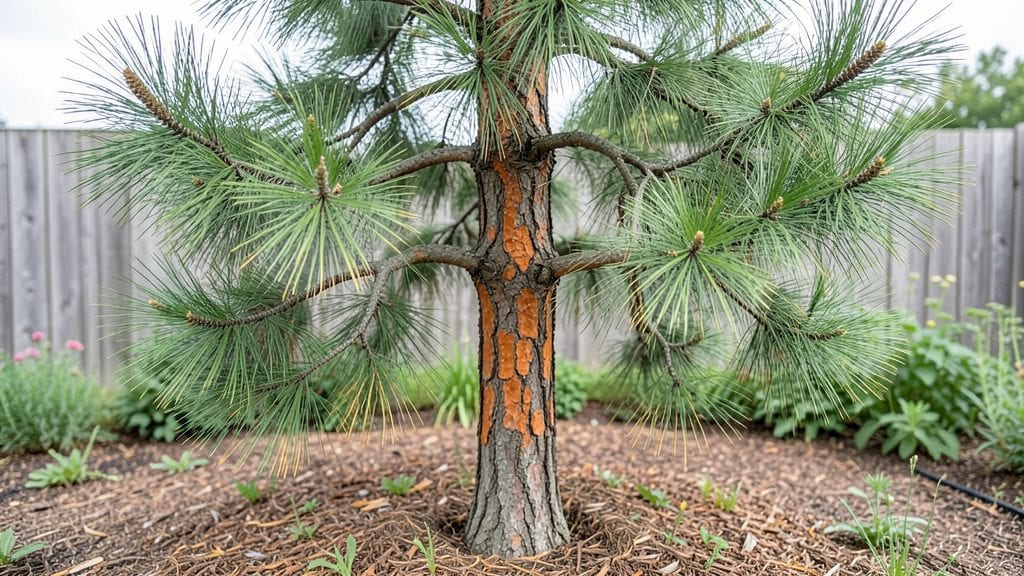
Planting pine trees in your garden isn’t just about adding height—it’s about creating a living windbreak that works year-round. 🌲 I learned the hard way that coastal gardens need more than just pretty plants; they need resilience against salty winds and sandy soil.
The right pine varieties can handle both while adding that pine-scented freshness that makes a garden feel like a retreat.
These trees aren’t just functional—they’re stunning. Their needle-draped branches sway in the breeze, creating movement that softens any landscape. For coastal gardens, salt-tolerant varieties like Pinus elliottii or Pinus pinea thrive where others struggle.
Pair them with drought-resistant shrubs like rosemary or lavender, and you’ve got a low-maintenance, evergreen masterpiece that never goes out of style.
You’ll love how they transform your space—privacy without fences, shade without sacrificing light, and that timeless forest aroma. Plus, they attract birds and provide shelter for smaller plants. The best part? Once established, they need almost no care beyond occasional pruning to shape them just right.
Whether you’re lining a driveway, framing a patio, or creating a woodland-themed corner, pines deliver structure and serenity in any design. Let’s talk spacing, soil prep, and the best companion plants to make your pine trees the star of the show.
📚 In This Guide
- What you need
- Instructions
- Tips and common mistakes
- Wrapping up and next steps
What you need
- ● Pine tree seedlings or saplings: 1–3 trees (depending on desired windbreak width; spacing 6–10 ft apart for mature growth).
- ● Species like Pinus contorta (lodgepole pine) or Pinus elliottii (slash pine) for coastal resilience.
- ● Well-draining soil: Mix of native soil + 25% organic matter (compost or peat moss).
- ● Mulch: 2–3 inches of pine bark or wood chips (keep 6 inches away from tree trunk).
- ● Watering supplies: Hose with adjustable nozzle or drip irrigation system.
- ● 5-gallon watering can (for young seedlings).
- ● Fertilizer: Slow-release, acid-loving tree fertilizer (e.g., 10-10-10 or pine-specific blend).
- ○ Stakes & ties (optional but recommended): 4–6 ft bamboo stakes + soft tree ties for young saplings.
- ● Hand tools: Trowel or spade (for digging holes).
- ● Pruning shears (sterilized with rubbing alcohol).
- ● Garden gloves (to protect from sap and sharp bark).
- ● Measuring tape: To ensure proper spacing (6–10 ft between trees).
- ● Soil pH test kit: Confirm acidic soil (pH 5.0–6.5; adjust with sulfur if needed).
- ○ Windbreak planning tools (optional): String & stakes to mark planting lines.
- ● Graph paper or app (e.g., Tree Size Calculator) to visualize mature tree spread.
- ● Local permits (check first!): Some coastal regions require approval for large windbreaks.
- ● 🌡️ Salt tolerance: Rinse saplings with fresh water if planted near salt-spray zones.
- ● ✨ Soil prep: Amend sandy coastal soil with gypsum (1 lb per planting hole) for better moisture retention.
- ● 🔥 Watering schedule: Deep water 2–3 times/week for the first year (pines hate soggy roots!).
Step-by-Step instructions for planting pine trees as a coastal windbreak
Here's how to establish a resilient, evergreen windbreak that thrives in salty coastal conditions.
🌱 Step 1: Select and Prepare the Planting Site
Choose a location with full sun exposure (at least 6 hours daily) and well-draining soil—pine roots rot quickly in soggy conditions. Coastal winds often deposit sand, so test your soil: dig a 12-inch deep hole and check for compacted layers. Amend heavy clay with 3 inches of coarse sand from your materials list to improve drainage.
Mark the planting area with 4-foot spacing between trees (for 4 trees, this creates a 12-foot wide windbreak). Use a stake and string line to ensure straight rows. Avoid low-lying spots where cold air pools—pine trees need good airflow to prevent fungal diseases. If your site has poor drainage, consider raised beds or mounds 18 inches high to elevate roots.
🪴 Step 2: Dig Holes and Prepare the Roots
Dig each planting hole twice as wide as the root ball but no deeper—this encourages roots to spread horizontally rather than circling. For 4-inch caliper trees, aim for 18-inch wide holes. Gently loosen the root ball of each pine (if potted) by teasing apart the edges with your fingers. Prune any circled or broken roots with sterilized shears to prevent girdling.
Place each tree in the hole so the root flare (where roots meet trunk) sits 1-2 inches above soil level. This prevents stem rot—a common issue with coastal pines. Backfill with native soil mixed with 1 part peat moss (from your materials) to improve moisture retention without suffocating roots. Tamp soil lightly around the base to eliminate air pockets, then water deeply to settle everything.
☀️ Step 3: Mulch and Protect New Plantings
Spread 3 inches of pine bark mulch (from your materials) in a 3-foot diameter circle around each tree, keeping mulch 6 inches away from the trunk to prevent rot. This mulch mimics the natural forest floor pines thrive in and helps regulate soil temperature. For coastal sites, add a windbreak barrier (like burlap or jute fabric) on the windward side during the first growing season to reduce salt spray damage.
Water each tree with 5 gallons immediately after planting, then 2 gallons weekly for the first year—more in summer if rainfall is scarce. You’ll know watering is adequate when soil 1 inch below the surface feels slightly damp (not soggy). Avoid overhead watering, which can spread fungal spores. Instead, use a soaker hose to deliver moisture directly to the root zone.
✂️ Step 4: Prune for Structure and Wind Resistance
Wait 6-12 months before pruning to let the tree establish. Then, remove any dead, diseased, or crossing branches using clean, sharp shears. Cut just outside the branch collar (the swollen area where the branch meets the trunk) to promote fast healing. For windbreak shape, selectively thin the lower third of the tree to allow light penetration and reduce wind resistance.
Here’s the thing—coastal pines grow faster when slightly stressed. After the first year, reduce watering to every 2-3 weeks (unless in drought) to encourage deeper root growth. Fertilize only if needles turn yellow—apply slow-release pine fertilizer (from your materials) in early spring at half the recommended rate. Over-fertilizing leads to soft, weak growth that snaps in storms.
⏰ Step 5: Monitor and Maintain Long-Term Health
Check trees monthly for spider mites or needle cast—common coastal pests. Treat early with neem oil spray (from your materials) if you spot white webbing or brown needles. Prune out affected branches immediately to prevent spread. In winter, remove any salt-encrusted mulch from the base, as accumulated salt can burn roots.
Your windbreak will mature in 5-7 years, but coastal pines can live for centuries with proper care. The key is patience—let roots establish before pushing growth. In 3 years, you’ll see a dense, evergreen barrier that blocks 70% of wind while adding beauty year-round. That’s the payoff of coastal pine planting.
Tips & tricks for planting coastal pine windbreaks
These game-changing strategies will help your pine trees thrive in brutal coastal conditions where most plants fail.
Soil Preparation Secret: The 12-inch deep soil test in Step 1 is non-negotiable—coastal sand layers can hide compacted clay just below the surface. If you find hardpan, mix in that 3 inches of coarse sand AND add perlite (1 part) to create tiny air pockets that prevent root suffocation. Think of it like building drainage tunnels for your trees' roots.
Root Ball Technique: When loosening those root balls in Step 2, don't just poke them—gently massage the edges with your fingers to break up any circling roots. I've seen pines fail within months because their roots grew in tight circles from pot-bound conditions. This simple step prevents "girdling" that strangles growth. Confession: I skipped this for years and wondered why my first windbreak struggled.
Mulch Placement Matters: That 3-foot diameter mulch circle in Step 3 needs to stay exactly 6 inches from the trunk—any closer and you'll create a moisture trap that invites fungal diseases. For extra protection, create a slight berm (2-inch mound) around the outer edge of the mulch circle to direct rainwater away from the base. This mimics natural forest conditions where water flows away from tree centers.
Windbreak Barrier Hack: For the windward side protection in Step 3, use burlap or jute fabric—but here's the pro move: secure it with biodegradable twine at the top and bottom, leaving the middle loose. This creates a "breathable" barrier that reduces salt spray damage while still allowing airflow. I learned this after my first windbreak's windward side developed needle burn from trapped salt.
Pro Tips for Garden Pine Trees
- These game-changing strategies will help your pine trees thrive in brutal coastal conditions where most plants fail.
- Soil Preparation Secret: The 12-inch deep soil test in Step 1 is non-negotiable—coastal sand layers can hide compacted clay just below the surface.
- Root Ball Technique: When loosening those root balls in Step 2, don't just poke them—gently massage the edges with your fingers to break up any circling roots.
Frequently asked questions
What’s the best time of year to plant garden pine trees?
Plant your pine trees in early fall or late winter (before spring growth begins). This gives roots time to establish before summer heat. Avoid planting in extreme cold or drought—young trees need moisture to thrive. Coastal areas benefit from cooler, foggy seasons, making fall ideal for many pine varieties.
How fast do garden pine trees grow, and when will they provide wind protection?
Growth varies by species, but most garden pines grow 1–3 feet per year. Expect noticeable windbreak benefits in 3–5 years, with full maturity (and maximum protection) in 10–15 years. Dwarf varieties like Pinus mugo grow slower but offer quicker, smaller-scale shelter.
Are there any common pests or diseases I should watch for in coastal pine trees?
Coastal pines often face pine needle scale, aphids, or tip blight. Watch for yellowing needles, sticky residue, or sawdust-like frass (insect droppings). Prune affected branches promptly and use neem oil or horticultural oil for treatment. Phytophthora root rot can be an issue in waterlogged soil—ensure good drainage!
Can I grow garden pine trees in containers, or do they need to be planted in the ground?
While some dwarf pines (like Pinus thunbergii ‘Thunderhead’) thrive in large containers (15+ gallons), most garden pines need permanent in-ground planting for long-term health. Containers restrict root growth and drainage. If container-grown, repot every 2–3 years and use well-draining soil.
How do I protect my pine trees from salt spray in coastal gardens?
Salt spray can damage needles—rinse foliage with fresh water 2–3 times a year (especially after storms). Mulch the base with organic matter (pine bark or compost) to reduce salt buildup. Choose salt-tolerant varieties like Pinus elliottii or Pinus taeda, and avoid fertilizing with high-sodium products.
Do garden pine trees need extra care in drought or heatwaves?
Once established, pines are drought-tolerant, but young trees need deep watering every 1–2 weeks during dry spells. Mulch heavily (3–4 inches) to retain moisture. Avoid overhead watering—drip irrigation at the base prevents needle burn. Prune lightly to reduce water stress on the tree.
Wrapping up and next steps
Planting garden pine trees is a fantastic way to add year-round beauty, privacy, and coastal resilience to your landscape. Whether you’re protecting your home from wind, creating a natural windbreak, or simply embracing the charm of evergreen foliage, pines offer low-maintenance elegance that thrives in coastal conditions.
Start small—choose the right species, prep your soil, and give your pines the care they need to grow strong and proud.
Ready to transform your garden? Take the first step today! Research your local climate, pick a pine variety that suits your space, and get planting. Your future self (and your home) will thank you for the shade, shelter, and stunning greenery! 🌲✨