
Planting
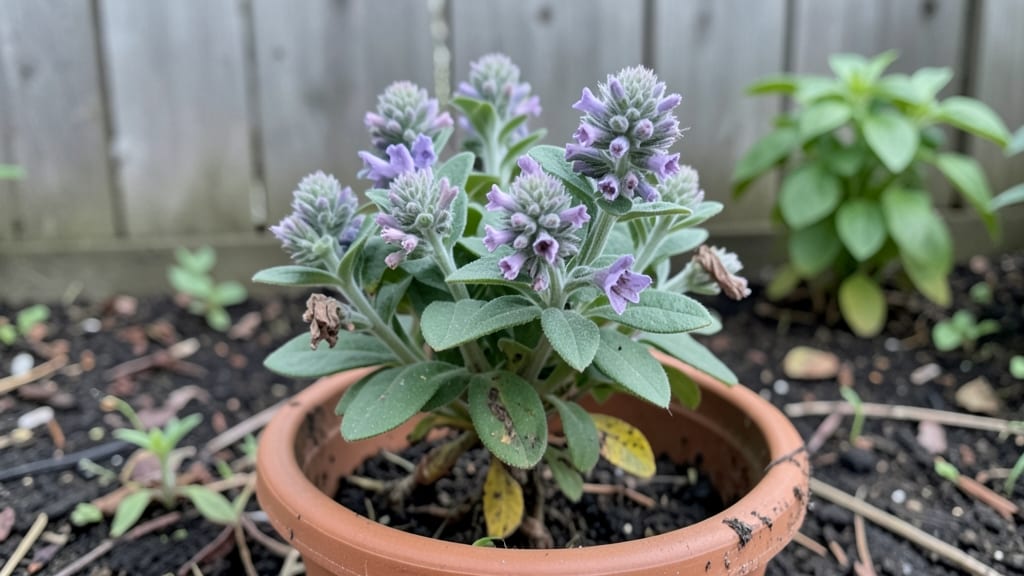
The garden heliotrope plant's intoxicating vanilla-cinnamon scent turns any summer evening into a sensory experience. I first fell for it after a neighbor's plant wafted its fragrance through my open window—now I grow it every year.
This heat-loving perennial thrives where many plants wilt, and its deep purple blooms attract pollinators all season.
Start with well-draining soil mixed with compost, and plant in full sun where temperatures stay above 60°F. Water when the top inch feels dry, but avoid soggy roots—heliotrope hates wet feet.
For containers, use at least a 10-inch pot with drainage holes, and prune leggy stems to encourage bushier growth and more flowers. Most varieties like 'Heliotropium arborescens' grow 2-3 feet tall, perfect for borders or mixed beds.
By mid-summer, you'll be rewarded with clusters of fragrant blooms that perfume the air at dusk. The key to maximizing scent is deadheading spent flowers and pinching back new growth in spring.
Even in small spaces, heliotrope thrives—its compact size makes it ideal for patios, window boxes, or as a focal point in cottage gardens.
Troubleshoot leggy growth by moving plants to sunnier spots or supplementing with a grow light. If blooms are sparse, try fertilizing lightly with a balanced 10-10-10 mix in early spring. With proper care, your heliotrope will reward you with years of effortless beauty and intoxicating fragrance—no greenhouse required.
📚 In This Guide
- What you need
- Instructions
- Tips and common mistakes
- Wrapping up and next steps
What you need
- ● Heliotrope seeds or cuttings: Choose Heliotropium arborescens (most common) or Heliotropium peruvianum (hardier). For seeds, 20–30 per plant ensures good coverage.
- ● Well-draining potting mix: 10–15 lbs for containers or amend garden soil with compost (50%) and perlite/sand (20%) for loose, airy texture.
- ● Container or garden bed: For containers: 12–18" pots (1 plant per pot) with drainage holes.
- ● For garden beds: Full sun (6+ hours/day) with loamy, slightly acidic soil (pH 6.0–7.0).
- ● Slow-release fertilizer: 10–10–10 or 5–10–5 NPK ratio (2–3 tbsp per plant at planting).
- ● Mulch: 1–2" layer of straw or shredded bark to retain moisture and suppress weeds.
- ○ Garden tools: Trowel, pruners (sterilized), and gloves (optional but helpful for handling prickly stems).
- ● Watering can or hose: With a gentle spray nozzle for seedlings.
- ● Spray bottle: For misting seeds during germination (keep soil consistently moist, not soggy).
- ○ Optional but handy: Coffee grounds (1 cup per plant monthly) to boost fragrance.
- ● Stakes or cages (for taller varieties like H. arborescens to support growth).
- ● Shade cloth (30–50%) if planting in scorching climates (Heliotrope hates extreme heat).
Step-by-Step instructions for planting and cultivating garden heliotrope
Here's the straightforward approach I've perfected for growing this heat-loving, fragrant perennial.
Select the Perfect Planting Location
Garden heliotrope thrives in full sun to partial shade, with at least 6 hours of direct sunlight daily. I always choose a spot with well-draining soil—this plant despises soggy roots. The ideal location receives morning sun and afternoon shade in hot climates, preventing leaf scorch while ensuring enough light for robust growth.
Test your soil by digging a 6-inch hole and checking drainage. If water pools after 30 minutes, amend the area with 2-3 inches of compost to improve drainage. The plant's deep root system benefits from loose, airy soil that won't compact around its roots.
Prepare the Soil and Plant with Care
Before planting, loosen the soil in a 12-inch diameter circle around the chosen spot using a garden fork. This aeration encourages root penetration and prevents waterlogging. Mix in 1 cup of 5-10-5 fertilizer into the loosened soil to provide a slow-release nutrient boost.
When planting, dig a hole twice as wide as the root ball but no deeper. Gently remove the plant from its container and place it in the hole, ensuring the top of the root ball sits level with the surrounding soil. Fill the hole with soil, pressing lightly to eliminate air pockets while avoiding compaction.
Water Thoroughly and Establish a Routine
After planting, water deeply to 2 inches below the soil surface, which ensures the roots make contact with moisture. I use a soaker hose to deliver water slowly, preventing runoff and encouraging deep root growth. Watering deeply 2-3 times per week is ideal, but adjust based on rainfall—heliotrope is drought-tolerant once established.
Keep the soil evenly moist but not soggy for the first 4-6 weeks to help the plant establish its root system. You'll know it's settled in when new leaves appear and the plant begins to grow vigorously. Avoid overhead watering to prevent fungal diseases that can disfigure the foliage.
Maintain Through the Growing Season
Fertilize garden heliotrope once in early spring and again after flowering with a balanced 10-10-10 fertilizer. Apply ½ cup per plant and water thoroughly to distribute nutrients into the soil. This feeding schedule promotes lush foliage and abundant blooms without overstimulating growth.
Deadhead spent flowers regularly to encourage continuous blooming and prevent seed formation, which can divert energy away from new growth. Prune leggy stems in early summer to maintain a compact shape and improve airflow, reducing the risk of powdery mildew.
Overwinter for Next Year's Blooms
Garden heliotrope is hardy in USDA zones 9-11, but in colder climates, it thrives as an annual or can be overwintered indoors. Before the first frost, cut back the plant to 6 inches tall and dig up the root ball. Pot it in a 1-gallon container and place it in a cool, bright location indoors.
Water sparingly during dormancy, keeping the soil just slightly moist. Resume regular care in spring when new growth appears. This perennial rewards patience with years of fragrant blooms and minimal maintenance once established.
Tips & tricks for perfect garden heliotrope cultivation
These proven strategies will help you cultivate thriving, fragrant garden heliotrope that blooms abundantly year after year.
Soil Preparation Secret: When testing drainage in Step 1, I recommend using a simple mason jar test. Fill a jar halfway with soil, add water, and observe how quickly it drains. If water remains after 30 minutes, you'll know exactly how much compost to add—typically 2-3 inches mixed into the top 6 inches of soil. This ensures proper aeration for the plant's deep root system while preventing waterlogging that can cause root rot. The key is creating a loose, crumbly texture that mimics the plant's natural Mediterranean habitat.
Planting Technique: In Step 2, the "twice as wide" hole is critical for proper root establishment. I use a garden trowel to create a loose, saucer-shaped base around the planting hole, which encourages roots to spread horizontally. When pressing soil around the root ball, I avoid compacting it by using my fingers to gently firm the soil—this creates just enough contact for stability without restricting root growth. The goal is to eliminate air pockets while maintaining a loose structure that allows moisture penetration.
Watering Strategy: The 2-3 times per week watering schedule in Step 3 works best when you water deeply each time. I've found that using a soaker hose for 15-20 minutes delivers the ideal 2 inches of moisture penetration. To check depth, insert a metal rod or skewer—when it comes out clean at 2 inches, you've reached the target. This deep watering encourages roots to grow downward rather than staying shallow, which is essential for the plant's drought tolerance once established.
Fertilization Timing: The early spring and post-flowering fertilization schedule in Step 4 is perfect, but I've discovered that applying the ½ cup of 10-10-10 fertilizer in two equal portions—one in early spring and one after the first flush of blooms—works even better. This approach prevents over-fertilization that can lead to excessive leaf growth at the expense of flowers. Always water thoroughly after fertilizing to help distribute nutrients throughout the root zone without burning the plant.
Pro Tips for Garden Heliotrope Plant
- These proven strategies will help you cultivate thriving, fragrant garden heliotrope that blooms abundantly year after year.
- Soil Preparation Secret: When testing drainage in Step 1, I recommend using a simple mason jar test.
- Planting Technique: In Step 2, the "twice as wide" hole is critical for proper root establishment.
Frequently asked questions
Got questions about growing garden heliotrope? You’re not alone!
Here are some of the most common concerns—and their answers—to help you cultivate this fragrant beauty with confidence.
Is garden heliotrope easy to grow for beginners?
Heliotrope thrives in full sun to partial shade and tolerates poor soil, making it a forgiving choice. Just ensure well-draining soil and consistent watering (but avoid soggy roots). With minimal fuss, it rewards you with vanilla-cinnamon-scented blooms all summer long.
How long does it take for heliotrope to flower after planting?
Patience is key—expect blooms 60–90 days after transplanting seedlings (or slightly longer from seed). For faster results, opt for nursery-grown plants. Pro tip: Pinch back young stems to encourage bushier growth and more flowers!
Can garden heliotrope survive winter in cold climates?
In USDA Zones 8–11, heliotrope is perennial and overwinters easily. For colder zones (below Zone 7), treat it as an annual or dig up tubers in fall, store them in dry peat moss, and replant next spring. Bonus: Its sweet scent lingers even in dried flowers!
What pests or diseases should I watch for with heliotrope?
Heliotrope is generally pest-resistant, but keep an eye out for aphids (spray with soapy water) or powdery mildew in humid climates. Improve airflow and avoid overhead watering to prevent issues. Quick fix: Neem oil works wonders for early pest signs!
Are there fragrant alternatives to garden heliotrope?
Yes! If you love the scent, try lavender, dianthus, or sweet alyssum. For a similar tropical vibe, plumbago or jasmine (like Trachelospermum jasminoides) are stunning picks. Each offers unique fragrances and growing habits—so experiment!
Wrapping up and next steps
Incorporating a garden heliotrope plant into your landscape is a rewarding way to enjoy fragrant blooms and effortless beauty—especially in hot climates! 🌿 With minimal care and the right conditions, this heat-loving perennial will flourish, filling your garden with its sweet vanilla-cinnamon scent.
Whether you’re a seasoned gardener or just starting, its resilience and charm make it a perfect addition.
Ready to invite this fragrant star into your garden? Start by choosing a sunny spot, preparing the soil, and planting your heliotrope with confidence! Watch as it transforms your outdoor space into a sensory haven. Happy gardening! 🌸