
Tools
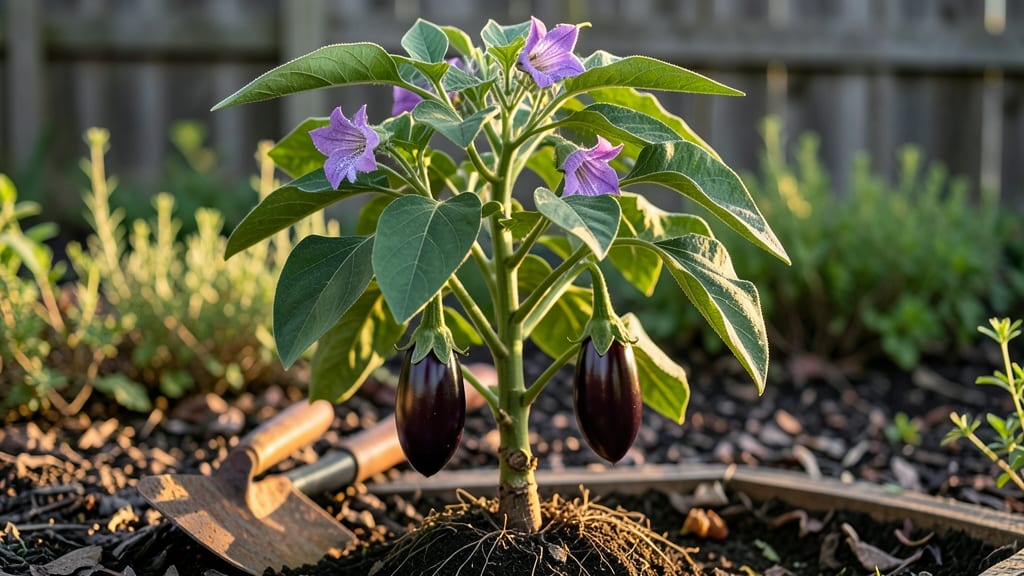
Growing eggplant in your garden delivers those glossy, deep-purple fruits you crave for grilling and roasting—in just 60 days from seed. 🌱 I’ve turned my backyard into a mini eggplant factory by starting seeds indoors, then transplanting them into warm soil where they thrive.
The key isn’t fancy tricks—it’s timing, soil warmth, and consistent care that keeps plants producing until frost.
You’ll need 6-8 hours of sunlight daily, rich composted soil, and containers or rows that give roots room to spread. Most beginners struggle with slow germination or leggy seedlings, but I’ve got foolproof methods to avoid those pitfalls.
The payoff? Eggplants that grow 2-3 feet tall and keep yielding through summer’s heat.
Once planted, keep soil moist but not soggy—eggplants hate wet feet—and watch for pests like flea beetles. A simple row cover early on can save your crop.
By mid-summer, you’ll be harvesting 1-2 eggplants per week, each one bigger and more flavorful than store-bought. The secret’s in the soil prep and watering routine.
Works in zones 5-11, whether you’re using raised beds, containers, or in-ground plots. Let’s get those seeds started—your first harvest is closer than you think!
📚 In This Guide
- What you need
- Instructions
- Tips and common mistakes
- Wrapping up and next steps
What you need
- ● Eggplant seeds or seedlings: Choose disease-resistant varieties like 'Black Beauty' or 'Ichiban.' Start with 3–5 seeds or 2–3 seedlings per plant (or 1 seedling per 12-inch pot if container-growing).
- ● Well-draining potting mix or garden soil: A blend of 60% topsoil, 30% compost, and 10% perlite or vermiculite (for loose, fertile soil). For containers, use a 10–12 inch deep pot with drainage holes.
- ● Fertilizer: Balanced organic fertilizer (10-10-10 or 5-5-5) for planting (follow package rates).
- ● High-phosphorus fertilizer (e.g., bone meal or 3-4-6) when flowers appear to boost fruit production.
- ● Mulch: 2–3 inches of straw or shredded leaves to retain moisture and suppress weeds.
- ● Garden trowel or hand shovel for transplanting seedlings.
- ● Watering can or hose with a gentle spray nozzle (eggplants dislike soggy roots!).
- ● Pruning shears to trim yellow leaves or encourage bushier growth.
- ○ Garden gloves (optional but helpful for handling prickly stems).
- ● Row covers or frost cloth (if planting in cool climates to protect young plants).
- ○ Stakes or cages (optional): Eggplants can grow 2–3 feet tall; use 6-foot stakes or tomato cages for support if needed.
- ● Sunlight: A full-sun location (6–8+ hours of direct sunlight daily)—eggplants are sun-worshippers! 🌞
- ● Warm soil: Wait until soil temps reach 70°F (21°C) before planting (use a soil thermometer if unsure).
- ● pH level: Aim for 6.0–6.8 (test with a soil kit or send a sample to a local extension office).
- ● Spacing: In-ground: 18–24 inches apart in rows 2–3 feet apart.
- ● Containers: 1 plant per 12-inch pot (or 2 per 18-inch pot).
How to grow eggplants in the garden for a bountiful harvest
Here's how I transform tiny seeds into vibrant, productive eggplants—ready for your kitchen in just two months.
🌱 Step 1: Start Seeds Indoors 8-10 Weeks Before Last Frost
Fill 2-3 inch deep seed-starting cells with moistened seed-starting mix, pressing it down gently to remove air pockets. Plant 1-2 seeds per cell at a depth of ¼ inch, then lightly cover with additional mix. Keep the soil consistently moist—not soggy—using a spray bottle to avoid disturbing seeds.
Place the tray on a seedling heat mat set to 75-85°F to speed germination, which typically occurs in 7-14 days. Real talk: if your home stays cooler, germination may take longer. Once sprouts appear, remove the heat mat and position them under a grow light for 14-16 hours daily. You'll notice the first true leaves (not the initial seed leaves) emerge within 10-14 days—that's your cue to start hardening off.
☀️ Step 2: Harden Off and Transplant After Warm Soil
Begin hardening off seedlings by placing them outside in a sheltered spot for 1-2 hours the first day, gradually increasing time over 7-10 days until they can stay out overnight. Eggplants thrive in warm soil (70°F+), so wait until nighttime temperatures stay above 55°F before transplanting.
Dig holes slightly larger than the root ball, spacing plants 18-24 inches apart in rows 2-3 feet apart. I always add a handful of compost to each hole to boost early growth. Gently firm soil around the base and water deeply to settle roots. Here's the thing—eggplants hate root disturbance, so handle transplants carefully to avoid shock.
💧 Step 3: Provide Consistent Water and Fertility
Water eggplants at the base 1-2 inches deep every 2-3 days, ensuring the top inch of soil feels dry to the touch before watering again. Mulch with 2-3 inches of organic mulch to retain moisture and suppress weeds. Eggplants are heavy feeders, so side-dress with balanced fertilizer (10-10-10) every 4-6 weeks after transplanting.
Watch for signs of stress: wilting leaves or yellowing foliage usually means inconsistent watering. If you see flowers dropping, it’s often due to uneven moisture. Here’s where it gets fun—prune suckers (those small shoots in leaf axils) to direct energy toward fruit production. You’ll start seeing flowers in 6-8 weeks after transplanting, followed by fruit in 2-3 weeks.
✂️ Step 4: Harvest and Maintain Through the Season
Harvest eggplants when they reach 6-8 inches long and their skin is glossy and firm. Use a sharp knife to cut stems, leaving ½ inch of stem attached to prevent rot. Regular harvesting encourages more production—don’t let fruit overmature on the vine.
Continue fertilizing and watering as before, and watch for pests like flea beetles or aphids. A weekly spray of neem oil keeps them at bay. If your plants stop producing, they may need more phosphorus—switch to a 5-10-10 fertilizer to boost flowering. With proper care, one plant yields 4-6 pounds of eggplants over the season.
Tips & tricks for perfect eggplant growth in the garden
Transforming those tiny seeds into a thriving eggplant harvest takes precision—and I’ve learned these game-changing tricks after years of trial and error.
Heat Mat Hack: The 75-85°F heat mat temperature in Step 1 isn’t just about speeding germination—it’s about consistency. I’ve seen germination times stretch to 21 days when starting seeds in cooler homes (below 68°F). If your space stays chilly, consider using a seedling heat mat with a built-in thermostat to maintain that critical range. The moment you see those first sprouts, remove the heat mat immediately to prevent over-heating, which can stress delicate seedlings.
Hardening Off Strategy: The gradual 7-10 day hardening process in Step 2 is where most beginners fail. I’ve found that moving seedlings to a spot with morning sun and afternoon shade works best—this mimics natural light transitions. On windy days, shield them with a temporary cloche or even a cardboard box with ventilation holes. The key is to expose them to increasing durations of outdoor conditions without shocking their systems. If nighttime temps dip below 55°F, bring them back in until your soil warms up.
Watering Wisdom: The 1-2 inch deep watering guideline in Step 3 is non-negotiable, but timing matters just as much. I water my eggplants in the early morning so the foliage has all day to dry—this prevents fungal diseases like powdery mildew that thrive in damp conditions. A simple soil moisture meter makes this easier, but the finger test works too: stick your finger an inch deep into the soil. If it feels dry, it’s time to water. Overwatering is the #1 reason eggplants develop blossom end rot or yellow leaves.
Harvest Timing Secret: Those 6-8 inch eggplants in Step 4 might look ready, but don’t be fooled by size alone. The real indicator is skin glossiness and firmness when pressed gently. I harvest mine in the morning when the skin is coolest and firmest. Pro tip: Use pruning shears instead of a knife—they leave a cleaner cut and reduce the risk of disease entering through jagged edges. And here’s a little-known fact: harvesting regularly actually stimulates more fruit production, so don’t wait until they’re overripe!
Pro Tips for Eggplant In Garden
- Transforming those tiny seeds into a thriving eggplant harvest takes precision—and I’ve learned these game-changing tricks after years of trial and error.
- Heat Mat Hack: The 75-85°F heat mat temperature in Step 1 isn’t just about speeding germination—it’s about consistency.
- Hardening Off Strategy: The gradual 7-10 day hardening process in Step 2 is where most beginners fail.
Frequently asked questions
Got questions about growing eggplants in your garden?
You’re not alone! Here are answers to the most common queries to help you cultivate a thriving crop with ease.
How long does it take for eggplant to grow from seed to harvest?
Eggplants typically take 60–90 days from seed to harvest, depending on the variety. Early-maturing types (like 'Black Beauty') can be ready in as little as 50–60 days with optimal conditions—warm soil, full sun, and consistent moisture. Start seeds indoors 8–10 weeks before the last frost for a head start!
What’s the best temperature for growing eggplants?
Eggplants love heat! Ideal temperatures range from 70–90°F (21–32°C) during the day and above 60°F (15°C) at night. They’re sensitive to cold—below 50°F (10°C) can stunt growth, and frost will kill them. Use row covers or black plastic mulch to warm the soil early in the season.
What pests or diseases should I watch for with eggplants?
Common pests include aphids, flea beetles, and hornworms (those hungry caterpillars!). Diseases like powdery mildew or blight thrive in damp conditions. Prevent issues by:
- Rotating crops yearly to avoid soil-borne diseases.
- Using neem oil or insecticidal soap for pests.
- Ensuring good airflow between plants to reduce mildew.
Can I grow eggplants in containers, or do they need a garden bed?
Eggplants thrive in containers 12–18 inches deep with drainage holes. Choose self-pollinating varieties (like 'Fairy Tale') for smaller spaces. Use a lightweight potting mix and fertilize regularly—containers dry out faster than garden beds. Place pots in full sun and water consistently.
Why are my eggplants turning bitter or small?
Bitter taste or stunted growth often stems from overcrowding, poor pollination, or nutrient deficiencies. Ensure plants have 18–24 inches of space and receive adequate calcium and phosphorus (use a balanced fertilizer like 5-10-10). Hand-pollinate if bees are scarce by gently shaking flowers. Also, prune suckers to focus energy on fruit production.
Wrapping up and next steps
Growing eggplant in your garden is a rewarding journey that yields delicious, versatile produce in just 60 days! With the right soil, sunlight, and care, you’ll enjoy a bountiful harvest—whether you’re roasting, grilling, or stuffing them in your favorite dishes. 🌱✨
Now that you’re armed with tips and answers, it’s time to roll up your sleeves! Start planting those seeds or seedlings today—your future meals (and bragging rights) will thank you. Happy gardening!