
Pests
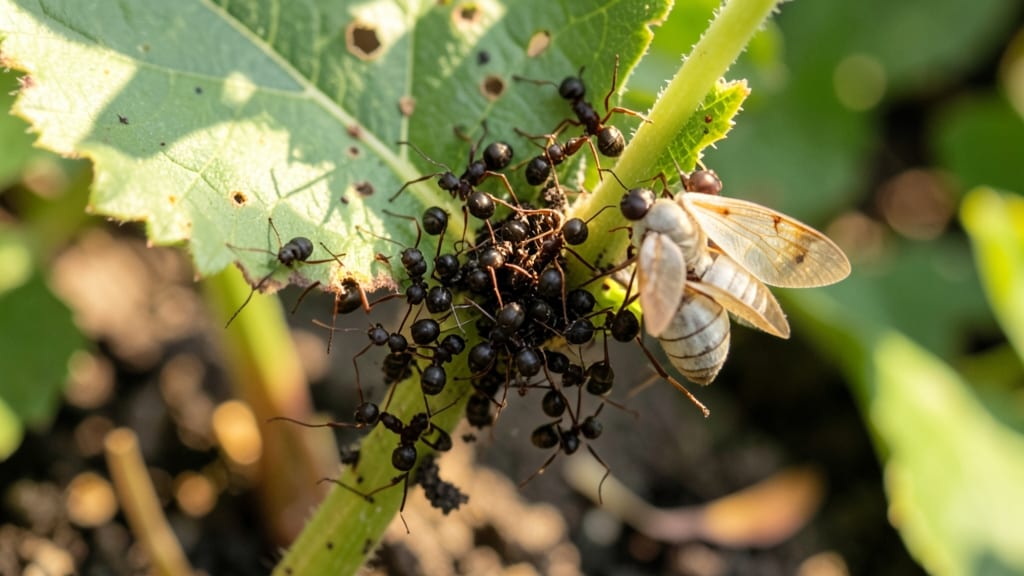
Ant infestation in gardens isn't just annoying—it's a silent threat to your plants' health. 🌱 I've seen these tiny invaders turn thriving beds into battlegrounds, and the key to stopping them lies in disrupting their colonies before they multiply.
The wrong approach can make things worse, but iron castings offer a natural, long-term solution that actually works.
Most people reach for chemical sprays first, but that kills beneficial insects too. Iron castings, on the other hand, create an inhospitable environment for ants without harming your soil or pollinators. They work by altering the pH slightly and blocking the trails ants use to navigate.
You'll start seeing fewer ants within 2-3 weeks, and the effect lasts through the growing season.
What makes this method special is how it protects your garden's foundation. Ants don't just steal nutrients—they farm aphids, which then drain your plants. By breaking their colony structure, you're also removing that secondary pest problem.
Your plants will show it in stronger stems and bigger blooms, not to mention fewer sticky aphid trails on leaves.
This works for vegetable gardens, flower beds, and even potted plants. The best part? You can use it as both a treatment and a preventive measure. Once you understand how ant colonies operate, you'll spot the early warning signs and act before they become a full-blown invasion.
Let's get started with the full strategy.
The hidden triggers behind garden ants
Ants may seem like tiny, harmless creatures, but when they invade your garden in massive numbers, they can quickly become a nuisance—and even damage your plants. Understanding why these six-legged invaders show up in the first place is the first step to stopping them before they take over.
Let’s break down the science behind their behavior and uncover the real reasons your garden has become their new favorite hangout.
Ants are opportunistic foragers, and your garden likely offers a buffet they can’t resist. Here’s what’s on their menu:
- Sugary nectar: Flowers, overripe fruits, and even honeydew (a sticky secretion from aphids) provide quick energy. Pro tip: 🌡️ If you notice aphids on your plants, ants are probably farming them for this sweet reward.
- Protein-rich prey: Insects like termites, grubs, and other small pests are a protein powerhouse for ant colonies. If your garden has a thriving ecosystem of bugs, ants will follow.
- Human food scraps: Crumbs, spilled drinks, or pet food left outside are like a neon "EAT ME" sign. Actionable fix: Always clean up spills and store food securely.
Ants need water and protection to thrive, and your garden might be offering both in spades:
- Overwatered soil: Ants seek out damp areas to hydrate and build nests. If your garden has poor drainage or you’re a heavy-handed waterer, you’re basically inviting them to move in.
- Mulch and debris: Piles of leaves, wood chips, or even that old cardboard you tossed under the bench create perfect nesting spots. Pro tip: 🔥 Keep mulch 3 inches away from plant stems to deter underground tunnels.
- Cracks in structures: Patio stones, wooden fences, and even the gaps in your house foundation provide easy access to shelter. Ants will exploit any tiny opening.
Not all plants are created equal when it comes to ant attraction. Some act like magnets for these pests:
- Sweet-smelling flowers: Plants like lavender, roses, and hibiscus produce nectar that ants can’t resist. Actionable fix: 🎯 Plant ant-repelling herbs like mint, basil, or tansy nearby to create a natural barrier.
- Fast-growing or decaying plants: Ants target plants with soft stems (like young seedlings) or those already stressed by disease. Pro tip: 💡 Healthy plants = fewer ant targets. Rotate crops and remove diseased foliage promptly.
- Citrus and fruit trees: The sugary sap and fallen fruit create a feast that ants will exploit. Actionable fix: Pick fruit regularly and dispose of it far from the garden.
Ants don’t invade randomly—they’re following a strategic plan to grow their colony. Here’s how your garden becomes their next expansion site:
- Proximity to established colonies: If your neighbor’s yard is already ant-infested, your garden is at high risk. Ants scout for new territories within 100 feet of their nest.
- Lack of natural predators: Birds, toads, and certain beetles keep ant populations in check. If your garden lacks biodiversity, ants multiply unchecked.
- Seasonal triggers: Warm, humid weather (like spring and summer) signals ants to forage aggressively. Pro tip: 🌡️ Early morning or late evening is when they’re most active—set traps or barriers during these times.
Now that you know why ants are crashing your garden party, the next step is learning how to evict them naturally—without harming your plants or the environment. Stay tuned!
Natural Ways to Stop Garden Ants
Ants may be tiny, but their colonies can wreak havoc on your garden—chewing through plants, damaging roots, and even inviting pests like aphids. The good news? You don’t need harsh chemicals to reclaim your green space.
Below are targeted, eco-friendly solutions to break ant trails, disrupt colonies, and keep them from returning. Each fix matches a common cause, so you can tackle the problem at its source.
Ants invade gardens primarily for water and sugar-rich food. If you’ve spotted them near damp soil or rotting organic matter, they’re likely following scent trails to a feast.
🍳 Cut Off the Water Supply
- Fix: Redirect sprinklers or dripping hoses away from ant trails.
Ants need moisture to survive, and eliminating standing water near their paths forces them to relocate. - Pro Tip: 💡 Use drip irrigation instead of overhead watering—it keeps soil hydrated without creating ant highways.
👨🍳 Remove Food Sources
- Fix: Clear away fruit scraps, fallen petals, and spilled nectar (especially from aphid-infested plants).
Ants farm aphids for honeydew, so: - Blast aphids off plants with a strong spray of water. - Apply neem oil (a natural insecticide) to deter both ants and aphids. - Prevention: 🌡️ Store compost bins far from garden edges and use tight-fitting lids to block access.
If you’ve found mounds of soil or tiny holes in your lawn, ants have already established a colony. The key? Disrupt their nesting sites without harming beneficial insects.
🔪 Vinegar & Boiling Water Strike
- Fix: For small mounds, pour 1 cup of white vinegar + 1 cup boiling water directly into the nest entrance.
The acidity kills ants on contact and disrupts pheromone trails. - For large colonies: 🎯 Use orange oil (d-limonene), a natural insecticide derived from citrus peels. Spray it directly into the nest—it dissolves their exoskeletons.
⏰ Iron Castings: The Silent Colony Killer
- Fix: Place iron castings (like old pots, tools, or even iron-rich mulch) near ant trails and nests.
The oxidation process creates a barrier that ants avoid, and the mild iron scent confuses their foraging patterns. - How to use: 🔥 Scatter castings around the perimeter of your garden and refresh every 2–3 weeks. Over time, colonies will abandon the area.
Ants exploit weak spots in your garden’s defenses—cracks in mulch, bare soil, or weak plants. Reinforce these areas to make your garden less inviting.
🛡️ Create Physical Barriers
- Fix: Sprinkle diatomaceous earth (food-grade) or crushed eggshells along garden edges. These microscopic abrasives dry out ants and block their paths.
- Alternative: 🌿 Plant ant-repelling herbs like mint, lavender, or lemon thyme near high-traffic areas. Their strong scents mask pheromone trails.
🌡️ Adjust Mulch & Soil Health
- Fix: Replace thick, damp mulch (which traps moisture) with coarse wood chips or straw. Ensure proper drainage—ants thrive in soggy conditions.
- Prevention: ✨ Add beneficial nematodes to the soil.
These microscopic worms target ant larvae without harming plants or pollinators.
Once you’ve eliminated the infestation, strategic habits will prevent a comeback.
- 🔍 Inspect regularly: Check for new mounds or tiny holes every 2 weeks, especially after rain. - 🌿 Encourage predators: Ladybugs, birds, and toads love eating ants.
Plant native flowers to attract them. - 🚫 Avoid broad-spectrum sprays: Chemicals like carbaryl kill beneficial insects too. Stick to targeted, natural methods.
Final Thought: Ants are persistent, but with iron castings, scent disruption, and smart garden habits, you can outsmart them without toxic chemicals. Start with one or two fixes that match your garden’s weak spots, and watch those tiny invaders pack their bags—for good!
Frequently asked questions
Why do ants suddenly appear in my garden after years of no issues?
Ant populations often surge due to environmental changes like warmer weather, increased rainfall, or new food sources. If you recently added compost, planted sweet-smelling flowers, or had an aphid outbreak, these attractants can trigger a rapid ant invasion. Even subtle shifts—like a neighbor's yard becoming ant-friendly—can cause nearby colonies to expand into your space.
Will iron castings harm my plants or beneficial insects?
Not at all! Iron castings work by creating an inhospitable environment specifically for ants through oxidation, not toxicity. The mild iron scent disrupts their pheromone trails without affecting plants, bees, or other pollinators. Unlike chemical pesticides, this method targets only ants while preserving your garden's ecosystem.
How long does it take for iron castings to show results?
You'll typically see a noticeable reduction in ant activity within 2-3 weeks as existing trails become unusable. For established colonies, it may take up to 4-6 weeks to fully disrupt their foraging patterns. The key is consistency—refresh the castings every 2-3 weeks during active seasons to maintain the effect.
Can I use iron castings on potted plants?
Place iron castings around the pot's base and on the soil surface to create a protective barrier. For container gardens, also check the drainage holes—ants often use these as entry points. The same principles apply, just scaled to your smaller space.
What should I do if ants keep coming back after treatment?
Persistent ants usually mean either new colonies are moving in or you're still providing food/water sources. First, check for hidden moisture issues or spilled liquids. Then expand your iron casting perimeter by 1-2 feet and combine with other methods like diatomaceous earth. If the problem persists, there may be a nearby supercolony requiring professional intervention.