
Light Requirements
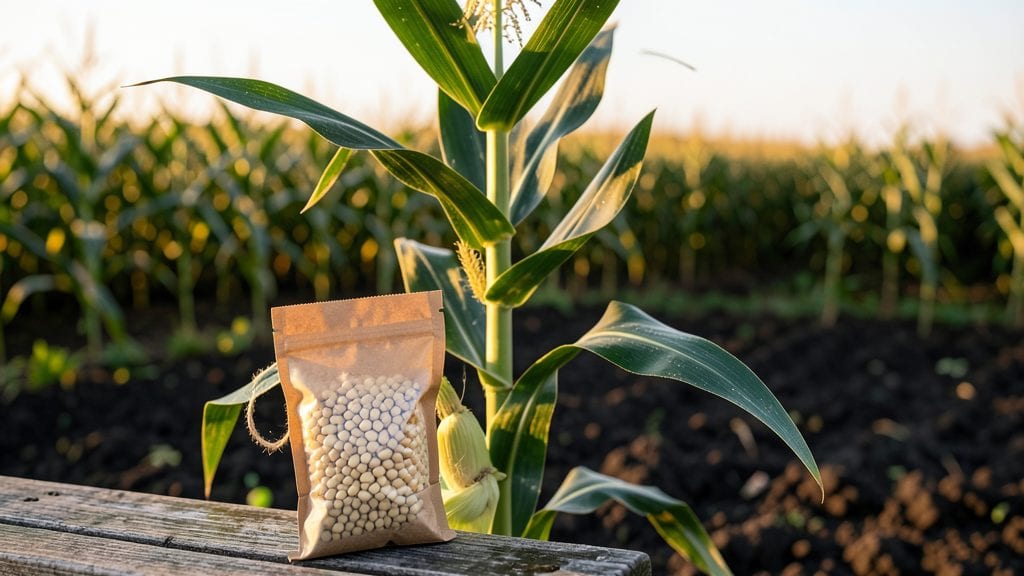
You only need to detassel corn in your garden if you're saving seeds or growing hybrid varieties, as it prevents unwanted cross-pollination. For eating corn, detasseling is optional unless you want more uniform ears.
Detasseling—removing the pollen-producing tassels from corn plants—is primarily about controlling pollination. 🌽 Without it, hybrid varieties can lose their desired traits, and seed purity suffers.
For home gardeners, though, the decision depends on your goals: if you're growing corn just to eat, skipping detasseling saves time while still yielding tasty ears. Many gardeners find that spacing plants properly or choosing open-pollinated varieties eliminates the need entirely, though it may slightly reduce uniformity.
What's interesting is how this practice ties to corn's natural biology. Corn relies on wind for pollination, so removing tassels forces pollen to travel farther, creating more even fertilization.
This explains why seed savers detassel—it ensures genetic consistency across generations. For eating corn, though, the trade-off between effort and results often makes detasseling optional for most home gardeners.
💡 In This Article
- How Detasseling Corn Affects Pollination and Seed Quality
- When to Skip Detasseling for Homegrown Sweet Corn
How detasseling corn affects pollination and seed quality
Detasseling works by eliminating the male flowers (tassels) that produce pollen, forcing corn plants to rely on pollen from other plants in your garden. This controlled cross-pollination is crucial for maintaining genetic purity in hybrid varieties, where specific traits like disease resistance or sweetness are carefully bred.
Without detasseling, pollen from one hybrid variety can contaminate another, diluting those desirable characteristics over generations. 🌱 The process mimics how corn breeders isolate plots to preserve traits—just on a smaller scale for your backyard.
Here's the science: corn is wind-pollinated, meaning pollen travels up to 1,000 feet in ideal conditions. When you remove tassels, pollen must travel farther between plants, creating more uniform fertilization.
This is why seed-saving gardeners detassel—it ensures the corn they harvest will produce seeds that grow true to the parent plant's characteristics.
For example, if you're growing Golden Bantam (an open-pollinated heirloom), detasseling prevents accidental cross-pollination with neighbor's Silver Queen hybrid, which could result in ears with inconsistent sweetness or texture.
The impact on seed quality is dramatic. Without detasseling, hybrid corn's second-generation ears often show 20-30% reduction in desired traits like sugar content or ear size. The reason? Hybrid vigor (heterosis) depends on precise genetic combinations that break down with uncontrolled pollination.
For seed-saving, this means your saved seeds won't produce the same reliable plants year after year. 🌽 In contrast, open-pollinated varieties are more forgiving—their traits remain stable even with cross-pollination, making detasseling optional for gardeners who just want to eat the corn.
What most gardeners don't realize is how detasseling affects ear development. When tassels are removed, the plant's energy shifts from pollen production to ear development, potentially increasing ear size by 10-15% in some varieties. This is why commercial seed producers detassel—it maximizes both quantity and quality.
However, for homegrown sweet corn, this trade-off often isn't worth the effort unless you're growing more than 20 plants, where the increased uniformity becomes noticeable.
Consider this comparison: hybrid corn varieties like Peaches and Cream require detasseling to maintain their 20-25 day harvest window and consistent sweetness. Open-pollinated varieties such as Country Gentleman don't need detasseling because their traits are stable regardless of pollination source.
The key difference lies in whether you're growing for seed or for the table—hybrids are bred for eating, while open-pollinated varieties are bred for both eating and seed production.
For those saving seeds, the timing matters too. Detasseling should occur when tassels are 6-12 inches long but before pollen shed begins. This window typically appears 2-3 weeks after silking (when the female flowers emerge).
Using gloves and a sharp knife, cut tassels at the base to prevent regrowth. The effort pays off in seeds that will produce plants identical to the parent—something you can't guarantee with uncontrolled pollination. 🌾