
Blooming
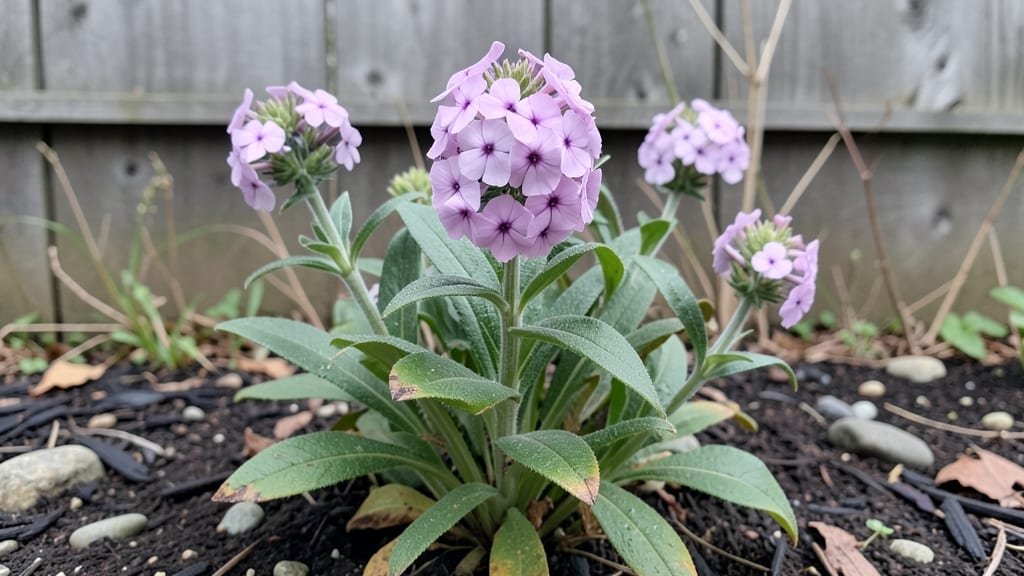
Garden phlox don’t bloom all summer long—instead, they peak from mid-to-late summer (July through August)—though some late-blooming varieties may extend into early fall with proper care. Their flowering cycle depends heavily on deadheading and growing conditions.
Garden phlox are summer stars, but their show doesn’t last the entire season.
Most varieties thrive in July and August, with peak blooms stretching into September only if you prune regularly and provide the right care. 🌸 The key to longer blooms lies in removing spent flowers (deadheading) and ensuring well-draining soil—this encourages new buds to form.
Some cool-season types might surprise you with a brief spring rebloom, but their main performance is always summer-centric.
What’s fascinating is how climate and variety play a role—northern gardeners often see longer summer blooms because cooler nights slow the plant’s natural decline. Meanwhile, heat-loving varieties in southern zones may fade faster unless you provide afternoon shade. The trick is balancing their needs with your local growing conditions.
💡 In This Article
- Phlox Bloom Seasons by Variety and Climate
- Extending Phlox Blooms: Pruning and Soil Tips
Phlox bloom seasons by variety and climate
Here's what's actually happening with phlox blooms: their flowering cycles are tightly linked to daylight hours and temperature shifts. Perennial phlox (like drummond phlox or garden phlox) are day-neutral plants, meaning they bloom based on plant maturity rather than specific daylight changes.
However, their peak occurs when daytime temperatures hit 70-80°F with cool nights (55-65°F). This temperature range triggers the genetic switch for bud formation, which is why July-August becomes their prime showtime in most regions.
Annual phlox varieties (such as annual phlox) follow a different rhythm—they bloom continuously from spring until frost if given ideal conditions. The key difference lies in their growth habit: perennials store energy in roots between seasons, while annuals focus all their energy on rapid flowering.
In USDA zones 3-5, where summers are cooler, phlox often bloom 2-3 weeks longer than in zones 7-9 due to heat stress.
For example, in Chicago (zone 5), garden phlox may bloom from late June through September, while in Atlanta (zone 8), they peak in July and fade by early August unless shaded.
What most people don't realize is how critical the daylength-temperature balance becomes. When summer days stretch beyond 14 hours of daylight (common in June), phlox plants receive a subtle signal to shift from vegetative growth to flowering.
However, if temperatures exceed 85°F for prolonged periods, the plants experience heat stress, causing buds to abort and flowers to wilt prematurely. This is why southern gardeners often see shorter bloom seasons unless they provide afternoon shade or mulch to keep root zones cool.
The science behind this involves a plant hormone called florigen, which triggers blooming. Cooler nights help maintain florigen production, while consistent heat disrupts this process.
For instance, David phlox (a late-summer variety) thrives in zones 4-8 and often extends blooms into September because its genetic makeup tolerates slightly cooler conditions than garden phlox.
In contrast, creeping phlox (a spring bloomer) may produce a second flush of flowers in fall if given proper care, but its primary display is always tied to spring's cooler temperatures.
Consider these regional variations when planning your garden: in Pacific Northwest (zone 7-9), phlox may bloom from May through July due to cooler summers, while in Deep South (zone 8-10), they peak in June and decline by August.
The exception? Tall garden phlox varieties like 'Bright Eyes' often perform better in cooler climates, while dwarf varieties handle heat slightly better due to their compact growth. 🌿
For gardeners in transitional zones (like zone 6), the secret to extending blooms lies in strategic deadheading and watering schedules. During heatwaves, watering deeply in the morning (before 10 AM) helps maintain soil moisture without promoting fungal diseases.
In zones 3-4, where summers are shorter, phlox may bloom from June through August, but providing afternoon shade with 30-50% shade cloth can push blooms into early September.
Here's a practical tip: if your phlox starts wilting in mid-August, it's likely due to heat stress. At this point, reduce watering slightly (phlox are drought-tolerant once established) and apply a 2-inch layer of mulch to insulate roots.
This simple adjustment can extend blooms by 2-3 weeks in many climates. The goal is to mimic the natural temperature fluctuations that trigger prolonged flowering. 🌸