
Tools
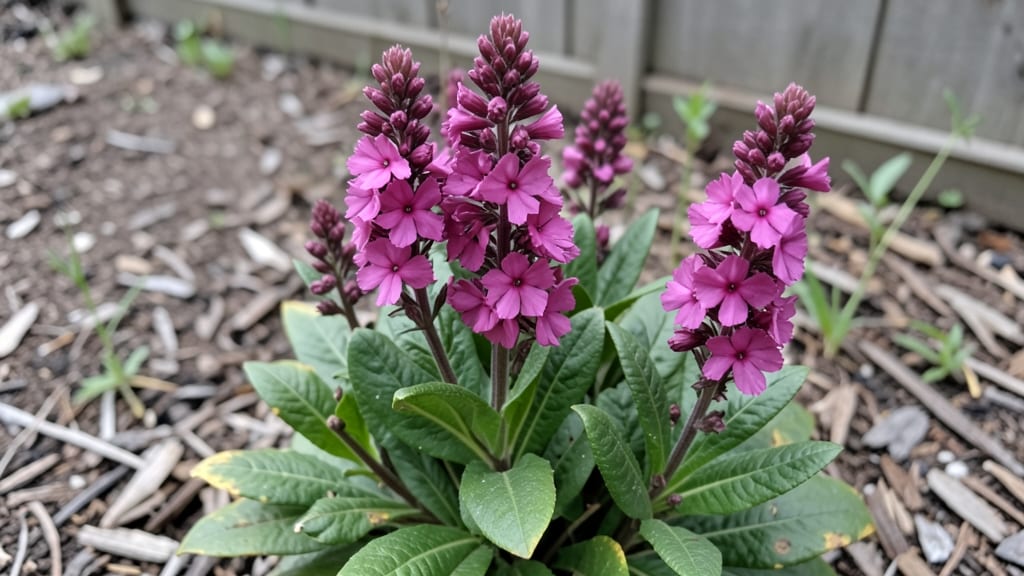
Growing Nicky Garden Phlox means transforming your garden into a vertical waterfall of color that lasts from early summer until frost. 🌸 I fell for this climbing perennial after seeing it sprawl across a trellis in a neighbor’s yard—its deep purple blooms cascading like a living curtain, and I knew I had to grow it myself.
The secret lies in mimicking its natural woodland habitat while giving it room to climb, which is easier than it sounds.
You’ll need well-draining soil mixed with compost, a sturdy trellis or fence at least 5 feet tall, and a spot that gets morning sun and afternoon shade—this phlox thrives where temperatures stay cooler.
Plant the tubers in early spring, spacing them 12–18 inches apart, and watch as they send up velvety green foliage within weeks. The key to those showstopping blooms? Consistent moisture and a light hand with fertilizer—too much nitrogen means fewer flowers.
By midsummer, your trellis will be draped in clusters of fragrant, quarter-sized blooms, attracting butterflies while keeping deer and rabbits at bay. Prune back spent stems in late summer to encourage a second flush of flowers, and mulch heavily in winter to protect the tubers.
This isn’t just a plant—it’s a low-maintenance statement piece that outperforms annuals every season.
Works beautifully in partial shade, along fences, or even trained up a sturdy arbor. Once established, Nicky Garden Phlox spreads gently, filling gaps while keeping its climbing habit. The first year is about getting it rooted; after that, it’s pure season-long color with minimal effort—and that’s a promise.
📚 In This Guide
- What you need
- Instructions
- Tips and common mistakes
- Wrapping up and next steps
What you need
- ● Nicky Garden Phlox plants: 3–5 nursery-grown transplants (6-inch pots) or seeds (if starting from scratch).
- ● Pro tip: Choose disease-resistant varieties (e.g., Phlox paniculata 'Nicky') for fewer pests! 🌡️
- ● Well-draining potting mix or garden soil: 50 lbs of high-quality perennial mix (amended with compost for fertility).
- ○ Optional: Perlite or sand (1 part per 4 parts soil) for sandy soils.
- ● Organic fertilizer: 10–10–10 or 5–10–10 NPK blend (2 tbsp per plant at planting).
- ○ Optional: Slow-release granules (e.g., Osmocote) for low-maintenance feeding. ✨
- ● Mulch: 2–3 inches of shredded bark, straw, or pine needles to retain moisture.
- ● Hand trowel or transplant spade (for digging holes).
- ● Garden gloves (to protect hands from thorns or rough soil).
- ● Watering can or hose with a gentle spray nozzle (for hydration without disturbing roots).
- ● Pruning shears (for deadheading spent blooms and shaping plants).
- ○ Optional: Stake or tomato cage (if growing in windy areas).
- ● Fungicide (e.g., neem oil spray) for preventive care. 💡
- ● Sunlight: Full sun (6+ hours daily) or partial shade (4–6 hours).
- ● Planting time: Spring (after last frost) or early fall (4–6 weeks before first frost).
- ● Pro tip: Avoid summer heat—phlox hates soggy roots! 🌡️
- ● Spacing: 18–24 inches apart (for airflow and growth).
Step-by-step guide to planting and cultivating Nicky Garden Phlox
Here's my foolproof method for establishing these vigorous climbers with minimal fuss.
🌱 Step 1: Prepare the Planting Site for Optimal Growth
Nicky Garden Phlox thrives in well-draining soil with morning sun and afternoon shade—critical for preventing leaf scorch. Choose a spot where the soil stays moist but never waterlogged, as soggy roots invite rot. If your garden soil is heavy clay, amend it with 2-3 inches of compost mixed into the top 12 inches of soil to improve aeration.
Loosen the soil to a depth of 12 inches using a garden fork, breaking up any compacted layers. This ensures roots can penetrate easily. The ideal planting time is early spring or fall, when temperatures are mild. Avoid planting during heatwaves—young plants struggle to establish in 90°F+ conditions.
🪴 Step 2: Plant with Proper Spacing and Support
Dig holes twice as wide as the root ball but only as deep—planting too deep suffocates the crown. Space plants 24-36 inches apart to allow airflow and prevent fungal diseases. Nicky Garden Phlox climbs by twining, so install a 5-6 foot tall trellis, arbor, or sturdy fence nearby before planting. Secure the plant gently, weaving the stems through the support structure as they grow.
Backfill the hole with soil, pressing lightly to eliminate air pockets. Water deeply to settle the soil and encourage root contact. Mulch around the base with 2-3 inches of organic mulch (like shredded bark) to retain moisture and regulate soil temperature. Keep mulch 2 inches away from the stem to prevent rot.
☀️ Step 3: Water and Fertilize for Lush, Continuous Blooms
Water deeply once a week during the first growing season, aiming for 1-1.5 inches of water per week. Nicky Garden Phlox is drought-tolerant once established, but young plants need consistent moisture. You’ll know it’s time to water when the top 2 inches of soil feel dry—probe with your finger to check.
Apply a balanced, slow-release fertilizer (10-10-10) at planting and again in early summer. Avoid high-nitrogen fertilizers—they promote leafy growth at the expense of flowers. Deadhead spent blooms regularly to encourage season-long flowering. Pinch back leggy stems in late spring to promote bushier growth and more abundant blooms.
✂️ Step 4: Prune and Maintain for Long-Term Health
In early spring, cut back the previous year’s growth by one-third to stimulate fresh, vigorous shoots. This also prevents the plant from becoming overcrowded. Nicky Garden Phlox benefits from light pruning throughout the season—remove any dead or diseased stems immediately to prevent spread.
Watch for aphids or spider mites, which can weaken the plant. Spray with neem oil if you spot clusters of tiny insects on new growth. In fall, cut back the stems to 6 inches tall and add a 2-inch layer of compost around the base. This prepares the plant for winter dormancy and ensures strong regrowth in spring.
Tips & tricks for perfect Nicky Garden Phlox cultivation
Between us, these climbing perennials are more forgiving than they look—but there are a few game-changers that separate a struggling vine from a showstopping seasonal display.
Soil Prep Secret: The 2-3 inches of compost you mix into the top 12 inches of soil isn't just about nutrients—it's about creating the perfect airy environment for those twining stems. I learned this the hard way after planting in unamended clay where roots struggled to breathe. For heavy soils, mix in perlite or coarse sand too—this improves drainage without sacrificing moisture retention. Think of it as giving your phlox's roots a spa day before they even sprout.
Heat Management: That 90°F+ warning isn't arbitrary—young Nicky Garden Phlox plants can wilt dramatically in heatwaves. I always plant mine in early spring or fall when temperatures are mild, but if you must plant in summer, give them afternoon shade for the first two weeks. You'll notice the difference in how quickly they establish their root systems. For established plants, morning sun with afternoon shade is ideal—it prevents leaf scorch while still giving them enough light to fuel those vibrant blooms.
Support System: Don't wait until after planting to install your trellis! Nicky Garden Phlox climbs by twining, so you want that 5-6 foot support structure in place before you even put the plant in the ground. I've seen too many gardeners struggle with flopping vines because they waited until after planting. Install the trellis first, then plant your phlox right next to it. As the stems grow, gently weave them through the structure—this encourages proper twining habits from day one.
Pruning Strategy: The early spring one-third cutback isn't just about tidying up—it's about stimulating fresh growth. I always do this right as new shoots emerge, and you'll see bushier plants with more abundant blooms as a result. For continuous flowering, deadhead regularly (remove spent blooms) but don't go overboard—leave some seed heads for winter interest if you're going for a cottage garden look. And that fall cutback to 6 inches? It's not just for looks—it helps the plant prepare for winter dormancy.
Pro Tips for Nicky Garden Phlox
- Between us, these climbing perennials are more forgiving than they look—but there are a few game-changers that separate a struggling vine from a showstopping seasonal display.
- Soil Prep Secret: The 2-3 inches of compost you mix into the top 12 inches of soil isn't just about nutrients—it's about creating the perfect airy environment for those twining stems.
- Heat Management: That 90°F+ warning isn't arbitrary—young Nicky Garden Phlox plants can wilt dramatically in heatwaves.
Frequently asked questions
When is the best time to plant Nicky Garden Phlox?
The ideal time to plant Nicky Garden Phlox is in early spring (as soon as the soil is workable) or early fall (4–6 weeks before the first frost). This gives roots time to establish before extreme heat or cold. If planting in summer, water deeply and mulch to reduce stress. Pro tip: Avoid planting in late summer—it may struggle to bloom before winter!
How often should I water Nicky Garden Phlox?
Water Nicky Garden Phlox 1–2 times per week during the first growing season to encourage root development. Once established, it’s drought-tolerant but benefits from deep watering every 10–14 days in dry spells. Watch for: Wilting leaves or drooping blooms—signs it’s thirsty! Mulch around the base to retain moisture.
What pests or diseases should I watch for with Nicky Garden Phlox?
Common issues include aphids (tiny green bugs on stems), Japanese beetles (chewing leaves), and powdery mildew (white fungus on foliage). Prevent pests: Spray with neem oil or insecticidal soap. For mildew, improve airflow and avoid overhead watering. Deadhead spent blooms to reduce fungal risks!
Can Nicky Garden Phlox grow in containers, or is it only for gardens?
Nicky Garden Phlox thrives in containers 12–18 inches deep with well-draining soil. Use a mix of potting soil + perlite and choose pots with drainage holes. Container tip: Fertilize lightly every 4–6 weeks and place in partial sun (morning sun + afternoon shade) to prevent wilting.
How do I prune Nicky Garden Phlox to encourage more blooms?
Prune Nicky Garden Phlox by cutting back dead or faded blooms to the nearest set of leaves. For a second flush of flowers, trim the plant back by one-third in early summer (after the first bloom cycle). Never cut into woody stems—this can harm the plant. Wear gloves to avoid sap irritation!
What colors does Nicky Garden Phlox come in, and are there similar varieties?
Nicky Garden Phlox features vibrant pink blooms with dark centers, but similar varieties include:
- ‘David’ – Deep pink with yellow centers
- ‘Blue Moon’ – Soft lavender-blue
- ‘Lipstick’ – Hot pink, heat-tolerant
- ‘Blue Giant’ – Classic blue (a fan favorite!)
Wrapping up and next steps
Nicky Garden Phlox is a showstopper for any garden, offering season-long beauty with minimal fuss! Whether you're a seasoned gardener or just starting, this hardy perennial delivers vibrant blooms and easy care—perfect for adding charm to borders, containers, or cottage-style gardens. 🌸
Ready to transform your outdoor space? Grab your gloves, pick a sunny spot, and plant your Nicky Garden Phlox today! For even more inspiration, explore companion plants or creative container ideas to elevate your garden’s allure.