
Fertilization
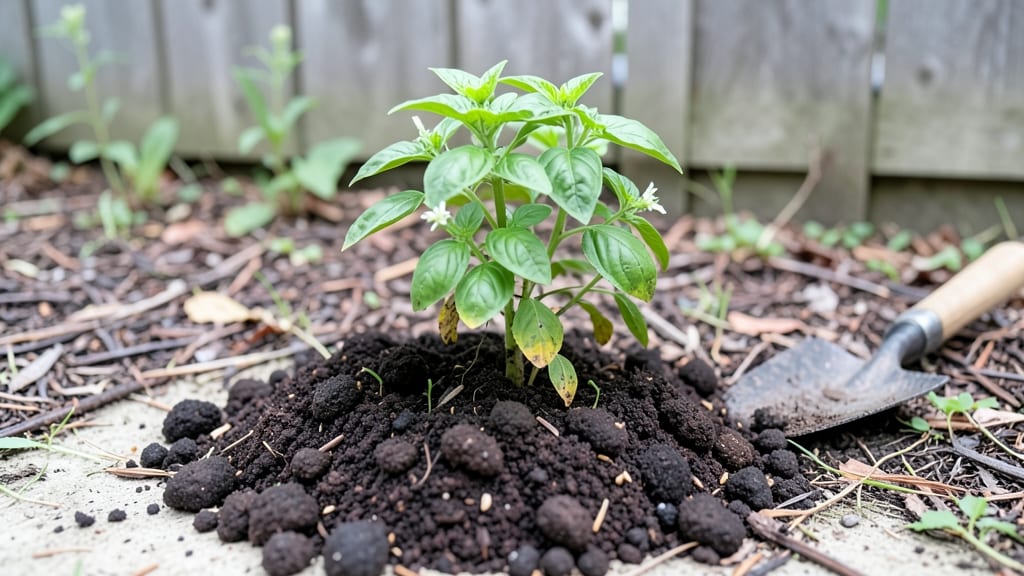
Using coffee grinds in the garden boosts soil fertility, adds nitrogen, deters pests like slugs and ants, and promotes microbial growth while gently acidifying the soil. Use them judiciously—overapplication can compact soil or encourage mold growth.
Coffee grinds work like a natural fertilizer because they're rich in nitrogen, a key nutrient plants crave for leafy growth. 🌱 The caffeine in grinds acts as a mild pesticide, keeping pests at bay while the organic matter breaks down to improve soil structure over time.
I’ve seen gardeners mix them into compost piles or sprinkle them around acid-loving plants like blueberries, but always in moderation—think of them as a supplement, not a replacement for balanced fertilization.
For best results, work fresh grinds into the top inch of soil or use them as mulch. Store them in a sealed container to prevent mold, and avoid using them on plants that prefer alkaline soil, like lavender or rosemary.
The key is balance—too much can make your soil too acidic or compacted, so treat them as a bonus, not a miracle cure.
💡 In This Article
- How Coffee Grinds Boost Soil Health and Plant Growth
- Best Ways to Apply Coffee Grounds in Your Garden
How coffee grinds boost soil health and plant growth
Here's what's actually happening when you add coffee grinds to your garden: they act like a slow-release nitrogen fertilizer thanks to their high organic nitrogen content—about 2% by weight, which is comparable to fresh manure but less concentrated than synthetic nitrogen sources.
The grinds also contain beneficial compounds like caffeine (1-2% by weight) and tannins, which naturally repel pests while stimulating microbial activity in the soil. This microbial boost is critical because it helps break down organic matter faster, creating a more fertile growing environment.
The caffeine in coffee grinds works like a mild pesticide by disrupting the nervous systems of soft-bodied pests like slugs and ants, while the tannins act as a natural fungicide that suppresses harmful pathogens. What's fascinating is how these grinds attract earthworms—those soil engineers that aerate and enrich the earth.
Studies show earthworm activity increases by up to 30% in soil amended with coffee grinds compared to untreated soil, because the grinds create micro-habitats rich in organic carbon that worms love to consume. 🌱
One key difference between coffee grinds and other organic amendments like compost or manure is their pH impact. Fresh coffee grinds have a pH of about 6.2-6.8 but become more acidic (5.0-5.5) as they decompose, making them ideal for acid-loving plants like blueberries, azaleas, and hydrangeas.
Unlike compost (which is generally neutral) or manure (which can be alkaline), coffee grinds provide a gentle acidification that mimics the natural conditions these plants prefer. However, this acidifying effect is temporary—after about 3-6 months, the pH tends to stabilize.
The breakdown process begins immediately when grinds are added to soil. Microbes start decomposing the cellulose and lignin in the grinds within 24-48 hours, creating heat through microbial respiration—a process called "hot composting" when done in piles.
This heat helps sterilize the soil by killing weed seeds and pathogens, similar to how compost piles reach 130-160°F during active decomposition. The end result is a soil that retains moisture better, drains more efficiently, and provides a steady supply of nutrients to plants.
For comparison, coffee grinds provide about 1/3 the nitrogen of fresh manure but break down much more slowly, making them better for long-term soil improvement rather than quick plant growth.
Unlike compost (which adds a broad spectrum of nutrients) or worm castings (which are highly concentrated in microbes), coffee grinds are best used as a supplement rather than a primary amendment. Their real value lies in their ability to create a more hospitable environment for other soil organisms to thrive.
What most people don't realize is that the benefits of coffee grinds extend beyond just nitrogen. The grinds also contain trace minerals like magnesium, potassium, and phosphorus, though in smaller quantities. When used as mulch, they help suppress weeds by blocking sunlight while gradually releasing nutrients into the soil.
The key is balance—too much can create a compacted, anaerobic layer that harms root growth, while the right amount creates a thriving micro-ecosystem beneath your plants. ✨