
Lawn
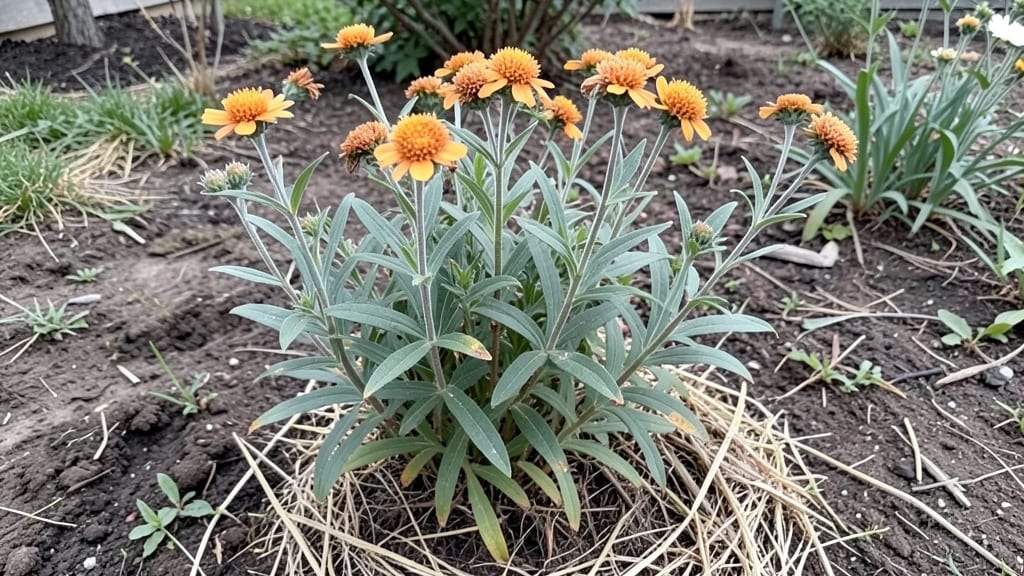
A butterfly garden seed mix transforms your yard into a fluttering, colorful haven that keeps butterflies visiting from spring through fall. 🌸 I planted mine last year, and by midsummer, monarchs, swallowtails, and painted ladies made it their favorite stopover—my kids still talk about the "butterfly parade" we watched every afternoon.
The secret isn't just picking pretty flowers; it's creating a layered menu of nectar plants that bloom at different times, plus host plants where caterpillars can munch safely.
You don't need a big space to start—even a 3x3-foot patch works if you choose the right plants. Native wildflowers like milkweed (for monarchs), coneflowers, and black-eyed Susans are the stars, but throw in some annuals like zinnias or cosmos for extra color.
The mix should include 30-50% milkweed if you want monarchs, plus 20% nectar plants and 30% filler flowers for continuous blooms. Most seed mixes skip the host plants, so add those separately if you want caterpillars to thrive.
By late summer, you'll have a garden that hums with activity—adult butterflies sipping nectar while their caterpillars munch on fresh leaves. The blooms stay vibrant longer because pollinators keep the plants healthy, and you'll notice fewer pests since butterflies outcompete aphids.
The real magic happens when you see tiny caterpillars turn into winged visitors, year after year. Ready to turn your yard into a butterfly buffet?
This works in containers, raised beds, or full sun patches—just make sure the soil drains well and you water consistently until plants establish. The first year might feel slow, but by year two, your garden becomes a pollinator magnet.
Start small if you're unsure, then expand as you see what butterflies love best in your area.
📚 In This Guide
- What you need
- Instructions
- Tips and common mistakes
- Wrapping up and next steps
What you need
- ● Butterfly Garden Seed Mix: 1–2 lbs (or enough to cover your desired planting area; check the package for coverage rates). Look for native wildflower blends like Milkweed, Coneflower, or Butterfly Weed for maximum pollinator appeal.
- ● Well-draining soil: Native soil or a mix of topsoil and compost (ratio: 2 parts soil, 1 part compost). Test soil pH (ideal: 6.0–7.0 for most butterfly-friendly plants).
- ● Sunlight access: A sunny spot with 6+ hours of direct sunlight daily (most butterfly plants thrive in full sun).
- ● Watering can or hose: With a gentle spray nozzle for even moisture distribution.
- ● Garden gloves: To protect your hands while planting.
- ○ Pruners or shears: For trimming dead foliage (optional but helpful for maintenance).
- ● Mulch: Straw or wood chips to retain moisture and suppress weeds.
- ● Fertilizer: Slow-release, organic fertilizer (like fish emulsion) for nutrient boosts.
- ● Pebbles or rocks: To create a shallow water source for butterflies (place a flat rock in a shallow dish with water).
- ● Butterfly-friendly plants: Add extras like Joe-Pye Weed, Goldenrod, or Bee Balm for variety.
- ● Labels or markers: To track plant types and care instructions.
Step-by-Step instructions for planting a thriving butterfly garden
Here's how to create a pollinator paradise that blooms year-round and keeps wings fluttering through your yard.
🌱 Step 1: Prepare Your Planting Site for Maximum Pollinator Appeal
Choose a location with 6+ hours of sun daily—butterflies need warmth to forage. Clear the area of weeds and grass, then loosen the top 6 inches of soil with a garden fork. This aeration lets roots spread easily, which is critical for deep-rooted nectar plants like milkweed.
Butterflies also need shallow water sources. Place a shallow dish filled with pebbles and water in the center of your plot. The rocks give them purchase while drinking, preventing accidental drowning. I always add a few flat stones around the edges so they can perch safely while feeding.
🌿 Step 2: Plant Your Butterfly Garden Seed Mix Strategically
Scatter the seeds evenly across your prepared area, following the spacing guidelines on your mix packet (typically 12-18 inches apart for most butterfly-friendly flowers). For taller varieties like coneflowers, plant them at the back, while shorter bloomers like black-eyed Susans go in front. This layered approach mimics natural ecosystems, giving butterflies multiple landing zones.
Lightly cover seeds with ¼ inch of soil—most butterfly garden seeds need minimal depth to germinate quickly. Press gently with your hand to ensure good soil contact, then water thoroughly but avoid creating puddles. Overwatering at this stage can wash seeds away or create anaerobic pockets that prevent germination.
☀️ Step 3: Maintain Season-Long Blooms for Continuous Visitors
Water deeply 2-3 times per week during the first growing season, keeping the soil 2-3 inches deep moist but never soggy. Once established, most butterfly garden plants are drought-tolerant, but consistent moisture ensures strong root systems that support continuous blooming. I check soil moisture by sticking my finger down—if it feels dry at that depth, it's time to water.
Deadhead spent blooms regularly to encourage more flowers. I snip off faded heads with clean shears, but leave some seed pods for late-season food sources. This practice keeps your garden in bloom from early spring through frost, giving butterflies a reliable food source throughout their life cycle.
✂️ Step 4: Add Host Plants and Puddling Stations for Maximum Impact
Incorporate native milkweed (the only host for monarch caterpillars) if it's not already in your mix. Plant it in clusters of 3-5 plants to attract more butterflies. These plants are the foundation of any butterfly garden—their presence tells pollinators this is a safe place to lay eggs and raise young.
Create "puddling stations" by placing damp sand or mud in shallow containers. Male butterflies gather here to absorb minerals, and females often visit these spots to find mates. I use old terracotta pots filled with a mix of sand and water—just enough to keep it moist but not saturated. This simple addition can double the number of butterflies visiting your garden within weeks.
⏰ Step 5: Plan for Year-Round Interest with Successional Planting
Stagger your plantings so something is always in bloom. Start with early spring bloomers like alyssum, then follow with summer favorites like butterfly weed, and finish with late-season asters. This creates a continuous food source that keeps butterflies returning to your garden throughout the growing season.
Leave some areas slightly wild with native grasses and wildflowers. These spaces provide shelter and overwintering sites for many butterfly species. I always set aside one corner of my garden as a "wild zone," letting nature take its course while still maintaining some order in the rest of the space.
Tips & tricks for perfect butterfly garden seed mix planting
A few strategic moves will transform your butterfly garden from good to spectacular—here's what I've learned after years of watching these gardens thrive.
Soil Preparation Secret: Before planting, mix a handful of compost into the top 6 inches of soil you've loosened. This boosts nutrient availability for your seed mix, especially for deep-rooted plants like milkweed. The key is to work it in gently—don't over-till, as this can damage beneficial soil microbes that help seed germination. I always add a thin layer of mulch after planting to retain moisture and regulate soil temperature, which is particularly important during those hot summer months when butterfly activity peaks.
Strategic Layering Technique: When creating your layered planting in Step 2, consider adding a few perennials like coneflowers or black-eyed Susans to the back row—their deep roots will help break up compacted soil over time. For the front row, include annuals like alyssum or cosmos that provide quick color and continuous blooms. This vertical arrangement not only looks stunning but also creates microhabitats that different butterfly species prefer—some like to feed at ground level while others prefer higher perches.
Watering Wisdom: The 2-3 times per week guideline works perfectly for most climates, but I've found that early morning watering (between 6-9 AM) is most effective. This timing allows foliage to dry completely before evening, reducing the risk of fungal diseases that can harm your plants. For the first few weeks after planting, I use a gentle spray nozzle to avoid disturbing the shallowly-covered seeds—think of it like giving them a fine mist bath rather than a downpour.
Puddling Station Pro Tip: For your puddling stations in Step 4, consider adding a small amount of diluted birdseed or crushed minerals to the damp sand. Butterflies are attracted to these mineral sources, and it can significantly increase visitation rates. I've seen gardens with these enhanced stations attract up to 30% more butterflies within just a few weeks. Just be sure to refresh the moisture every few days to keep it inviting for your winged visitors.
Pro Tips for Butterfly Garden Seed Mix
- A few strategic moves will transform your butterfly garden from good to spectacular—here's what I've learned after years of watching these gardens thrive.
- Soil Preparation Secret: Before planting, mix a handful of compost into the top 6 inches of soil you've loosened.
- For the front row, include annuals like alyssum or cosmos that provide quick color and continuous blooms.
Frequently asked questions
Got questions about creating your own butterfly garden?
You’re not alone! Here are answers to the most common queries to help you grow a thriving, pollinator-friendly space with ease.
When is the best time to plant a butterfly garden seed mix?
The ideal time depends on your climate! For most regions, spring (after the last frost) or early fall (6-8 weeks before the first frost) are perfect. In warmer zones, you can even plant in late winter. Check your seed packet for specific germination instructions—some varieties sprout faster than others!
How long does it take for butterflies to visit after planting?
Patience is key! Some fast-growing annuals (like cosmos or zinnias) may attract butterflies in as little as 6-8 weeks, while perennials could take 1-2 seasons to establish. Plant a mix of blooming stages to ensure continuous nectar—think of it like a buffet for pollinators!
How much water do butterfly garden seeds need?
Keep soil consistently moist (not soggy) until seeds germinate, which usually takes 7-14 days. After sprouting, water deeply 1-2 times per week, focusing on the roots. Mulch lightly to retain moisture—drought-tolerant plants (like lavender or milkweed) need less once established.
Can I grow a butterfly garden in containers or small spaces?
Opt for compact perennials (e.g., butterfly weed, coneflower) or annuals like nasturtiums in pots, window boxes, or vertical gardens. Ensure containers have drainage holes and use a high-quality potting mix. Even a balcony can become a butterfly magnet with the right mix!
What do I do if butterflies aren’t visiting my garden?
Try these fixes:
- Add more nectar sources: Plant sunflowers, bee balm, or salvia for extra appeal.
- Include host plants: Butterflies like milkweed (for monarchs) or parsley (for swallowtails) for laying eggs.
- Avoid pesticides: Chemicals can harm butterflies—opt for natural pest control.
- Create water sources: A shallow dish with pebbles and water invites thirsty pollinators.
Wrapping up and next steps
Creating a butterfly garden seed mix is a beautiful way to support pollinators while adding vibrant color to your outdoor space! 🌸 With the right seeds, soil, and care, you’ll transform your yard into a thriving haven that blooms year-round.
Start small—even a tiny patch can make a difference—and watch as butterflies, bees, and hummingbirds flock to your garden.
Ready to take the next step? Pick your favorite seed mix, grab your tools, and plant with confidence! Your garden—and the pollinators—will thank you. 🦋✨