
Tools
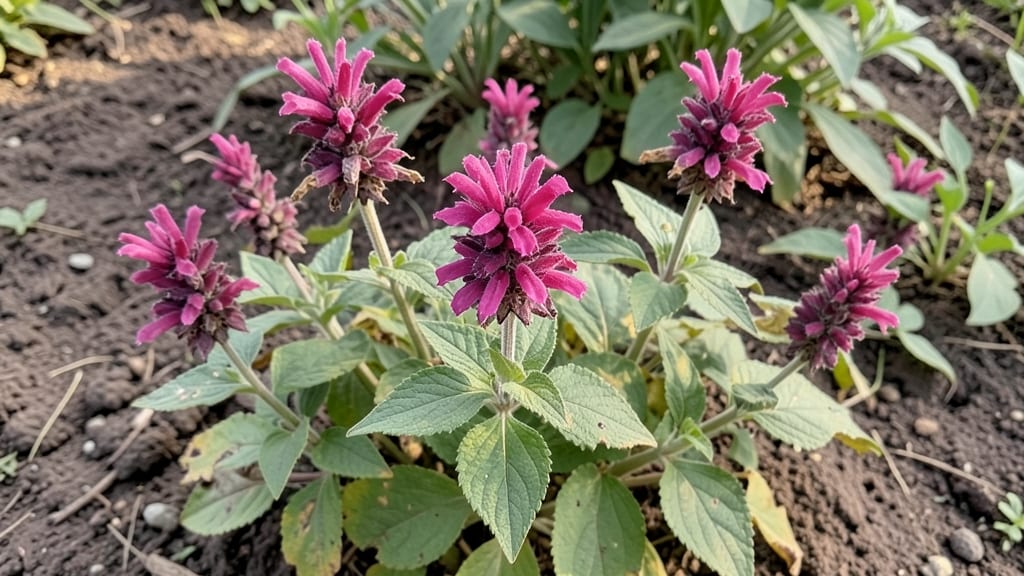
A butterfly garden background transforms your yard into a fluttering paradise where every season feels alive. 🌿 I remember the first time I watched monarchs drift through my garden—it felt like magic, and I knew I’d never go back to ordinary plants.
The key isn’t just pretty flowers; it’s creating a layered habitat where butterflies can feed, rest, and even lay eggs.
Start with native plants—they’re the secret weapon, offering nectar and host plants for caterpillars. Pair bold blooms like milkweed (for monarchs) with delicate flowers like asters or coneflowers for year-round color.
A water source, even a shallow dish, becomes a butterfly oasis, while perches like flat rocks let them rest after feeding.
By mid-summer, your garden will buzz with activity as butterflies flit between layers of foliage and blooms. The right mix keeps them coming back, and your yard becomes a pollinator haven that neighbors will envy.
Layering plants by height and bloom time ensures food is always available, turning your garden into a living tapestry of color and life.
This works in small spaces or large yards—adjust plant sizes and add seasonal blooms like salvias or goldenrods for extra appeal. The best part? Every time you see a butterfly land, you’ll know you’ve created something truly special. Let’s get planting!
📚 In This Guide
- What you need
- Instructions
- Tips and common mistakes
- Wrapping up and next steps
What you need
- ● Native flowering plants (5–10 varieties) – Choose nectar-rich blooms like milkweed (for monarchs), coneflowers, butterfly bush, and black-eyed Susans. Aim for at least 3–5 plants per type to ensure continuous blooms.
- ● Host plants (2–4 species) – Critical for caterpillars! Include milkweed (monarchs), parsley (swallowtails), or ferns (hairstreaks). Plant 1–2 per species in clusters.
- ● Potting soil (2–3 bags, 40 lbs each) – Use a well-draining, organic-rich mix (e.g., Miracle-Gro Garden Soil or FoxFarm Ocean Forest).
- ● Mulch (1–2 bags, shredded hardwood or pine) – Retains moisture and suppresses weeds. Apply a 2–3 inch layer around plants.
- ○ Watering can or hose with a gentle spray nozzle – Butterflies need shallow water sources! Add a small dish with pebbles (optional but highly effective).
- ● Garden gloves (1 pair) – Protect your hands from thorns and dirt.
- ● Hand trowel or small shovel – For planting and soil amendments.
- ● Pruners (1 pair) – Keep plants trimmed and encourage new growth.
- ○ Measuring tape (optional) – Helps plan spacing (aim for 12–18 inches between plants).
- ○ Stakes or trellises (optional) – Supports climbing plants like passionflower or morning glories.
- ● Rocks or flat stones – Creates basking spots for butterflies to warm up.
- ● Birdbath or shallow dish with marbles – Provides water without drowning tiny pollinators.
- ● Pollinator-friendly fertilizer (e.g., fish emulsion) – Boosts plant health without chemicals.
- ● Solar-powered bug zappers (if pests are an issue) – Keeps gardens pest-free naturally.
How to create a thriving butterfly garden background layer
Here’s how to build the foundation that keeps butterflies visiting all season—layer by layer.
🌿 Step 1: Select Native Host Plants for Caterpillars
Butterflies need host plants where their caterpillars can feed. I always start with native milkweed for monarchs and passionflower vines for Gulf fritillaries. These plants are non-negotiable—they’re the only food sources caterpillars will accept. Check your region’s native plants; local nurseries often carry them.
Space these plants 12-18 inches apart in partial shade to full sun. Butterflies will find them easily if they’re visible from multiple angles. If you’re working with limited space, even a single milkweed plant can attract dozens of monarchs in a season.
🌱 Step 2: Add Nectar-Rich Background Plants
Now it’s time for the showstoppers—the flowers that keep adult butterflies lingering. I mix coneflowers, black-eyed Susans, and bee balm for long bloom times. These perennials provide nectar from early summer through fall, which is when butterflies are most active.
Plant these 18-24 inches apart in clusters of 3-5. Butterflies navigate by color, so grouping similar hues (like purples or yellows) makes them easier to spot. Avoid double-flowered varieties—they often lack the pollen and nectar butterflies need.
☀️ Step 3: Include Water Sources and Shelter
Butterflies need water, but they won’t use a birdbath—it’s too dangerous. Instead, I add a shallow dish filled with pebbles and water, placed where leaves can provide shade. This gives them a safe place to drink without drowning. Place it 6-12 inches off the ground where butterflies can land easily.
Add dense shrubs or tall grasses like switchgrass or little bluestem for shelter. Butterflies roost at night, and these plants protect them from wind and predators. A mix of sun and shade in your background layer keeps the microclimate stable, which butterflies love.
⏰ Step 4: Maintain Season-Long Bloom and Minimal Chemicals
Deadhead spent blooms every 2-3 weeks to encourage continuous flowering. I always check for new buds forming—this keeps the garden productive without overworking the plants. Butterflies rely on fresh nectar, so don’t let flowers go to seed too quickly.
Skip pesticides entirely. Even "organic" sprays can harm butterflies. Instead, handpick pests like aphids or use neem oil as a last resort—it’s less toxic to pollinators. A healthy butterfly garden thrives on balance, not chemicals.
Tips & tricks for perfect butterfly garden backgrounds
A few key strategies will transform your garden into a butterfly magnet that thrives all season long.
The Host Plant Priority: Don't skimp on native milkweed—it's the single most important plant for monarch butterflies. I've seen gardens with beautiful flowers but no monarchs because they skipped this essential host plant. If space is tight, prioritize milkweed over other flowers. Even just one well-placed milkweed plant can attract dozens of butterflies in a season.
Color Grouping Secret: Butterflies navigate by color, so group plants with similar hues in clusters of 3-5. I always create purple patches with coneflowers and bee balm, and yellow zones with black-eyed Susans. This visual organization makes it easier for butterflies to find nectar sources quickly. Think of it like creating colorful landing pads for your winged visitors.
Water Source Safety: That shallow dish with pebbles isn't just decoration—it's a lifesaver for butterflies. I've watched them carefully land on the pebbles to drink without falling in. Place it where leaves can provide shade to prevent evaporation, and position it 6-12 inches off the ground where butterflies can land comfortably. This simple setup can double your butterfly visits overnight.
Deadheading Strategy: The 2-3 week deadheading schedule isn't just about looks—it's about keeping your garden productive. When you remove spent blooms, you're encouraging plants to produce more flowers, which means more nectar for butterflies. I always check for new buds forming before deadheading—this keeps the flowering cycle continuous and attracts butterflies for longer periods.
Pro Tips for Butterfly Garden Background
- A few key strategies will transform your garden into a butterfly magnet that thrives all season long.
- The Host Plant Priority: Don't skimp on native milkweed—it's the single most important plant for monarch butterflies.
- Color Grouping Secret: Butterflies navigate by color, so group plants with similar hues in clusters of 3-5.
Frequently asked questions
Got questions about creating your own butterfly garden background?
You’re not alone! Here are some of the most common queries—plus straightforward answers to help you get started (or troubleshoot) with confidence.
What’s the best time of year to plant a butterfly garden?
For most U.S. regions, spring (March–May) is ideal—when temperatures rise and native butterflies emerge. However, fall (September–October) is a close second, giving plants time to establish roots before winter. If you’re in a mild climate, you can plant year-round! Just avoid extreme heat or frost.
How do I attract butterflies if my garden isn’t blooming yet?
No flowers? No problem! Start with host plants (like milkweed for monarchs or parsley for swallowtails) and nectar-rich weeds (e.g., dandelions or clover). Add a shallow water source (a muddy patch or saucer with rocks) and patience—butterflies will find you within weeks!
Can I make a butterfly garden on a budget?
Absolutely!
Skip expensive ornamentals and focus on native, low-cost plants like:
- Coneflowers ($1–$3 per plant)
- Black-eyed Susans (seeds cost pennies!)
- Milkweed (free if self-seeding)
Why aren’t butterflies visiting my garden?
Check these common pitfalls:
- Missing host plants: Butterflies need larval food (e.g., hollyhocks for red admirals).
- Pesticides: Even "organic" sprays can harm pollinators. Try neem oil or handpicking pests.
- No sun: Most butterflies bask in 6+ hours of sunlight daily.
- Lack of diversity: Plant in layers (tall, medium, ground cover) for varied nectar.
Are there easy alternatives if I can’t garden outdoors?
Yes! Try:
- Balcony/patio gardens: Use window boxes or hanging planters with butterfly-friendly flowers (e.g., fuchsia, lantana).
- Indoor butterfly habitats: Grow herbs like parsley or dill in pots near a sunny window.
- Community projects: Partner with local schools or parks to adopt a pollinator plot.
Wrapping up and next steps
Creating a butterfly garden background is more than just adding beauty to your space—it’s a gift to nature that keeps on giving! 🌸 With the right plants, placement, and care, you’ve got the power to turn any corner into a thriving pollinator paradise.
Whether you’re a seasoned gardener or just starting, every little effort makes a difference.
Ready to take the next step? Start small—plant a few native flowers, set up a water source, or even just add a butterfly-friendly plant to your existing garden. Your pollinator pals will thank you! 🦋