
Size
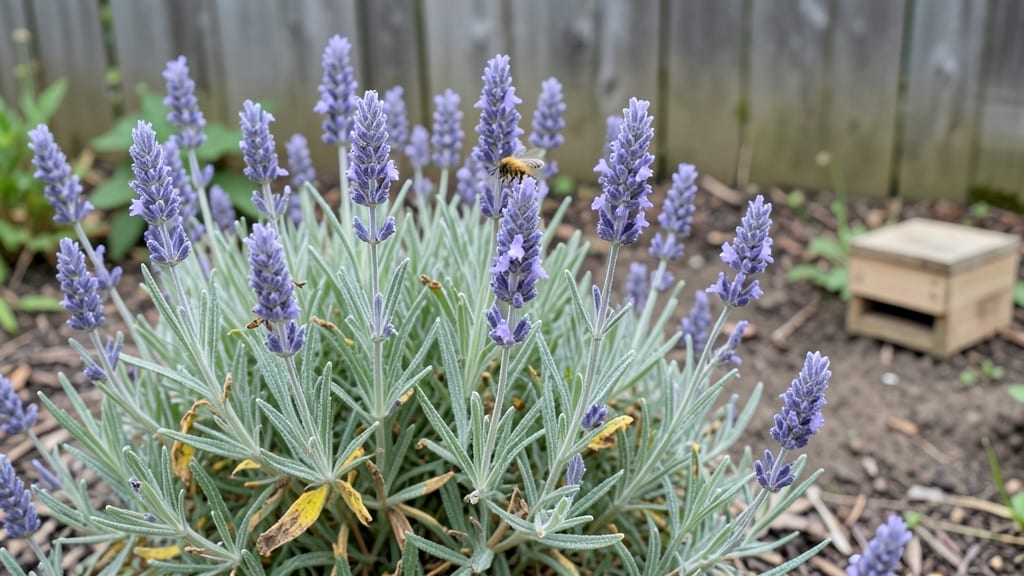
Growing a garden that honey bee grow a garden value—one that sustains them year-round—isn’t just about beauty; it’s about crafting a home where they can feed, flourish, and keep your ecosystem buzzing. 🌿 I learned this the hard way when my first pollinator garden attracted bees for only two months before... they vanished, leaving me wondering where they'd gone.
The secret lies in layering plants that bloom from early spring through late fall, providing both nectar and pollen at every stage.
Start with native plants like milkweed for monarchs and bees, then add herbs like lavender and thyme for their hardy blooms and fragrance. Mix in bee-friendly crops such as sunflowers and borage, and cluster them in groups of three or more to create visible feeding stations.
Avoid pesticides entirely—even "organic" sprays can harm bees, and providing a shallow water source with pebbles for landing spots makes a world of difference.
By mid-summer, you'll see bees buzzing continuously, and the garden will hum with activity—literally. The payoff isn't just in the bees but in the explosion of biodiversity that follows: more butterflies, birds, and beneficial insects that keep your garden healthy.
Even in winter, evergreens like rosemary and winter honeysuckle provide shelter and late-season forage.
This approach works in any size space, from a small backyard to a balcony container garden. The key is consistency—bees remember reliable food sources, and once they find yours, they'll keep coming back. Let's get your garden buzzing all season long.
📚 In This Guide
- What you need
- Instructions
- Tips and common mistakes
- Wrapping up and next steps
What you need
- ● Native flowering plants (perennials & annuals): 5–10 plants per species (e.g., Echinacea, Lavender, Milkweed, Goldenrod, Coneflower)
- ● Mix of early, mid, and late-season bloomers for continuous nectar
- ● Soil amendments: 5 lbs compost or worm castings per 10 sq ft
- ● 1 lb organic fertilizer (e.g., fish emulsion or bone meal) per 100 sq ft
- ● Watering supplies: Drip irrigation system or a watering can with a long spout
- ● 5-gallon watering jug (for seedling care)
- ○ Protective gear (optional but recommended): Beekeeping veil (if handling hives or swarms)
- ● Gloves & long sleeves (for prickly plants like Thistle)
- ● Hive or bee habitat (if introducing bees): 1–2 top-bar hives or solitary bee blocks (for native bees)
- ● Beekeeping starter kit (includes smoker, hive tool, frame assembly)
- ● Pollinator-friendly structures: 1–2 bee hotels (for solitary bees like mason bees)
- ● Rock piles or bare soil patches (for ground-nesting bees)
- ● Pest control: Neem oil spray (1 tbsp per gallon of water)
- ● Ladybugs or praying mantis eggs (natural predators)
- ● Seasonal boosters: Wildflower seed mix (for filling gaps between planted flowers)
- ● Mulch (straw or wood chips, 2–3 inches deep)
- ● Monitoring tools: Hand lens (10x magnification for inspecting plants/bees)
- ● Journal or app (to track blooms, bee activity, and garden progress)
How to design a pollinator haven that honey bees will love
Here's the blueprint I use to create gardens that buzz with activity all season long.
🌱 Step 1: Plan for Continuous Bloom Cycles
Bees need food year-round, so I design my garden in three layers: early spring bloomers, mid-season favorites, and late-season staples. Start with 10-15% of your space dedicated to early bloomers like crocus or hellebore that emerge when temperatures hit 40°F. These provide the first pollen source when bees wake from winter.
Next, fill 50-60% of your garden with mid-season bloomers like coneflowers, black-eyed Susans, and lavender. These peak when bees are raising their brood. Finally, reserve 20-30% for late-season bloomers like asters and goldenrod that keep bees fed as temperatures drop toward 50°F. I always include at least three different bloom times to ensure bees never go hungry.
☀️ Step 2: Position for Maximum Sun and Shelter
Bees prefer sunny spots with 6+ hours of direct sunlight daily, so I position my pollinator garden in the warmest, most sheltered area. South-facing beds get the most consistent sun exposure. I also add 2-3 small shrubs like butterfly bush or serviceberry at the garden's edge to provide wind protection while still allowing flight paths.
Create shallow water sources using flat stones or a small dish filled with pebbles and water. Bees need hydration but can't swim, so they'll land on the pebbles to drink safely. Place water stations 10-15 feet from the main planting area to keep them out of heavy traffic zones.
🌿 Step 3: Incorporate Native Plants and Bee-Friendly Flowers
Native plants are the backbone of any bee garden because they've co-evolved with local pollinators. I focus on 5-7 varieties that provide both nectar and pollen. Good choices include purple coneflower, bee balm, and wild bergamot. These plants have flat or tubular flowers that make it easy for bees to access nectar.
Add 3-5 varieties of herbs like thyme, oregano, and borage for extra bee appeal. These provide both food and shelter. I space plants 12-18 inches apart to allow bees room to move between flowers. Cluster similar plants together to create visual "landing zones" that bees recognize easily.
✂️ Step 4: Maintain Low-Maintenance Care Practices
Bees prefer gardens with minimal chemical interference, so I avoid pesticides entirely. Instead, I use 1-2 inches of mulch around plants to retain moisture and suppress weeds. This keeps the garden healthy without disturbing bee activity. I also avoid deadheading flowers unless absolutely necessary—bees rely on seed heads for late-season food.
Water deeply 2-3 times per week during dry spells, aiming for 1 inch of water per week. Early morning watering prevents evaporation and keeps flowers dry, reducing fungal risks. I always check soil moisture by feeling 2 inches below the surface—if it's dry, it's time to water.
🪴 Step 5: Add Nesting Sites and Year-Round Resources
Include bare ground patches or small piles of untreated wood to provide nesting sites for solitary bees. These bees make up 70% of all bee species and need safe places to lay eggs. I also add 3-5 small bee hotels (available at garden centers) for mason and leafcutter bees.
Leave some last year's plant stems standing through winter—they provide shelter and early-season food. I also plant 2-3 evergreen shrubs like winterberry or inkberry to offer year-round structure and protection from winter winds. These small additions make a big difference in keeping bees active all season.
Tips & tricks for perfect pollinator haven
Creating a thriving pollinator garden takes more than just planting flowers—it's about thinking like a bee. Here are the game-changing details that'll make your garden buzz with activity all season.
Layering for Temperature Tolerance: The 40°F and 50°F temperature markers in Step 1 aren't just arbitrary—they reflect when bees become active and when they need food most. Early bloomers like crocus emerge precisely when bees wake from winter dormancy at 40°F, while late-season asters provide crucial nutrition as temperatures drop toward 50°F. I always check my local bee activity charts to fine-tune these transitions for my climate zone.
Sunlight Strategy: That 6+ hours of sunlight requirement in Step 2 is non-negotiable for honey bees—they generate body heat by shivering their flight muscles, and sunlight helps them regulate temperature. South-facing beds get the most consistent sun exposure, but I've found that adding reflective surfaces like light-colored gravel or mulch can help extend sunlight exposure in north-facing areas by up to 30 minutes.
Plant Spacing Secret: The 12-18 inch spacing in Step 3 creates perfect flight paths for bees to move efficiently between flowers. I've noticed bees actually create "highways" between clusters of similar plants, so grouping 3-5 varieties together (as suggested) creates visual landing zones they recognize instantly. This clustering also makes maintenance easier—you can water and mulch entire sections at once.
Water Station Wisdom: Placing those water stations 10-15 feet away from main planting areas might seem counterintuitive, but it prevents bees from getting distracted by water when they should be foraging. I've seen bees completely ignore flowers when water sources are too close—this distance keeps them focused on the food sources you've worked so hard to provide.
Pro Tips for Honey Bee Grow A Garden Value
- Creating a thriving pollinator garden takes more than just planting flowers—it's about thinking like a bee.
- Layering for Temperature Tolerance: The 40°F and 50°F temperature markers in Step 1 aren't just arbitrary—they reflect when bees become active and when they need food most.
- Sunlight Strategy: That 6+ hours of sunlight requirement in Step 2 is non-negotiable for honey bees—they generate body heat by shivering their flight muscles, and sunlight helps them regulate temperature.
Frequently asked questions
Got questions about creating a honey bee-friendly garden? You’re not alone! Here are some of the most common queries—and their answers—to help you build a thriving pollinator haven with ease.
What are the easiest flowers to plant for honey bees?
Start with bee magnets like lavender, sunflowers, coneflowers, and bee balm. These are low-maintenance, drought-tolerant, and packed with nectar. Native wildflowers (e.g., milkweed, goldenrod) are also fantastic—they’ve evolved alongside local bees! Pro tip: Avoid double-flowered varieties (like some petunias)—bees can’t access their pollen.
How long does it take to see honey bees in my garden?
With the right plants, bees may visit within days if they’re already in your area! However, establishing a full pollinator garden takes 1–2 seasons for peak activity. Early bloomers (like crocus or daffodils) attract bees as soon as spring arrives. Patience pays off—once bees discover your garden, they’ll keep returning!
Can I grow a bee garden in a small space, like a balcony?
Even a window box or 5-gallon container can work. Opt for compact varieties like borage, thyme, or dwarf sunflowers. Hang a bee waterer or shallow dish with pebbles for hydration. Vertical gardens (with climbing plants like honeysuckle) maximize space while providing pollen. Pro tip: Use lightweight potting soil to avoid overloading small pots.
What should I avoid planting to protect honey bees?
Skip pesticides (even "bee-safe" ones can harm larvae) and non-native, hybridized flowers with little pollen. Avoid lawns—they offer no nutrition. Steer clear of invasive species (e.g., kudzu, English ivy) that outcompete native plants. Pro tip: Check your local Cooperative Extension for region-specific "no-plant" lists.
How do I keep my bee garden thriving year-round?
Layer plants with spring, summer, fall, and winter blooms. Examples:
Bees may be hesitant if they sense threats. Check for:
Mulch beds to protect roots and leave some "messy" areas—bees love leaf litter for shelter. Pro tip: Add a log or rock pile for overwintering solitary bees!
What do I do if bees seem scared or avoid my garden?
Start with 1–2 highly attractive plants (like lavender) to lure them in. Avoid sudden movements or loud noises near hives. Pro tip: Plant near existing bee activity (e.g., a neighbor’s garden or wild area) to guide them.
Wrapping up and next steps
Creating a pollinator haven with year-round blooms isn’t just rewarding—it’s a gift to your garden and the planet! 🌸 By thoughtfully selecting native plants, providing shelter, and avoiding pesticides, you’ll attract honey bees, boost biodiversity, and enjoy a thriving ecosystem. Every small step counts, so start where you can—whether it’s a single pot or a full backyard transformation.
Ready to take action? Pick one plant or task this week—plant a seed, research local pollinators, or sketch your dream garden. The bees (and your future harvests!) will thank you. 🐝✨