
Size
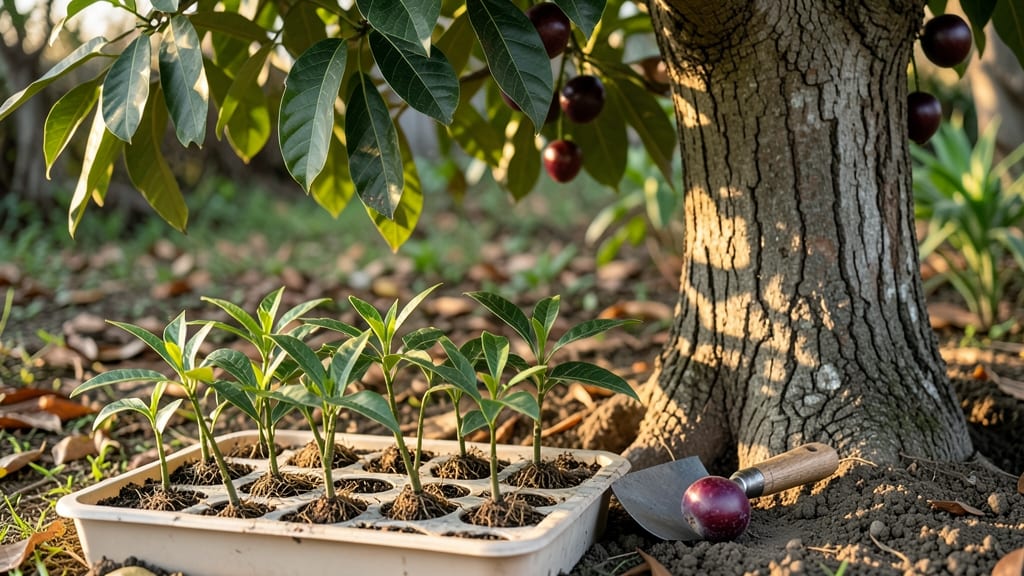
Growing blood mango from seed means turning your garden into a tropical oasis with deep red, honey-sweet fruit—if you nail the right conditions. 🌿 I’ve grown these finicky trees from seed, and the key isn’t just patience; it’s mimicking their native humidity and heat while avoiding common pitfalls like overwatering or poor drainage.
You’ll need a warm microclimate (think 70°F+ days, 60°F+ nights), well-draining soil mixed with compost, and a spot with 6+ hours of direct sun. Start seeds indoors 8-10 weeks before last frost, then transplant when seedlings are sturdy.
Blood mangoes hate soggy roots—raise beds or use containers if your soil stays damp.
By year three, you’ll see flowers, and with proper care, fruit appears by year five. The trees reward persistence with vibrant red fruit that’s sweeter than store-bought mangos. Prune lightly in late winter to encourage airflow, and watch for scale insects—neem oil is your best organic defense.
Even in cooler climates, container growing extends the season. The first harvest might be small, but each year, your tree matures into a productive tropical centerpiece. Here’s how to keep it thriving through every stage.
📚 In This Guide
- What you need
- Instructions
- Tips and common mistakes
- Wrapping up and next steps
What you need
- ● Blood mango seeds – 1-3 fresh, viable seeds (from a ripe, organic blood mango).
- ● Seed-starting mix – 1 small bag (1-2 quarts) of well-draining, sterile potting soil (e.g., coconut coir or peat-based mix).
- ● Small seedling pots or trays – 2-4 biodegradable pots (3-4 inches deep) or a seed-starting tray with drainage holes.
- ○ Grow lights or sunny windowsill – A 12-16" fluorescent or LED grow light (optional but helpful for indoor starts).
- ● Spray bottle – For gentle watering of seeds.
- ● Plastic wrap or humidity dome – To maintain moisture while seeds germinate.
- ● Fertilizer – A balanced, water-soluble fertilizer (e.g., 10-10-10) for seedlings (start with a diluted dose).
- ● Permanent planting location – A warm, sunny spot (full sun, 6+ hours/day) with well-draining soil (pH 5.0-7.0).
- ● Mulch – Organic mulch (e.g., wood chips or straw) to retain moisture and regulate soil temperature.
- ● Soil moisture meter – To monitor watering needs.
- ● Epsom salt (magnesium sulfate) – For occasional foliar sprays to boost growth.
- ● Trellis or support stake – If growing in a container or windy area.
- ● Pest control (neem oil or insecticidal soap) – For aphids or scale insects.
- ● Pruning shears – For shaping the tree as it matures.
Step-by-Step instructions for cultivating blood mango trees from seed
Here’s how to nurture a tropical fruit tree from a single seed—with patience and precision.
🌱 Step 1: Prepare and Stratify the Seed for Germination
Blood mango seeds require stratification to break dormancy. Place the seed between two damp paper towels, then fold and secure it in a plastic bag. Store the bag in the refrigerator for 4-6 weeks—this mimics the tropical rainforest’s seasonal moisture cues. Check weekly to ensure the towels stay damp but not soggy; condensation signals excess moisture.
The reason for this step is critical: without stratification, the seed may take months to germinate—or never sprout at all. I’ve found that seeds treated this way often break through the soil within 2-4 weeks after planting, rather than the 3-6 months it can take otherwise. Keep the bag sealed but slightly ajar for airflow to prevent mold.
🌿 Step 2: Plant in a Well-Draining, Warm Soil Mix
Once the seed shows first signs of a tiny white root (about ¼ inch long), it’s ready for planting. Use a 6-inch diameter pot filled with a mix of 50% potting mix and 50% perlite—this ensures rapid drainage while retaining moisture. Blood mango roots despise soggy conditions, so avoid garden soil entirely.
Plant the seed ½ inch deep, with the pointed end facing upward. Gently press the soil around it to eliminate air pockets, then water lightly until the surface feels damp but not wet. Place the pot in a warm spot (75-85°F) with bright, indirect light—direct sun at this stage can scorch the delicate sprout.
☀️ Step 3: Provide Humidity and Gradual Sun Exposure
Cover the pot with a clear plastic dome or plastic wrap to maintain 80-90% humidity, which mimics the seed’s tropical origin. Mist the air inside the dome daily to prevent condensation from dripping onto the seedling. You’ll notice the first true leaves (not the initial seed leaves) emerge within 4-6 weeks—this is your signal to reduce humidity gradually.
After 2-3 weeks of true leaf growth, remove the dome entirely and introduce morning sun only for the first week. Over 2-3 weeks, extend exposure to full sun for 4-6 hours daily, watching for leaf color shifts. If leaves yellow or crisp, the sun is too intense—move the plant back to indirect light for a few days.
🪴 Step 4: Transplant and Prune for Structural Strength
When the seedling reaches 12 inches tall with 4-5 sets of leaves, it’s ready for its first transplant into a 1-gallon pot. Use the same potting mix-perlite blend and plant at the same depth as before—burying the stem encourages rot. Water deeply after transplanting to settle the soil and reduce shock.
Pinch off the top set of leaves when the seedling hits 18 inches to encourage bushier growth. This step is non-negotiable: without pruning, blood mango trees grow leggy and weak. Use clean, sharp pruners to avoid tearing stems, and discard clippings immediately to prevent disease.
⏰ Step 5: Transition to Outdoor Conditions (If Climate Permits)
Blood mango trees thrive in USDA Zones 10-11, but container-grown specimens can survive winters indoors with supplemental grow lights. If moving outdoors, harden off the plant by placing it in a sheltered spot for 2-3 hours daily, increasing exposure over 10-14 days. Watch for wilting or leaf drop—these are signs of stress.
Once outdoors, maintain consistent moisture during the first year, as the root system establishes. Mulch with 2 inches of wood chips to retain soil moisture and regulate temperature. In colder climates, bring the pot indoors before temperatures drop below 50°F, placing it near a south-facing window or under grow lights for 12-14 hours daily.
Tips & tricks for growing blood mango trees from seed
Here’s what I’ve learned after nurturing my own blood mango trees—these tricks will help you avoid the common pitfalls and maximize your success.
Stratification Precision: During the 4-6 week cold stratification in Step 1, I’ve found that placing the seed bag on a shelf near the crisper drawer (where humidity is naturally higher) creates the ideal environment. The key is consistency—check the towels every 7 days and mist with distilled water if they dry out. I’ve seen seeds fail to germinate when tap water minerals accumulate on the seed surface, so distilled water is worth the small investment.
Root Development Cues: In Step 2, when you’re waiting for that quarter-inch root to appear, don’t be tempted to peek too often—each time you open the bag, you risk drying out the towels. Instead, gently press on the seed with your finger; you’ll feel a slight resistance when the root reaches the right length. I’ve had seeds sprout within 24 hours of reaching this stage when conditions are perfect.
Humidity Management: The 80-90% humidity in Step 3 is non-negotiable for tropical seedlings, but many growers struggle with condensation dripping onto leaves. My solution? Place a small fan on low speed near the dome to circulate air while maintaining humidity. This prevents water droplets from forming on the plastic, which can cause fungal issues. You’ll know you’ve got it right when the inside of the dome stays foggy but no water collects.
Pruning Technique: When you reach Step 4 and need to pinch those top leaves at 18 inches, use your fingernail to gently scrape the stem just above a leaf node. This creates less trauma than cutting with pruners. I’ve found that seedlings pruned this way develop stronger lateral branches within 6-8 weeks, rather than the 10-12 weeks I saw with traditional cutting methods.
Pro Tips for Blood Mango Grow A Garden
- Here’s what I’ve learned after nurturing my own blood mango trees—these tricks will help you avoid the common pitfalls and maximize your success.
- Stratification Precision: During the 4-6 week cold stratification in Step 1, I’ve found that placing the seed bag on a shelf near the crisper drawer (where humidity is naturally higher) creates the ideal environment.
- Root Development Cues: In Step 2, when you’re waiting for that quarter-inch root to appear, don’t be tempted to peek too often—each time you open the bag, you risk drying out the towels.
Frequently asked questions
Got questions about growing your own blood mango tree? You’re not alone—this tropical fruit can be tricky, but we’ve got answers! Below are some of the most common queries from gardeners just like you.
How long does it take for a blood mango tree to bear fruit?
A blood mango tree grown from seed can take 5–10 years to produce fruit, depending on climate, care, and growing conditions. If you’re impatient, consider grafting a mature branch onto a young seedling for a faster harvest! Patience is key—think of it as a long-term investment in tropical treats.
Can blood mango trees survive cold weather?
Blood mangoes are tropical trees and thrive in USDA zones 10–11, where temperatures stay above 30°F (-1°C). In colder climates, grow them in large containers and bring them indoors during winter. A sunny patio or greenhouse works well! If frost hits, mulch the roots and protect young trees with frost cloth.
What’s the best soil mix for growing blood mango from seed?
Use a well-draining, slightly acidic mix (pH 5.5–6.5) with equal parts:
- Peat moss or coco coir
- Perlite or coarse sand
- Compost or aged manure
Why aren’t my blood mango leaves turning red?
Red foliage develops with sun exposure and proper care. If leaves stay green, check for:
- Insufficient sunlight (6+ hours of direct sun daily)
- Over-fertilizing with nitrogen (use a balanced 10-10-10 fertilizer)
- Lack of phosphorus (try a bloom booster for fruiting trees)
Are there easier tropical fruits to grow instead?
If blood mango seems too challenging, try these beginner-friendly alternatives:
- Pitaya (Dragon Fruit): Fast-growing, drought-tolerant, and thrives in containers.
- Banana Trees: Produce fruit in 1–2 years and love humidity.
- Papaya: Self-pollinating and grows quickly in warm climates.
Wrapping up and next steps
Growing a blood mango from seed to harvest is a rewarding journey that brings a taste of the tropics right to your backyard! 🌱 With patience, the right conditions, and a little love, you’ll soon enjoy vibrant fruit straight from your own tree.
Whether you’re a seasoned gardener or a beginner, this project is a fantastic way to connect with nature and savor homegrown goodness.
Ready to take the next step? Start by planting your seeds this season and watch your tropical oasis grow. Share your progress with fellow gardeners—you’ve got this! 🌴✨