
Picking
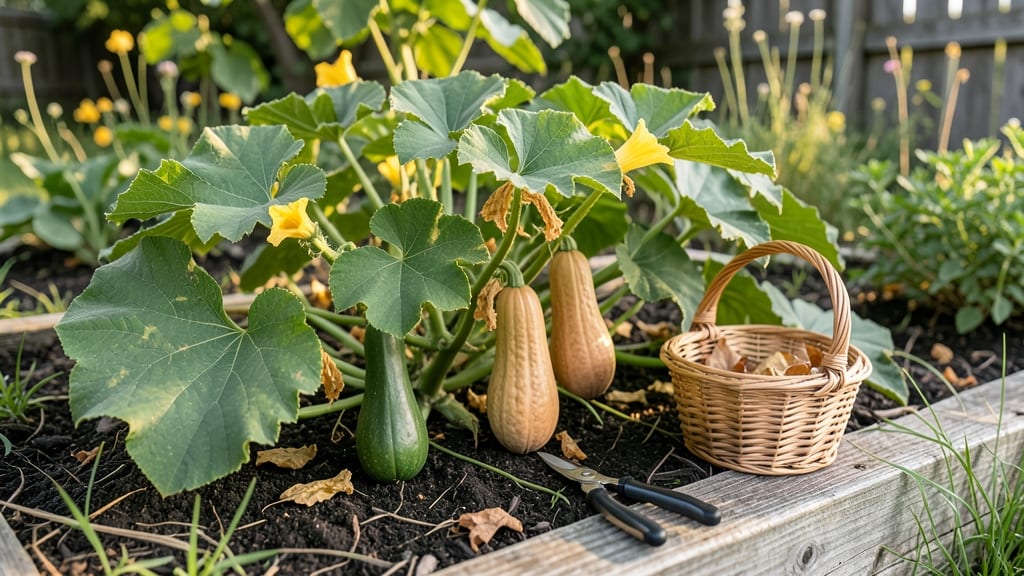
Knowing when to harvest butternut squash from the garden is key to unlocking sweet, tender flesh—wait too long, and you’ll end up with tough, stringy disappointment.
Butternut squash thrives in gardens but timing its harvest wrong can mean the difference between sweet, flavorful flesh and tough, bland disappointment—here’s how to nail it perfectly.
Look for a hard, dull skin (no puncture marks when pressed) and seeds that shift from green to white—these are your two key signs of ripeness. In Zone 6a, aim for late October to early November before the first frost hits.
Below, I’ll break down the exact color and texture cues, seasonal adjustments, and storage tips to keep your harvest fresh for months.
How to tell when butternut squash is ready to harvest by seed color & skin hardness
Harvesting butternut squash at the right time ensures maximum sweetness and texture. The two most reliable indicators are the seed color inside the fruit and the skin hardness. When these cues align, you’ve hit the perfect window—usually 75-100 days after transplanting—before frost sets in.
Many gardeners overlook the internal seed color, assuming only external signs matter. But a shift from green to white seeds signals peak ripeness. Pair this with a hard, dull skin that resists pressure, and you’ve got a squash ready for harvest.
Let’s break down these critical clues step by step.
Here’s how to compare the two key indicators side by side for quick reference:
<comparison-table>| Indicator | Not Ready | Ready to Harvest |
|---|---|---|
| Seed Color | Green | White or Cream |
| Skin Texture | Soft, Flexible | Hard, Dull, Resists Fingernail |
| Stem Condition | Moist, Green | Dry, Shriveled |
| Sound When Tapped | Hollow | Solid, Heavy |
The seed color shift is often the most overlooked clue. To check, gently slice open the squash near the stem. If the seeds are still green or yellowish, the fruit needs more time on the vine.
Once they turn white or cream-colored, it’s time to harvest. This change happens gradually, so monitor your squash every 3-5 days during the final weeks of growth.
Skin hardness is equally critical. A ripe butternut squash should have a hard, dull skin that resists pressure when you press your fingernail into it. If the skin gives slightly or leaves a dent, the squash isn’t ready.
Overripe squash will feel soft or mushy, and the skin may develop cracks or bruises. Harvest before this happens to avoid waste.
One common mistake is harvesting based solely on size or color. A large squash with a greenish tint isn’t necessarily ripe—it could be overgrown. Always combine seed color, skin hardness, and stem condition for accuracy.
For example, a squash with white seeds but soft skin should stay on the vine a few more days.
Regional climate plays a role too. In warmer zones (USDA 9-11), squash may ripen earlier and need harvesting by early October. In cooler zones (USDA 3-6), wait until late September or early October to avoid frost damage.
If frost threatens before your squash is ready, harvest it anyway—it’ll ripen indoors, though the flavor may be slightly less sweet.
Pro tip: Use a sharp pruning shear to cut the squash from the vine, leaving a 1-2 inch stem attached. This helps prevent rot during storage. After harvesting, let the squash cure in sunlight for 10 days to develop a thicker skin and deeper flavor.
Store in a cool, dry place with good airflow.
By mastering these two cues—seed color and skin hardness—you’ll consistently harvest butternut squash at its peak. The result? A sweeter, more flavorful squash that’s perfect for roasting, baking, or storing for winter. Happy harvesting! 🌾
Butternut squash harvesting timeline: days to maturity & seasonal adjustments
Butternut squash typically reaches maturity between 75 to 100 days after transplanting, but this window shifts based on your climate zone and planting time.
In cooler regions like USDA Zone 5, expect harvests in late September to October, while warmer zones like Zone 8 may extend fruiting until November or December. Understanding these variations helps you avoid premature or overripe harvests.
For gardeners in short-season areas, starting seeds indoors 4-6 weeks before the last frost date can push harvests earlier. Conversely, those in longer growing seasons might see second crops if vines remain healthy.
Always monitor frost dates—butternut squash cannot tolerate frost, so harvest before temperatures dip below 40°F (4°C).
| Stage | Days After Transplanting | Seasonal Adjustments | Key Indicators |
|---|---|---|---|
| Seedling | 14-21 days | Plant outdoors after soil warms to 60°F (15°C) | True leaves form, 2-3 inches tall |
| Flowering | 30-40 days | Pollinate by hand if bees are scarce (use a paintbrush) | Yellow flowers appear, vines spread 3-4 ft |
| Early Fruit | 50-60 days | Mulch to retain moisture in dry climates | Fruit grows 6-8 inches long, skin turns dull green |
| Peak Maturity | 75-100 days | Harvest before first frost (40°F/4°C threshold) | Hard rind, seeds white/brown, stem dries |
| Late Season | 100-110 days | Extend season with row covers or greenhouse | Skin woody texture, flavor less sweet |
If you planted seeds directly in the garden (rather than transplanting), add 10-14 extra days to the timeline. For example, seeds sown in early May in Zone 6 may not reach harvest until late October. Always check your local frost dates—using a frost calendar ensures you don’t miss the window.
Adjust for early harvests by choosing shorter-season varieties like 'Waltham Butternut' (80 days) or 'Gold Rush' (85 days). For late-season extensions, opt for 'Osage Candy Roaster' (100 days), which handles cooler temps better. Always prioritize hardiness over speed if frost is a risk.
After harvest, let squash cure for 10 days in a warm, dry spot (80-85°F/27-29°C) to develop flavor and storage life. This step is critical—skipping it reduces shelf life from 3-6 months to just 1-2 months. Store in a cool, dark place with 60-70% humidity for best results.
Pro tip: Mark your planting and transplant dates on a garden journal to track progress. This helps you predict harvest windows year after year and adjust for unpredictable weather. With practice, you’ll master the art of timing your butternut squash harvest like a pro! 🎃