
Diseases
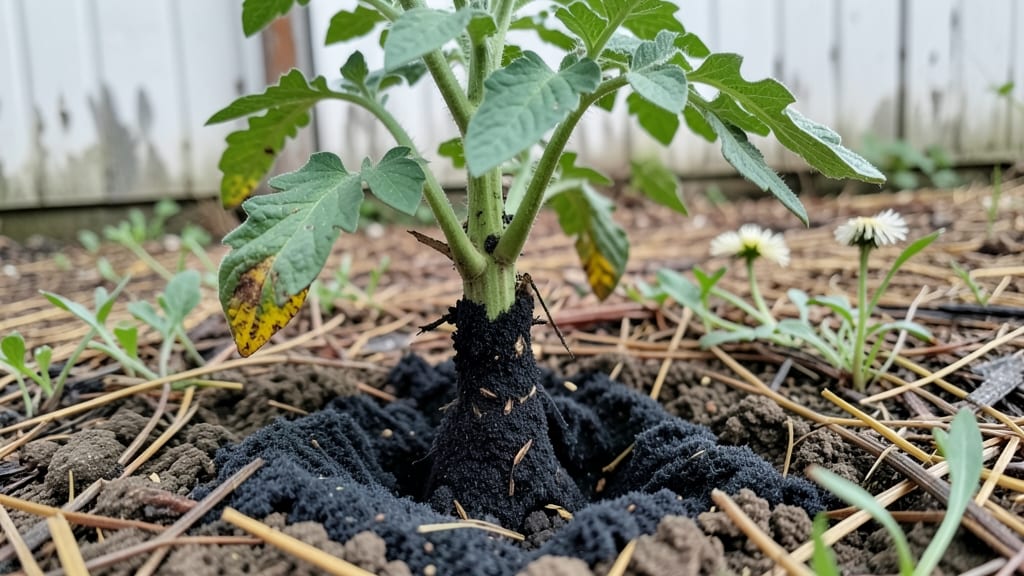
Black mold in your garden isn’t just unsightly—it’s a sign your plants are struggling, and the good news is you can fix it without harsh chemicals.
I’ve seen this fuzzy, black mess take over gardens when moisture lingers, but a few targeted steps can turn things around in just a few hours. The key is acting fast before it spreads to your prized tomatoes or peppers.
Most black mold appears when leaves stay damp too long, whether from overhead watering, poor airflow, or soggy soil. Unlike beneficial fungi, this stuff smothers plant tissue and blocks sunlight, leaving behind those telltale dark patches.
The fix starts with pruning infected areas—snip off the moldy parts with clean shears and dispose of them far from your garden. Then, improve airflow by spacing plants properly or adding trellises for vining crops.
For a quick fix, mix 1 tablespoon of baking soda with 1 quart of water and a drop of dish soap, then spray the affected plants in the morning. The baking soda raises the pH slightly, making it harder for mold to cling, while the soap helps it stick.
Within 24-48 hours, you’ll see new growth pushing through, and the black film will fade—no fungicides needed. The secret is consistency: repeat every 5-7 days until the problem disappears.
Prevention is where the real magic happens. Water at the base of plants in the early morning so leaves dry fast, and avoid mulching too thickly around stems. If your garden stays damp often, consider raised beds or containers with better drainage.
Trust me, once you’ve cleared this stuff out, your plants will reward you with healthier foliage and bigger harvests—no mystery chemicals required.
Hidden Triggers Behind Fungal Growth
Black mold in your garden isn’t just a random nuisance—it thrives because of specific conditions that create the perfect storm for fungal growth. Understanding these triggers is the first step to preventing (and eliminating) it for good.
Below, we break down the science-backed reasons why black mold takes hold in your outdoor spaces, so you can address the root causes—no fungicides required.
Black mold (Stachybotrys chartarum) is a water-loving fungus, and excess moisture is its #1 enabler. Here’s how it happens:
- Overwatering or soggy soil: Gardens with compacted or clay-heavy soil trap water like a sponge. If your plants are sitting in damp conditions for more than 24–48 hours, mold spores germinate and spread.
- Poor drainage: Low spots, sloped areas, or containers without drainage holes create stagnant water pools. Even "light" rain can turn these zones into mold incubators.
- Condensation & humidity: Greenhouses, cold frames, or covered planters with high humidity (above 60%) provide ideal conditions. Mold spores float in damp air and latch onto organic matter (like mulch or dead leaves).
💡 Pro Tip: Test your soil’s moisture by squeezing a handful—if water drips out, it’s too wet. Aim for soil that feels like a slightly damp sponge, not a wrung-out towel.
Black mold feeds on decaying plant matter, and gardens full of dead leaves, grass clippings, or rotting wood are all-you-can-eat buffets for it. Here’s why:
- Cellulose-rich materials: Mold thrives on organic matter like wood chips, mulch, and leaf litter because they contain cellulose—a primary component of fungal food.
- Stagnant water + debris = mold party: Piles of wet leaves or grass clippings create a microclimate where temperature and moisture stay high, speeding up decomposition—and mold growth.
- Hidden hotspots: Under shrubs, behind trellises, or in dense mulch layers, debris traps moisture and blocks airflow, turning these areas into mold factories.
🔥 Action Step: Clear away all dead plant material from garden beds, especially in shaded or low-traffic areas. Chip mulch finely (¼" pieces) to reduce moisture retention.
Black mold hates sunlight and airflow, which is why it loves hiding in:
- Shady or enclosed spaces: Direct sunlight kills mold spores with UV rays, but shaded areas (like under trees or fences) stay damp and dark—perfect for fungal growth.
- Overcrowded plants: Dense foliage traps humidity and blocks air circulation. Think: hostas, ferns, or ivy growing too close together.
- Poor ventilation: Greenhouses, cold frames, or even thick mulch layers create still air, which lets mold spores linger instead of dispersing.
✨ Quick Fix: Prune plants to improve airflow, and avoid planting moisture-loving species (like astilbes or impatiens) in tight clusters. Use raised beds or drip irrigation to keep soil dry.
Black mold grows fastest in warm, stable temperatures. Here’s the science:
| Temperature Range | Mold Growth Risk | Why It Matters |
|---|---|---|
| 60–80°F | ⭐⭐⭐⭐⭐ (High) | Ideal for spore germination and mycelium spread. Common in spring and fall when nights are cool but days warm. |
| 80–90°F | ⭐⭐⭐⭐ (Very High) | Speeds up fungal metabolism—mold can double in size in 24 hours if moisture is present. |
| Below 50°F or above 100°F | ⭐ (Low) | Slows growth but doesn’t kill spores. Mold can hibernate until conditions improve. |
🌡️ Smart Strategy: If your garden hits 70°F+ with high humidity, water in the early morning so foliage dries by afternoon. Avoid evening watering—it keeps plants damp overnight.
Now that you know the exact conditions fueling black mold, you can flip the script with targeted fixes. The key? Disrupt its comfort zone—drainage, airflow, and dry organic matter are your best defenses.
How to Fix Fungal Overgrowth Naturally
Black mold in your garden isn’t just unsightly—it can weaken plants, spread quickly, and even affect your health if spores drift indoors. The good news? You can tackle it without harsh chemicals, using simple, eco-friendly methods.
Below, we’ve mapped the most common causes of black mold to their best fixes, plus prevention tips to keep your garden thriving.
Black mold thrives in soggy conditions, often caused by overwatering or compacted soil that doesn’t drain well. If your plants are sitting in damp soil, fungal spores will take over fast.
🔥 Fix It: Improve Drainage & Reduce Moisture
- 🍳 Adjust Your Watering Routine
- Water deeply but only when the top 1–2 inches of soil feel dry (stick your finger in to check!).
- Water in the morning so excess moisture evaporates during the day.
- Avoid overhead watering—use a soaker hose or drip irrigation to target roots directly.
- 👨🍳 Amend the Soil
- Mix in compost, perlite, or coarse sand to improve drainage.
- For container plants, ensure pots have drainage holes and use a well-draining potting mix.
- 🥘 Raise Plant Beds (If Needed)
- If your garden has heavy clay soil, consider raised beds with a mix of topsoil and organic matter.
💡 Prevention Tip:
Mulch with straw or wood chips (not thick layers of bark) to retain moisture without suffocating roots. Keep mulch 2–3 inches away from plant stems to prevent rot.
Black mold loves low-light, high-humidity spots—think under dense shrubs, near fences, or in shaded corners where air doesn’t circulate.
🔪 Fix It: Boost Airflow & Sunlight
- ⏰ Prune for Better Airflow
- Thin out overgrown plants to let sunlight and air reach the soil.
- Remove dead or diseased leaves and stems (compost them far from the garden to avoid spreading spores).
- 🌡️ Increase Sun Exposure
- If possible, relocate shade-loving plants to slightly sunnier spots.
- Use reflective mulch (like white gravel) to bounce light onto shaded areas.
- 🎯 Install a Small Fan (For Severe Cases)
- In greenhouses or heavily shaded areas, a low-power fan can reduce humidity and prevent mold buildup.
✨ Prevention Tip:
Choose mold-resistant plants like lavender, rosemary, or thyme for shady spots—they naturally repel fungi with their aromatic oils.
Piles of leaves, grass clippings, or old mulch create the perfect breeding ground for black mold spores.
🔥 Fix It: Clear & Sanitize
- 🍳 Remove All Debris
- Rake up fallen leaves, dead plants, and weeds and dispose of them in a sealed bin (or compost them away from your garden).
- Avoid leaving grass clippings to pile up—mow and spread them thinly as mulch instead.
- 👨🍳 Disinfect Tools & Surfaces
- Clean gardening tools with a 1:10 bleach-water solution (rinse well afterward).
- Scrub benches, pots, and trellises with vinegar or hydrogen peroxide (3%) to kill lingering spores.
- 🥘 Replace Old Mulch
- If mulch is moldy, remove it completely and replace with fresh, dry mulch.
💡 Prevention Tip:
Use cedar or pine mulch—these naturally resist mold better than dyed or compressed mulches. Keep mulch layers 2–3 inches thick to prevent moisture buildup.
Plants under stress (from pests, nutrient deficiencies, or transplant shock) are more susceptible to black mold infections.
🔪 Fix It: Strengthen Plant Health
- 🍳 Feed with Fungal-Fighting Amendments
- Sprinkle neem cake or compost tea around the base of plants to boost immunity.
- Use a balanced, organic fertilizer (like fish emulsion or worm castings) to encourage strong growth.
- 👨🍳 Remove Affected Areas
- Trim off blackened leaves or stems with sterilized pruners.
- Avoid composting heavily infected plant material—bag and trash it instead.
- 🥘 Introduce Beneficial Microbes
- Apply a mycorrhizal fungus inoculant to help roots fend off mold naturally.
🎯 Prevention Tip:
Rotate crops yearly to prevent soil-borne pathogens from building up. Interplant with garlic, chives, or marigolds—their natural antifungal properties deter mold.
If black mold spores are drifting from your garden to patios, decks, or even your home, take these steps to contain them.
🔥 Fix It: Create a Barrier
- 🍳 Seal Gaps & Improve Ventilation
- Check for cracks in foundations, windows, or door frames and seal them with caulk.
- Install weather stripping on doors to block spore entry.
- 👨🍳 Clean Outdoor Surfaces
- Scrub patio furniture, decking, and tools with a mix of water and white vinegar (1:1 ratio).
- For stubborn mold, use a baking soda paste (baking soda + water) and scrub with a stiff brush.
- 🥘 Use a Dehumidifier Near Entry Points
- Place a small dehumidifier in garages or basements to keep humidity below 50%—mold thrives above 60%.
💡 Prevention Tip:
Keep houseplants away from garden doors/windows during mold season. If you must bring in fresh-cut flowers or herbs, rinse them under cold water to wash off spores.
With these targeted fixes, you can eliminate black mold in hours and keep your garden healthy long-term. The key? Act fast, improve airflow, and prevent future moisture buildup. Your plants—and your lungs—will thank you!
Frequently asked questions about black fungal growth in gardens
Is black mold in my garden dangerous for my plants?
Yes, black mold (often Stachybotrys) can weaken or kill plants by blocking sunlight and clogging pores. It spreads quickly in damp conditions, so act fast by removing infected leaves and improving airflow. Severe cases may require pruning entire branches to prevent further damage.
Can black mold in the garden affect my health?
While most garden mold isn't toxic, prolonged exposure to spores—especially in high humidity—may irritate lungs or trigger allergies. Wear a mask when cleaning moldy debris, and keep infected plants away from patios or play areas. Healthy adults usually face minimal risk, but immunocompromised individuals should take extra precautions.
How do I tell if it's black mold or just dirt on my plants?
Black mold appears as fuzzy, dark patches that feel slightly slimy when touched, while dirt usually rubs off easily. Hold a leaf up to light—mold will look velvety and may have a musty smell. If it spreads when wet, it's mold. Test with a damp paper towel: mold stains the towel black.
Will vinegar really kill black mold on plants?
Yes, but use it carefully! Mix 1 part white vinegar with 3 parts water and spray on affected areas in the morning (avoid direct sunlight after application). Vinegar lowers pH, creating an inhospitable environment for mold. Repeat every 3-4 days until the problem clears. For sensitive plants, test a small leaf first.
Why does black mold keep coming back even after I treat it?
Recurring mold usually means the root cause (excess moisture or poor airflow) isn't fixed. Check for hidden issues: compacted soil, overcrowded plants, or shaded areas. Improve drainage, space plants further apart, and water at soil level. If the problem persists, test your garden's humidity—keep it below 60% during warm weather.