
Pests
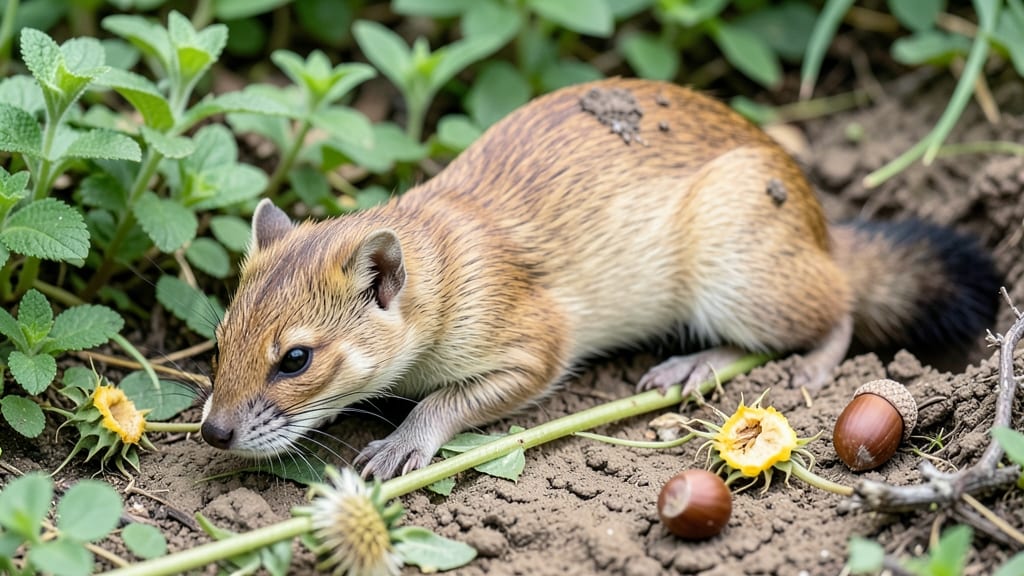
This keep chipmunks away from garden trick worked like magic—the second I sprayed peppermint oil along the edges, those tiny striped bandits vanished faster than they’d stolen my peas. 🌿 The secret isn’t some fancy trap or chemical; it’s using what chipmunks already hate: strong scents they can’t stand near their food sources.
This method works because it’s humane, chemical-free, and disrupts their foraging patterns without harming them or your plants.
You’ll need just three things: pure peppermint oil (the cheap stuff works fine), a spray bottle, and a little time to apply it every few weeks.
Mix a teaspoon of oil with a quart of water, shake it up, and spray a 2-inch-wide band around garden beds, especially near entry points like fence lines or tree bases.
The scent lingers long enough to deter them, but it’s safe for pets and kids once dry—just keep them from licking treated areas.
What you’ll get is a garden where your lettuce stays intact and your strawberries aren’t dug up overnight. The chipmunks move on to easier targets, and you avoid the frustration of losing half your harvest to tiny, relentless thieves.
Best part? This same trick works for squirrels and rabbits too, so you’re covering multiple pests with one simple solution.
For long-term results, combine this with habitat tweaks—remove brush piles where they nest, keep grass mowed, and use hardware cloth around vulnerable plants. Chipmunks are persistent, but they’re not invincible. With these layers, your garden stays theirs in name only.
The Root Causes of Chipmunk Garden Raids
Chipmunks may look like harmless, scurrying critters, but when they invade your garden, they can turn your hard work into a buffet—digging up bulbs, nibbling seedlings, and leaving behind messy burrows.
Understanding why they’re drawn to your outdoor space is the first step in outsmarting them. Let’s break down the science behind their behavior.
Chipmunks are omnivorous opportunists, and your garden is essentially a five-star restaurant to them. Their diet includes:
- Seeds and bulbs: Chipmunks have cheek pouches that can hold up to one-third of their body weight in food. They’ll bury seeds, nuts, and bulbs (like tulips or daffodils) to eat later—often right in your flowerbeds or vegetable patches.
- Fruits and veggies: Soft, juicy produce (tomatoes, berries, squash) is a chipmunk’s dream. They’ll gnaw through ripe fruit and strip leaves, leaving your plants looking like a salad bar disaster.
- Insects and larvae: These tiny rodents also snack on grubs, worms, and beetles, which they uncover by digging shallow trenches in soil.
If your garden is easily accessible and rich in their favorite foods, they’ll treat it like an all-you-can-eat buffet. Actionable insight: Remove fallen fruit, cover soil with mulch, and store harvested veggies indoors to reduce temptation.
Chipmunks need secure hiding spots to avoid predators (like birds, cats, and owls) and to raise their young. Your garden may unknowingly offer the perfect real estate:
- Dense ground cover: Thick mulch, leaf litter, or overgrown grass provide underground burrow material. They’ll dig tunnels with multiple entrances, often near fences or rocks.
- Rocky or wooded areas: Piles of stones, logs, or debris create natural barriers that shield them from view. A single stack of firewood can become a chipmunk condo!
- Unsecured structures: Gaps in sheds, decks, or even under porches give them dry, predator-free nesting spaces—especially in winter.
If your yard has plenty of hiding spots, chipmunks will move in permanently. Actionable insight: Clear debris, seal gaps, and avoid over-mulching near plants you want to protect.
Chipmunks need constant hydration, and they’ll seek out water from:
- Dripping hoses or sprinklers: A slow leak or a frequently watered area becomes a chipmunk watering hole. They’ll dig near these spots to stay cool and hydrated.
- Birdbaths or pet bowls: Shallow water sources are prime targets. Chipmunks will drink from them and even use them to bathe their fur.
- Dewy morning grass: In dry climates, chipmunks may lick dew off leaves or dig near damp soil to access moisture.
If water is easily accessible, they’ll linger longer—and that means more digging and munching. Actionable insight: Remove standing water, fix leaks, and place pet bowls indoors at night.
Chipmunks are most active during spring and fall, but their behavior shifts with the seasons:
- Spring (breeding season): Males become aggressive and will defend territories by digging up gardens to mark them. Females, meanwhile, cache food for their young, leading to widespread bulb theft.
- Fall (pre-winter prep): Chipmunks hoard food by burying nuts, seeds, and even stolen garden produce. This leads to massive digging as they create underground pantries.
- Winter (hibernation mode): While they don’t hibernate fully, they forage less but may still raid gardens if food is scarce.
If you notice sudden digging in spring or fall, it’s likely a chipmunk’s survival strategy in action. Actionable insight: Monitor activity peaks and protect vulnerable plants during these times.
Chipmunks are highly intelligent and adaptive. Once they discover a food source or safe route into your garden, they’ll:
- Memorize patterns: They learn where you plant, water, or harvest and return to those spots. A single successful raid makes your garden their go-to.
- Overcome simple deterrents: If you try a flimsy barrier (like chicken wire), they’ll dig underneath or chew through it.
- Recruit others: Chipmunks communicate with chirps and scent-marking, so one visitor can signal a whole colony to your garden.
If they’ve already visited once, they’ll keep coming back—unless you disrupt their routine. Actionable insight: Use stronger deterrents (like peppermint oil or physical barriers) and remove evidence (like burrows or chewed plants) to break their habit.
Natural Ways to Repel Chipmunks
Now that you understand why chipmunks are invading your garden, it’s time to take action with effective, humane, and eco-friendly solutions. These strategies target the root causes—food, shelter, and curiosity—while keeping your plants safe. Here’s how to outsmart and deter these tiny troublemakers without harming them or the environment.
Chipmunks are attracted to gardens because they’re easy snacks. By removing their buffet, you eliminate their motivation to visit.
🍎 Remove Tempting Treats
- Harvest fallen fruit (especially berries, apples, and grapes) promptly.
- Clean up seed packets and spilled birdseed—they’re like fast food for chipmunks.
- Store compost bins securely with tight-fitting lids (or move them away from garden edges).
🌱 Use Repellent Plants
Plant chipmunk-deterring herbs and flowers around your garden’s perimeter:
- Peppermint, lavender, or rosemary (their strong scents confuse chipmunks).
- Marigolds, daffodils, or alliums (toxic or unappealing to rodents).
- 💡 Pro Tip: Crush mint leaves occasionally to intensify the scent—chipmunks hate it!
Chipmunks dig burrows under decks, sheds, or dense shrubs. Eliminating hiding spots makes your garden less appealing.
🏗️ Seal Entry Points
- Fill burrows with hard-packed gravel or sand (they won’t dig through it).
- Install hardware cloth (¼-inch mesh) around garden beds or under decks.
- Trim overgrown bushes near your garden to reduce hiding spots.
🌳 Redesign Landscaping
- Keep grass short—chipmunks prefer tall, shady areas.
- Space plants strategically—avoid dense ground covers where they can nest.
- 💡 Pro Tip: Place bird feeders away from garden edges—spilled seeds attract chipmunks!
If chipmunks are already digging, physical deterrents can stop them in their tracks.
🧱 Use Natural Barriers
- Spread diatomaceous earth (food-grade) lightly around plant bases—it’s non-toxic but irritates their paws.
- Lay plastic mesh or chicken wire over vulnerable areas (like new plantings).
- 🔥 Hot Tip: Peppermint oil-soaked cotton balls in mesh bags near entry points work like magic—just refill every few days!
🚫 Avoid Harmful Traps
Skip glue traps or poison—humane solutions are better for both you and the chipmunks.
Instead: - Relocate them gently (with a trap and box) to a wooded area far from your home. - 🌡️ Pro Tip: Motion-activated sprinklers (like ScareCrow) startle them away without harm.
Chipmunks are clever—they’ll adapt if your first attempt fails. Stay vigilant and tweak your approach.
👀 Check for New Activity
- Inspect gardens daily for fresh dig sites or chewed plants.
- Rotate repellents (e.g., switch peppermint oil with castor oil spray every 2 weeks).
- 🎯 Pro Tip: Place fake owls or snakes near problem areas—they create the illusion of danger!
🔄 Reinforce Weak Spots
If chipmunks return, combine methods:
- Barrier (hardware cloth + peppermint oil).
- Food removal (secure compost + clean up debris).
- Habitat disruption (trim shrubs + keep grass short).
Final Thought: Chipmunks are opportunistic, so consistency is key. With these low-cost, chemical-free strategies, you’ll reclaim your garden—without turning your yard into a war zone. 🚫🐿️🌱
Frequently asked questions
Why do chipmunks suddenly appear in my garden every spring?
Chipmunks invade gardens during spring for two key reasons: breeding season and food caching. Males dig up soil to mark territories, while females stockpile seeds and bulbs for their young. Their cheek pouches can hold one-third of their body weight in food, so they’ll raid gardens relentlessly until they’ve secured enough supplies.
Will peppermint oil really work, or is it just a temporary fix?
Peppermint oil is highly effective when used correctly—it’s not just a quick fix. The strong scent masks food odors and disrupts their foraging patterns. For best results, reapply every 3-5 days during active seasons (spring/fall) and combine it with physical barriers like hardware cloth. Chipmunks learn to avoid areas where they detect this scent.
Are there any plants that naturally repel chipmunks?
Yes! Plant peppermint, lavender, or daffodils around garden edges—their scents confuse chipmunks. Marigolds and alliums also work because they’re toxic to rodents. Crush mint leaves occasionally to intensify the scent, making your garden less appealing. These plants serve double duty as both repellents and beautiful additions to your landscape.
What’s the best way to fill in chipmunk burrows without them just digging new ones?
Use hard-packed gravel or coarse sand—chipmunks can’t dig through these materials. Avoid loose soil or mulch, which they’ll tunnel through immediately. For extra protection, install hardware cloth (¼-inch mesh) around vulnerable areas. This combination makes burrowing nearly impossible while keeping your garden intact.
Can I use motion-activated sprinklers on chipmunks without harming them?
Motion-activated sprinklers (like ScareCrow) are humane and effective. The sudden burst of water startles chipmunks without injuring them. Place them near high-traffic areas and adjust the sensitivity to avoid false triggers. This method works best when combined with other deterrents, as chipmunks are smart and may adapt over time.