
Advice
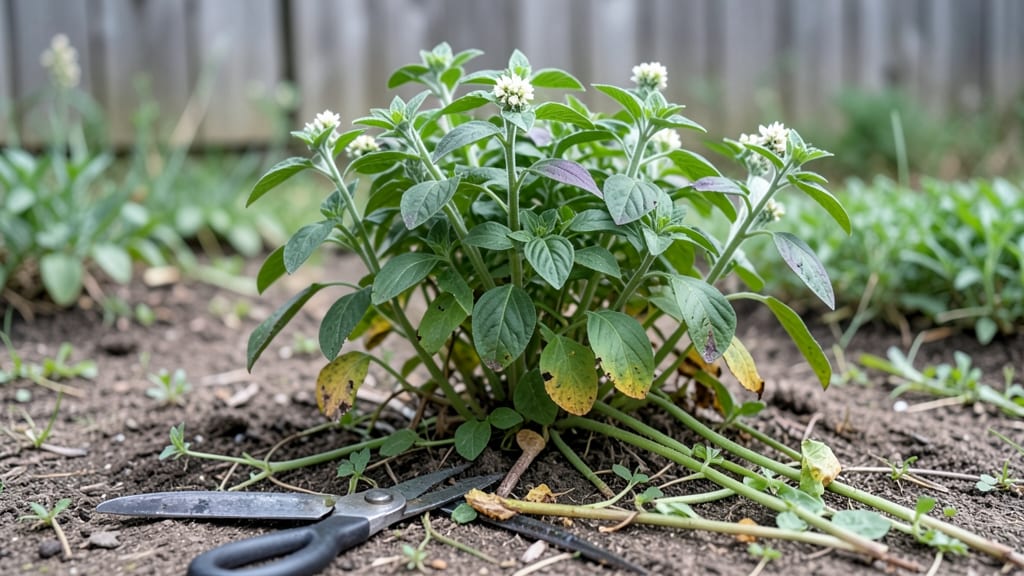
My lush, fragrant basil gardening tips start with one simple rule: sunlight is non-negotiable—these plants demand at least 6-8 hours of direct sun daily or they’ll stretch into leggy shadows.
I learned this the hard way when my first batch turned into sad, pale stalks after a week of afternoon shade. The difference between store-bought basil and homegrown? Sunlight turns those leaves from dull green to that bright, vibrant shade that makes your kitchen smell like summer.
Here’s the thing—basil thrives when you treat it like the sun-worshipper it is. Plant in well-draining soil, keep it consistently moist (not soggy), and pinch off those top sets of leaves early to encourage bushier growth. My secret weapon?
A 5-gallon container with fresh potting mix and a sprinkle of compost—no fancy equipment needed. Once you master the light and water balance, you’ll harvest fresh leaves all season long, and those slow-growing issues? They’ll disappear faster than you think.
📚 In This Guide
- What you need
- Instructions
- Tips and common mistakes
- Wrapping up and next steps
What you need
- ● Basil seeds or seedlings: Choose sweet basil, Thai basil, or purple basil (1-2 packets or 3-5 seedlings per plant).
- ● Well-draining soil: A mix of potting soil and compost (or garden soil amended with compost, ratio: 2:1).
- ● Containers or garden space: Containers: 6-12" pots (1 plant per pot) with drainage holes.
- ● Garden beds: Full sun exposure (6+ hours/day) and loose, fertile soil.
- ● Watering can or hose: With a gentle spray nozzle for even moisture.
- ● Fertilizer: Balanced liquid fertilizer (10-10-10) or organic options like fish emulsion or compost tea.
- ● Mulch (straw or shredded leaves) to retain moisture.
- ● Pruning shears for harvesting and shaping.
- ● Plant markers (to label varieties).
- ● Shade cloth (for hot climates to prevent wilting).
- ● Pest control: Neem oil or insecticidal soap (if aphids or spider mites appear).
Step-by-step instructions for growing basil indoors
Here's the foolproof method I use to grow basil that stays vibrant and fragrant all season long.
Select the Right Containers and Soil Mix
Basil thrives in well-draining soil and containers that allow roots to breathe. Use a 6-inch diameter pot for each plant to give roots room to spread without becoming root-bound. I always choose containers with drainage holes—waterlogged roots will turn your basil's leaves yellow and mushy within days.
Fill the pot with a sterile potting mix that's specifically formulated for herbs. Avoid garden soil, which compacts easily and suffocates roots. Add a handful of perlite or coarse sand to improve drainage further. The mix should feel light and airy, like crumbled cake batter, not dense like wet clay.
Plant Basil Seeds or Transplants Correctly
If starting from seeds, sow them ¼ inch deep in the soil, spacing them 12 inches apart to prevent overcrowding. For transplants, dig a hole twice as wide as the root ball and place the plant so the top of the root ball sits ½ inch below the soil surface. This ensures stability and prevents stem rot.
Gently firm the soil around the roots to eliminate air pockets. Water immediately after planting to help settle the soil and remove any air gaps. You'll see the soil surface darken slightly as it absorbs moisture—this is your signal that watering is complete. Avoid compacting the soil too firmly, as this restricts root growth.
Position for Optimal Sunlight
Basil demands 6-8 hours of direct sunlight daily to thrive. Place your pots on a south-facing windowsill or under a grow light if natural light is insufficient. Without enough light, stems will stretch toward the sun, and leaves will lose their signature fragrance and turn pale.
Rotate the pots ¼ turn weekly to ensure even growth. You’ll notice leaves on one side of the plant becoming larger and darker than the others—that’s a sign the plant is leaning toward the light. Adjust the pot’s position immediately to maintain balanced growth. If using a grow light, keep it 4-6 inches above the plant and adjust as the basil grows.
Water and Fertilize for Maximum Growth
Water basil when the top inch of soil feels dry to the touch. Overwatering is the fastest way to kill basil—roots rot quickly in soggy soil. Use room-temperature water to avoid shocking the plant. I like to water in the morning so excess moisture evaporates during the day, reducing the risk of fungal diseases.
Fertilize every 2-3 weeks with a balanced liquid fertilizer diluted to half strength. Basil grows quickly, and regular feeding encourages lush foliage and strong stems. Stop fertilizing once you start harvesting leaves to avoid bitter flavors. You’ll know it’s time to fertilize again when new growth slows down after a harvest.
Prune and Harvest for Continuous Growth
Pinch off the top set of leaves when the plant reaches 6 inches tall to encourage bushier growth. This technique, called pruning, redirects energy from vertical growth to producing more leaves. You’ll see new side shoots forming within 7-10 days—this is your reward for pruning.
Harvest leaves regularly by snipping just above a leaf node with clean scissors. Always harvest from the outer leaves first, leaving the inner leaves to continue growing. Avoid cutting more than ⅓ of the plant at once, or you’ll stunt its growth. Fresh basil tastes best when harvested in the morning, right after the dew has dried.
Tips & tricks for perfect indoor basil growth
Growing basil indoors can be surprisingly simple when you understand the subtle details that make all the difference between a struggling plant and one that thrives with vibrant, fragrant leaves.
The Container Size Matters: While a 6-inch diameter pot works perfectly for one basil plant, you might notice stunted growth if you're tempted to squeeze multiple plants into the same container. Basil roots spread aggressively—if you're growing several plants, use separate containers or increase the pot size to at least 12 inches in diameter. This prevents competition for nutrients and allows each plant to develop its full potential for lush foliage.
Soil Preparation is Non-Negotiable: The light, airy texture of your potting mix is crucial, but don't overlook the importance of sterilization. If you're using new soil, heat it in the oven at 200°F for 30 minutes to kill any pathogens that could harm your basil. I've seen otherwise healthy plants develop fungal issues because of contaminated soil—this simple step eliminates that risk entirely. The perlite or sand amendment you add isn't just for drainage; it creates microscopic air pockets that basil roots absolutely crave.
Light Quality is More Important Than Quantity: While the 6-8 hours of direct sunlight is critical, pay attention to light quality as well. South-facing windows provide the best natural light, but if you're using artificial grow lights, opt for full-spectrum LED bulbs rather than basic white lights. I've noticed that basil grown under white lights develops a slightly bitter taste, while full-spectrum lights maintain that fresh, sweet flavor we all love. Position your lights 4-6 inches above the plants and adjust as they grow to maintain consistent light exposure.
Harvesting Technique Makes All the Difference: When you're ready to harvest those outer leaves, use clean, sharp scissors rather than pulling leaves by hand. This prevents damage to the stem and encourages more vigorous regrowth. I've found that harvesting in the morning—when the essential oils are at their peak concentration—yields basil with the most intense flavor. And remember, those 7-10 days between pruning and new side shoot formation are your visual cue that the plant is responding perfectly to your care.
Pro Tips for Basil Gardening Tips
- Growing basil indoors can be surprisingly simple when you understand the subtle details that make all the difference between a struggling plant and one that thrives with vibrant, fragrant leaves.
- The Container Size Matters: While a 6-inch diameter pot works perfectly for one basil plant, you might notice stunted growth if you're tempted to squeeze multiple plants into the same container.
- Soil Preparation is Non-Negotiable: The light, airy texture of your potting mix is crucial, but don't overlook the importance of sterilization.
Frequently asked questions
Got questions about growing basil like a pro?
Here are answers to the most common ones—so you can keep your plants thriving and fragrant!
How much sunlight does basil really need?
Basil thrives in 6–8 hours of direct sunlight daily. If your garden gets less, place it near a south-facing window or use grow lights. Too little sun? Leaves will stretch (called etiolation) and lose flavor. Pro tip: Rotate pots weekly for even growth!
When is the best time to harvest basil?
Harvest when plants are 6–8 inches tall—pinch off the top leaves to encourage bushiness. For continuous harvests, pick every 4–6 weeks, avoiding more than ⅓ of the plant at once. Morning harvests preserve flavor and moisture. Never cut flowers! They signal the plant to stop growing.
What should I do if my basil leaves turn yellow?
Yellow leaves usually mean overwatering, pests, or poor drainage. Check soil moisture (it should be damp, not soggy), and ensure pots have drainage holes. Common culprits:
- Fungal issues (like downy mildew) from excess moisture.
- Pests like aphids or spider mites (wipe leaves with soapy water).
- Nutrient deficiency (use a balanced fertilizer).
Can I grow basil indoors year-round?
Basil adapts well to indoor life with bright light, warmth (65–80°F), and humidity. Place near a sunny window or under LED grow lights (12–16 hours/day). Watch for:
- Leggy growth? Move closer to light!
- Dry air? Mist leaves or use a pebble tray.
- Flowering? Trim blooms to keep flavor strong.
What’s a good alternative if I can’t grow basil?
If basil proves tricky, try these flavorful substitutes:
For sweet basil
Swap with:
Pesto or salads
Thyme, oregano, or cilantro (for a tangy twist).
Tomato dishes
Genovese basil’s cousin: Thai basil (anise-like flavor) or holy basil (peppery kick).
Cooking (e.g., soups)
Dried basil (use ⅓ the amount of fresh) or marjoram.
Bonus: Try African blue basil—it’s hardier and adds a purple pop to gardens!
Wrapping up and next steps
Growing basil is easier than you think—just sunlight, love, and a little patience! 🌿 With the right placement, soil, and care, you’ll enjoy a thriving, fragrant herb straight from your garden.
Whether you’re a beginner or a seasoned gardener, these sunlight secrets will help you cultivate basil that’s lush, flavorful, and ready to elevate your dishes.
Ready to take the next step? Start small with a pot or patch, experiment with placement, and watch your basil flourish. Soon, you’ll be harvesting fresh leaves for pesto, salads, and more—bonus points for sharing your green thumb with friends!