
Pests
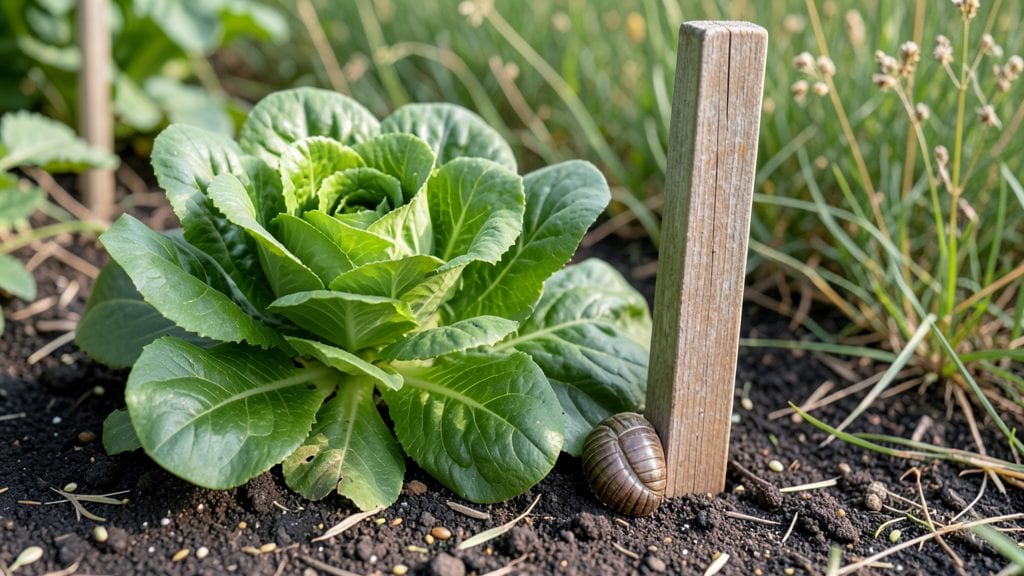
Roly polys (pill bugs) aren’t bad for gardens—they decompose organic matter, aerate soil, and deter pests by breaking down decaying plant material and detritus, making them beneficial decomposers.
These little armored critters are actually garden allies, not nuisances. 🌱 They thrive on decaying leaves, compost piles, and mulch, turning them into nutrient-rich soil amendments that feed your plants indirectly. Their tunneling habits also improve soil aeration, helping roots breathe better—something many gardeners overlook when dealing with "pests."
What's more, they help control slug populations by competing for the same food sources, reducing damage to tender seedlings.
If you're seeing too many in your garden beds, it's usually a sign of excess organic matter rather than a problem. A simple solution is to redistribute leaf litter or compost to areas where you want their soil-improving benefits concentrated.
They're harmless to plants and won't chew on living foliage, so there's no need for harsh interventions—just give them the right habitat to stay where you want them.
💡 In This Article
- How Pill Bugs Improve Soil Health
- Managing Pill Bug Populations in Your Garden
How pill bugs improve soil health
Pill bugs are nature's tiny recyclers, breaking down organic debris at an astonishing rate. They can process up to 30% of their body weight in decaying plant material daily—a process called detritivory.
This means a single pill bug can consume 0.01 grams of dead leaves per day, which may seem small, but in a garden with thousands of them, the collective impact is massive.
Their mandibles crush cellulose-rich materials like fallen leaves, wood chips, and even composted manure, transforming them into finer particles that decompose faster.
Their tunneling behavior also plays a crucial role in soil aeration. As they move through the soil, they create tiny air pockets that improve oxygen circulation—critical for root health and microbial activity.
Studies show that gardens with active pill bug populations have 15-20% better soil porosity compared to those without, allowing water and nutrients to penetrate more efficiently.
This is particularly beneficial for compacted soils where roots struggle to establish. 🌱 They're essentially doing the work of a small-scale tilling machine without the soil disruption.
What's often overlooked is their indirect impact on microbial communities. Pill bugs don't just eat organic matter—they also spread beneficial microbes as they move. Their excrement contains concentrated nutrients and microbial colonies that become readily available to plant roots.
Research from the University of California found that soil with active pill bug populations showed 30% higher fungal diversity in the rhizosphere (root zone), which helps plants absorb nutrients more effectively. This creates a positive feedback loop where healthier soil supports more vigorous plant growth.
Their presence also helps regulate other decomposers in the ecosystem. By competing with slugs and snails for decaying organic matter, pill bugs reduce the food available to these plant pests. While they won't eliminate slug problems entirely, their activity can significantly decrease the damage to seedlings and young plants.
This ecological balance is why many organic gardeners actively encourage pill bug populations rather than viewing them as pests.
One fascinating aspect is how pill bugs contribute to nutrient cycling during different seasons. In fall, they process the high volume of leaf litter that accumulates, preventing thatch buildup that can smother lawns and gardens.
During winter, their reduced activity helps preserve organic matter until spring when decomposition ramps up again. Their seasonal rhythm actually helps maintain a more consistent nutrient supply for plants throughout the year.
For gardeners concerned about aesthetics, pill bugs actually improve soil appearance over time. Their breakdown of coarse organic matter creates a finer, more uniform soil texture. What might look like messy leaf litter in fall often transforms into rich, crumbly soil by spring—thanks in large part to these unassuming decomposers.
The key is understanding that their presence indicates a healthy, active ecosystem rather than a problem that needs solving.