
Pests
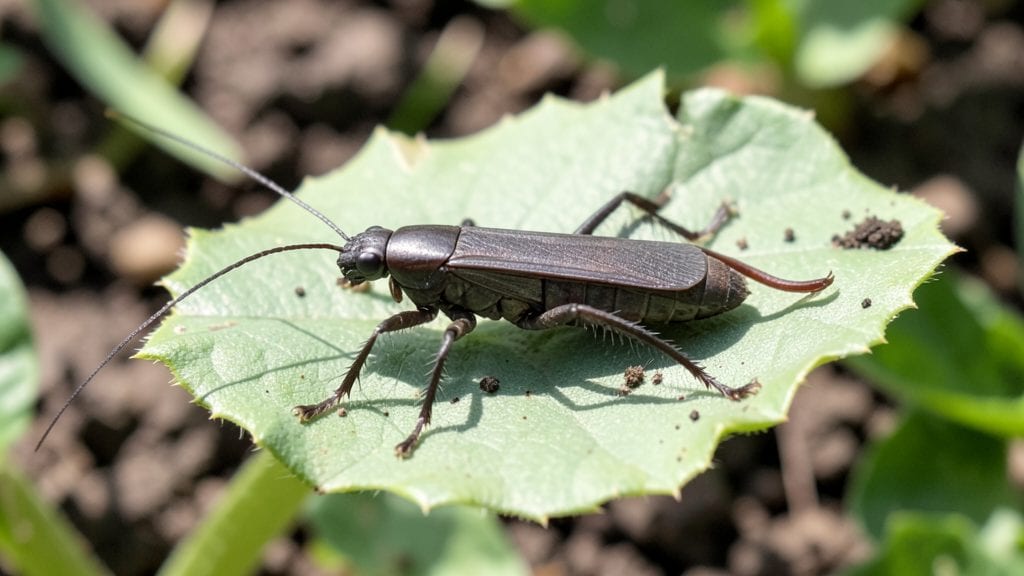
Earwigs aren't inherently bad for gardens—they often act as natural pest controllers by devouring aphids, mites, and decaying plant matter, but they can chew young leaves or flowers if their numbers spiral out of control.
These nocturnal critters actually play a helpful role in many ecosystems by breaking down organic waste and keeping pest populations in check. 🔥 The key is balance—while they won't destroy a healthy garden, their appetite for tender seedlings or blooms can become problematic if they multiply unchecked, especially in damp, sheltered areas.
Understanding their behavior helps you decide whether to welcome them as allies or take gentle control measures.
Most gardeners only need to intervene when they spot noticeable damage to emerging plants or excessive earwig activity around lights at night. A few simple adjustments—like reducing thick mulch layers or setting up beer traps—can often restore harmony without harsh chemicals.
💡 In This Article
- Earwigs’ Dual Role: Predators or Plant Threats?
- How to Manage Earwig Populations Without Harming Your Garden
Earwigs’ dual role: predators or plant threats?
Earwigs serve as nature's cleanup crew and pest police, primarily targeting soft-bodied insects like aphids, mites, and even small caterpillars. Their diet includes up to 100 aphids per night—a significant contribution to garden health when aphid populations threaten plants.
These nocturnal insects also consume decaying plant matter, breaking down organic debris that could otherwise harbor fungal growth or attract disease. Their chewing mandibles are perfectly adapted for slicing through delicate insect exoskeletons but rarely cause noticeable damage to mature plants.
The real concern arises when earwig populations explode, often in damp, sheltered environments like thick mulch beds or under dense ground covers. A single female can produce 50-100 eggs in a season, and their rapid reproduction can lead to localized outbreaks.
When numbers surge, they'll target tender plant parts—new seedlings, flower petals, and young leaves—creating irregular notches along edges. Unlike caterpillars that chew large holes, earwigs leave behind serrated, jagged edges that reveal their presence. This damage typically appears overnight, which is why gardeners often wake up to mysterious plant injuries.
What most people don't realize is that earwigs' nocturnal behavior actually works in gardeners' favor. They become most active when beneficial predators like ladybugs and lacewings are resting, giving them a competitive edge in pest control.
The key threshold occurs when earwig populations reach 10-20 individuals per square yard—below this number, their benefits outweigh their potential drawbacks. Above this level, their plant-chewing habits become more noticeable, particularly in vegetable gardens where young transplants are most vulnerable.
Their dietary versatility extends beyond pests—they'll consume pollen and nectar, making them occasional pollinators for night-blooming flowers. However, this benefit is overshadowed when they target commercial crops like lettuce, beans, or strawberries. In these cases, their feeding can reduce marketable yield by 10-30% during peak growing seasons.
The damage pattern helps distinguish earwig activity from other pests: they prefer to feed on the undersides of leaves and along flower margins, creating their signature notched edges rather than the clean holes left by beetles or caterpillars.
Temperature plays a surprising role in their behavior. Earwigs become more aggressive feeders when nighttime temperatures stay above 65°F, which explains why they're more problematic in southern gardens during summer months.
Cooler nights (55°F or below) significantly reduce their activity levels, which is why many gardeners notice fewer issues in early spring or fall. This temperature sensitivity creates natural population control during cooler seasons, when their metabolic rates slow dramatically.
Their reproductive cycle adds another layer of complexity. Earwigs practice brood care, where females guard and aerate their egg cases until hatching—a behavior that makes them less likely to disperse when populations are stable.
However, this protective instinct becomes a liability when conditions favor rapid reproduction, as the females will readily expand their territories to find suitable nesting sites.
This is why gardeners often see sudden earwig outbreaks following periods of heavy rainfall or when they introduce thick mulch layers that create ideal hiding spots.