
How To
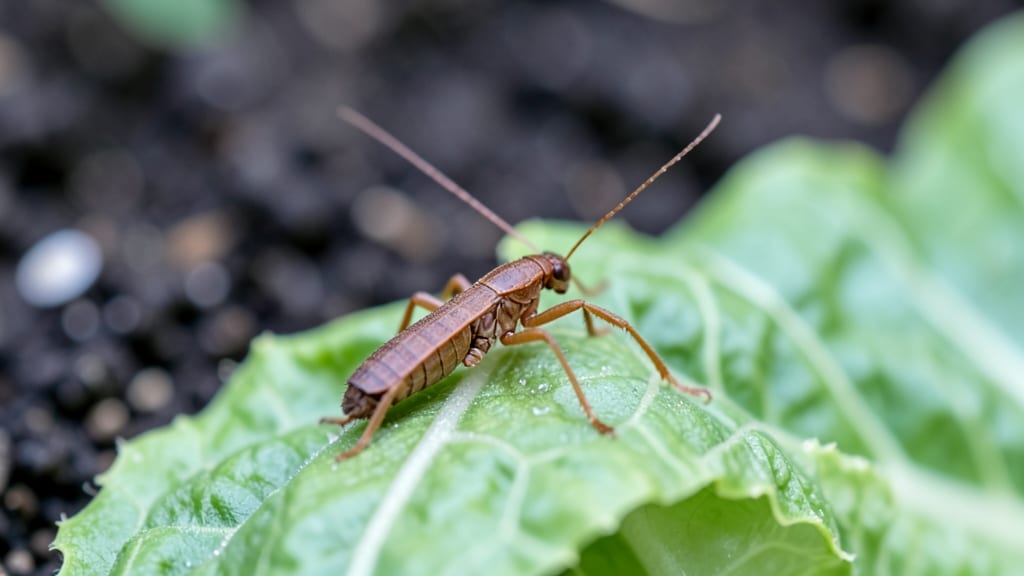
Keeping earwigs out of your garden starts with understanding why they show up in the first place. 🌱 These nocturnal critters love damp, sheltered spots—think mulch piles, flowerbed edges, and under rocks.
I used to think they were harmless, but they chew leaves and even damage young seedlings, leaving jagged holes that ruin your hard work.
The good news? You don’t need harsh chemicals to keep them away. Simple changes like reducing evening watering, clearing debris, and using dry mulch (like straw or wood chips) disrupt their favorite hiding spots.
I’ve also had great success with copper tape barriers around raised beds—earwigs avoid the metal’s slight electric charge. It’s a foolproof trick that works for months without extra effort.
For stubborn infestations, diatomaceous earth (food-grade only) around plant bases creates a natural, invisible barrier. Just sprinkle a thin layer—it’s harmless to plants and pets once settled. The key is consistency: check mulch moisture weekly, remove board piles, and keep grass mowed short near garden edges.
Within two weeks, you’ll notice fewer sneaky visitors at dusk.
This method works year-round, but earwigs peak in summer’s humidity. Start now, and by next season, your garden will stay crisp and earwig-free. The best part? These tricks protect your plants and the beneficial bugs you want to keep around.
Why Earwigs Invade Gardens
Earwigs might seem like tiny, harmless pests, but their presence in your garden can wreak havoc on plants, flowers, and even your home. Understanding why they’re drawn to your outdoor space is the first step in stopping them.
These nocturnal critters don’t just wander in randomly—they’re lured by specific conditions and resources. Let’s break down the science behind their garden invasions so you can address the root causes.
Earwigs thrive in damp, humid conditions because their bodies are highly sensitive to desiccation (drying out). Their exoskeletons lack a waxy layer like other insects, making them vulnerable to dehydration. Here’s why moisture attracts them:
- High Humidity: Earwigs prefer environments with 70-90% humidity. If your garden retains moisture from overhead watering, mulch, or poor drainage, it becomes a prime breeding ground.
- Decaying Organic Matter: They love hiding under rotting leaves, compost piles, or soggy mulch, where they feed on decomposing plant material and fungi.
- Poor Drainage: Waterlogged soil or areas with standing water (like clogged gutters or low-lying spots) create the perfect microclimate for earwigs to multiply.
Actionable Insight: If your garden stays damp for long periods, earwigs will see it as an all-you-can-eat buffet—and a nursery. Fixing drainage and reducing excess moisture is key to deterring them.
Earwigs are omnivorous opportunists, but they have a soft spot for tender, young plant growth. Their diet includes:
- Living Plant Tissue: They chew on leaves, flowers, and stems, particularly of hostas, lettuce, dahlias, and roses. Their scissor-like pincers make them efficient garden predators.
- Decaying Vegetation: Overripe fruit, fallen petals, and dead foliage attract them for both food and shelter.
- Fungal Feasts: Earwigs consume fungi and bacteria, which thrive in moist, shaded areas—another reason they love mulch-heavy gardens.
Actionable Insight: If your garden is a lush, unkempt paradise, earwigs will move in. Prune regularly, remove debris, and avoid over-mulching to deprive them of their favorite snacks.
Earwigs are nocturnal, meaning they’re most active after dark when conditions are cooler and damper. Their behavior is influenced by:
- Artificial Light: Outdoor lights (especially blue or white LEDs) attract earwigs, confusing them and drawing them toward your garden. Once there, they may not leave.
- Dark, Sheltered Spaces: They seek refuge under rocks, boards, dense mulch, or plant debris during the day. If your garden offers plenty of hiding spots, they’ll stay.
- Predator Avoidance: Birds and other predators hunt earwigs during the day, so they remain hidden until nightfall when it’s safer to forage.
Actionable Insight: Reducing artificial lighting and eliminating clutter (like piles of wood or leaves) can make your garden less appealing to earwigs.
Earwigs don’t always originate in your garden—they might be migrating from neighboring areas where conditions are ideal. Common sources include:
- Wooded or Wild Areas: Forests, thickets, and untamed landscapes provide natural earwig habitats. If your garden borders these, they’ll wander in.
- Compost Bins and Piles: A poorly managed compost heap can become an earwig hotspot, spilling them into your garden.
- Nearby Structures: Earwigs often hide in garages, sheds, or basements before venturing into gardens. If these areas are damp or cluttered, they’ll spread.
Actionable Insight: Create a dry, barrier-free zone around your garden’s perimeter to discourage earwigs from crossing over.
Now that you know why earwigs are crashing your garden party, the next step is to turn these causes into actionable defense strategies. The good news? Most of their favorite conditions are easy to fix with a few smart tweaks!
Effective Ways to Outsmart Earwigs
Earwigs may seem like tiny invaders, but with the right strategies, you can turn your garden back into a pest-free paradise. The key is understanding their weaknesses and using targeted, practical fixes—whether you’re dealing with damp soil, hiding spots, or nighttime raids.
Below, we’ve mapped out cause-specific solutions to keep these critters at bay, from quick fixes to long-term prevention.
Earwigs thrive in damp, shaded areas. If your garden is their buffet, dry it out with these tricks:
- 🔥 Improve Drainage Earwigs love soggy soil—fix this by:
- Amending soil with compost or sand to boost drainage.
- Avoiding overwatering; water deeply but infrequently (early morning is best).
- Installing French drains or gravel beds in problem areas.
- 🍳 Reduce Mulch Piles Thick mulch traps moisture.
Instead: - Use straw or shredded leaves (they dry faster than wood chips). - Keep mulch 2–3 inches deep—any deeper, and it becomes an earwig hotel. - 💡 Pro Tip: Sprinkle dry sand or diatomaceous earth under mulch to deter them.
- 👨🍳 Clear Debris & Standing Water Earwigs hide in leaf litter, logs, and even puddles. Tackle this with:
- Regularly raking up leaves and weeds (especially near foundations).
- Emptying gutter drains and fixing leaks.
- Storing firewood and plant pots upside down (they love nesting there).
Earwigs sneak in through tiny gaps. Seal them up with these no-fuss barriers:
- 🥘 Install Physical Barriers
- Copper tape around garden beds—earwigs dislike the metal’s texture.
- Fine mesh screens on vents, compost bins, and greenhouses.
- 🔪 Strategic Plant Choices: Place mints, lavender, or marigolds near entry points—their scents repel earwigs.
- ⏰ Nighttime Patrols Earwigs are nocturnal. Shine a flashlight at dusk to spot and relocate them (use a damp paper towel to scoop them up and release them far from your garden).
Skip the chemicals—these eco-friendly deterrents work just as well:
- 💡 DIY Sprays
- Neem oil spray (mix 1 tbsp neem oil + 1 tsp dish soap + 1 quart water; spray foliage).
- Garlic or chili pepper spray (blend 5 garlic cloves + 1 tbsp cayenne + 1 quart water; strain and spray).
- 🎯 Reapply every 3–5 days or after rain.
- 🌿 Plant Earwig-Hating Companions
- Garlic, onions, and thyme in borders act as natural repellents.
- 💡 Pro Tip: Plant petunias or geraniums near vulnerable plants—their strong scent confuses earwigs.
- ✨ Diatomaceous Earth (DE)
- Sprinkle food-grade DE lightly around plants, mulch edges, and entry points.
- ⚠️ Reapply after rain—it loses effectiveness when wet.
Stop earwigs before they start with these maintenance habits:
| Task | How Often | Why It Works |
|---|---|---|
| Inspect & clean gutters | Monthly | Removes standing water earwigs love. |
| Trim overhanging plants | As needed | Reduces shaded, moist hiding spots. |
| Aerate compacted soil | Spring/Fall | Improves drainage and discourages moisture. |
| Rotate crops | Seasonally | Prevents earwigs from establishing colonies. |
💡 Final Tip: Earwigs are opportunistic—if your garden stays dry, well-lit, and clutter-free, they’ll move on to easier prey. Consistency is key—combine 2–3 of these methods for the best results!
Frequently asked questions
Why do earwigs suddenly appear in my garden?
Earwigs invade gardens because they love damp, shaded spots with plenty of hiding places. Their favorite conditions include thick mulch, rotting leaves, and poorly drained soil. If your garden stays moist after watering or has piles of debris, it becomes their perfect home. They also migrate from nearby wooded areas or compost piles when conditions are right.
Will diatomaceous earth hurt my plants or pets?
Food-grade diatomaceous earth (DE) is safe for plants and pets once settled, but it must be applied correctly. Sprinkle a thin layer around plants (not directly on foliage) and avoid breathing it in. Pets may track it inside, but it’s harmless. Reapply after rain, as wet DE loses its effectiveness. Always use the food-safe version labeled for gardens.
How do I know if earwigs are damaging my garden?
Look for jagged holes in leaves, chewed flower petals, or tiny tunnels in soft stems—these are classic earwig signs. They especially target tender plants like lettuce, hostas, and dahlias. Check under mulch or boards during the day (they hide there). If you find curled leaves or wilting seedlings, earwigs are likely the culprits.
Can I use copper tape around my entire garden?
Yes, but focus on high-risk areas first—like raised beds, greenhouse edges, or near foundations. Copper tape creates a subtle electric barrier earwigs avoid. For large gardens, prioritize perimeters and entry points. It’s reusable and chemical-free, but may need occasional cleaning to maintain effectiveness. Combine it with other methods for best results.
What’s the fastest way to get rid of earwigs already in my garden?
For immediate results, try a flashlight patrol at dusk—earwigs are active then. Scoop them up with a damp towel and release them far from your garden. For stubborn cases, spread diatomaceous earth around plants and water deeply in the morning (earwigs avoid dry conditions). Repeat these steps for 2–3 nights to see a noticeable difference.