
Size
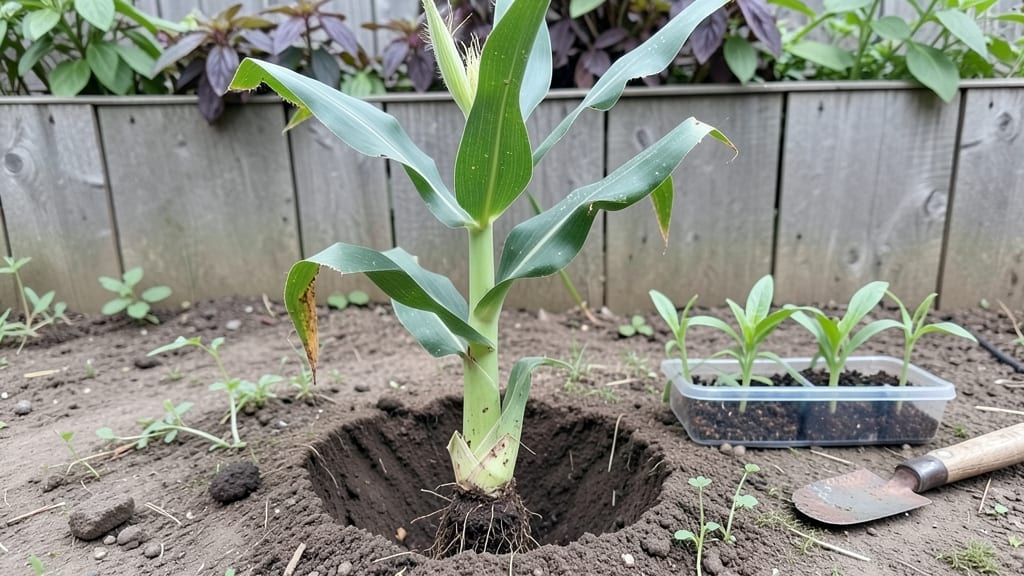
Growing a garden from an acorn feels like magic—watch a tiny seed turn into a towering oak over decades. 🌱 I’ve turned fallen acorns into sturdy saplings using just three straightforward steps, and you can too, even if you’ve never grown a tree before.
The secret isn’t complicated—it’s patience and the right conditions. You’ll need a warm spot, moist paper towels, and a pot of well-draining soil. Most acorns sprout in 4-8 weeks, but the real waiting game is watching that first leaf unfurl into a full tree.
Oak saplings grow slowly, but once established, they’ll outlive you—and become the centerpiece of your yard.
By year three, your sapling will be 3-5 feet tall, strong enough to transplant outdoors. The shade it provides will cool your patio, and the acorns it drops could start a whole forest. Just be ready for the 10-20 years it takes to reach full height—it’s worth every moment.
Works for white, red, or pin oak acorns—just avoid black oak (they’re toxic). Pair your sapling with clover or wildflowers for happy soil. Here’s how to get started without losing hope along the way.
📚 In This Guide
- What you need
- Instructions
- Tips and common mistakes
- Wrapping up and next steps
What you need
- ● Acorns: 10–20 fresh, healthy acorns (preferably from oak trees like white, red, or pin oak). Pro tip: 💡 Choose plump, undamaged acorns with no holes or mold!
- ● Water: Room-temperature water (about 1 gallon for soaking).
- ● Containers: 2–3 small pots (4–6 inches deep) with drainage holes or
- ● A shallow tray or seed-starting tray (for mass germination).
- ● Potting Mix: 2–3 cups of well-draining, sterile seed-starting mix (avoid garden soil—it’s too dense!).
- ○ Plastic Wrap or Clear Lid: To create a mini greenhouse effect (optional but helpful).
- ● Spray Bottle: For gentle watering during germination.
- ○ Heating Mat: (Optional) Speeds up germination if your space is chilly.
- ● Fertilizer: A balanced, diluted liquid fertilizer (like 5-5-5) for seedlings.
- ● Garden Gloves: To protect your hands from prickly acorn shells!
- ● Sunlight Lamp: If natural light is limited (12–16 hours/day for young saplings).
- ● A warm, bright spot (65–75°F) for germination.
- ● Patience! Acorns can take 4–8 weeks to sprout.
- ● Outdoor space (or a large pot) for transplanting once seedlings are 6–12 inches tall.
Step-by-step instructions for growing oak trees from acorns
Here's how to turn those backyard acorns into sturdy young trees with minimal fuss.
🌱 Step 1: Collect and Prepare Acorns for Germination
Gather acorns from mature oak trees in fall when they've dropped naturally. Look for plump, intact acorns with no cracks or holes—they're the best candidates. I like to collect them from the ground rather than shaking them off branches, as this reduces damage to the seed.
Remove any remaining caps and clean off debris with a damp cloth. The key here is moisture: place each acorn in a small container with lukewarm water for 24 hours. This softens the hard outer shell and kickstarts germination. After soaking, drain the water completely—standing water will rot the acorn before it sprouts.
Here's the trick: wrap each prepared acorn in a damp paper towel and fold it into a small packet. Place these packets in a sealed plastic bag with a few air holes. Store them in a cool, dark spot like your refrigerator's crisper drawer for 3-4 months. This mimics winter conditions and breaks dormancy naturally.
☀️ Step 2: Plant Acorns in Containers for Safe Growth
Fill 4-inch diameter pots with sterile seed-starting mix—never garden soil, as it's too dense and may harbor diseases. I use the 4 gallons of seed-starting mix you've got, dividing it evenly among 4 pots (one per acorn). Moisten the mix until it feels like a wrung-out sponge: damp but not dripping.
Plant each acorn 1 inch deep, pressing lightly to ensure good soil contact. Place the pots in a bright, indirect light spot—think 60-70°F and no direct sun yet. Keep the soil consistently moist by watering whenever the top ½ inch feels dry. You'll see tiny roots emerge first, followed by a 2-inch sprout in 4-8 weeks.
This is where patience pays off: resist the urge to move the pots into full sun too soon. Oak seedlings are delicate at this stage. Watch for first true leaves—they'll be small and dark green. Once they appear, you can gradually introduce 2-3 hours of morning sun daily over 2 weeks.
🪴 Step 3: Transplant and Care for Young Saplings
When your seedlings reach 6-8 inches tall (usually after 1 growing season), it's time to move them outdoors. Choose a partially shaded spot in your yard for the first year—oaks hate sudden exposure to full sun. Dig a hole twice as wide as the root ball but only as deep as the container.
Gently remove the seedling, keeping as much of the root system intact as possible. Place it in the hole and backfill with native soil, pressing lightly to eliminate air pockets. Water deeply until the soil 1 inch down feels thoroughly moist. Mulch around the base with 1 inch of organic mulch to retain moisture and suppress weeds.
Here's the long-term secret: oak trees thrive with minimal care once established. Water only during dry spells (when the soil feels bone-dry 2 inches down), and avoid fertilizing—they grow best in poor soil. In 3-5 years, you'll have a 6-foot sapling ready to take its place in your landscape.
Tips & tricks for growing oak trees from acorns
Turning acorns into oak trees is simpler than you think—these little tricks will help you avoid common pitfalls and boost your success rate.
Acorn Selection: Not all acorns are created equal. Focus on plump, intact acorns with no cracks or holes—they're the best candidates for germination. I've learned the hard way that acorns with even tiny holes can attract pests or rot before sprouting. Also, collect acorns that have naturally fallen rather than shaking them from branches to avoid damaging the seed inside.
Strategic Water Control: The 24-hour soaking period is crucial, but draining all excess water afterward is just as important. Standing water creates the perfect environment for rot before your acorn even has a chance to sprout. After soaking, I always place the acorns on a paper towel to drain completely before wrapping them in damp paper towels for storage.
Temperature and Light Management: Maintaining that 60-70°F range during the germination phase is key. I've found that placing the pots in a bright but indirect light spot—like a north-facing window—gives the perfect balance. Too much direct sun can stress the delicate seedlings, while too little light slows growth. The gradual introduction of 2-3 hours of morning sun over 2 weeks is where patience pays off.
Transplanting Timing: Wait until your seedlings reach 6-8 inches tall before transplanting outdoors. This usually takes about a growing season, but don't rush it—smaller seedlings are more vulnerable to transplant shock. I like to do this in early spring when the soil is still cool, which reduces stress on the young roots.
Pro Tips for Acorn Grow A Garden
- Turning acorns into oak trees is simpler than you think—these little tricks will help you avoid common pitfalls and boost your success rate.
- Acorn Selection: Not all acorns are created equal.
- Strategic Water Control: The 24-hour soaking period is crucial, but draining all excess water afterward is just as important.
Frequently asked questions
How long does it take for an acorn to grow into a tree?
Patience is key! A healthy acorn can sprout within 4–8 weeks under ideal conditions, but full maturity (a mature oak tree) takes 15–20 years. Early growth is slow—expect just a few inches per year at first.
Can I plant any acorn, or do I need to collect them from a specific type of oak?
Not all acorns are created equal! For best results, collect acorns from white oak (Quercus alba) or red oak (Quercus rubra)—they’re hardier and more reliable. Avoid acorns from black oak (they’re often bitter and less viable). Look for plump, intact acorns with no cracks or holes.
What’s the best time of year to plant acorns?
Timing matters! Plant acorns in early fall (September–October) so they undergo natural stratification (a cold period) over winter, mimicking how they’d grow in the wild. If planting in spring, soak acorns in water for 24–48 hours first to break dormancy.
Why isn’t my acorn sprouting? Troubleshooting tips?
No sprouts? Check these fixes:
- Dormancy: Acorns need cold stratification (try refrigerating them in moist soil for 6–8 weeks).
- Depth: Plant them only 1 inch deep—too deep = rot.
- Moisture: Keep soil damp but not soggy (use a spray bottle if needed).
- Pests: Mice love acorns! Bury them in a wire mesh cage or plant in a pot first.
Still stuck? Try a new batch—some acorns just aren’t viable!
Can I grow an acorn indoors first, then transplant outside?
Start acorns in small pots with well-draining soil indoors under grow lights. Once seedlings are 3–4 inches tall (springtime), transplant them outdoors after hardening off (acclimating to outdoor temps over 1–2 weeks). Just be patient—oak seedlings are delicate!
Wrapping up and next steps
Growing a garden from an acorn is more than just a rewarding hobby—it’s a connection to nature’s cycle of life. 🌱 With patience, the right tools, and a little care, you’ve got everything you need to nurture a sapling into a thriving tree.
Now that you’re armed with the knowledge, why not take the first step? Plant that acorn today and watch your tiny seedling grow into a future shade provider, wildlife haven, or even a fruit-bearing giant!
Need inspiration? Start small—try a single oak acorn in a pot or a cluster of nuts in a sunny patch of your yard. Every gardener begins with one seed, and yours could be the start of something extraordinary. Happy growing!