
Size
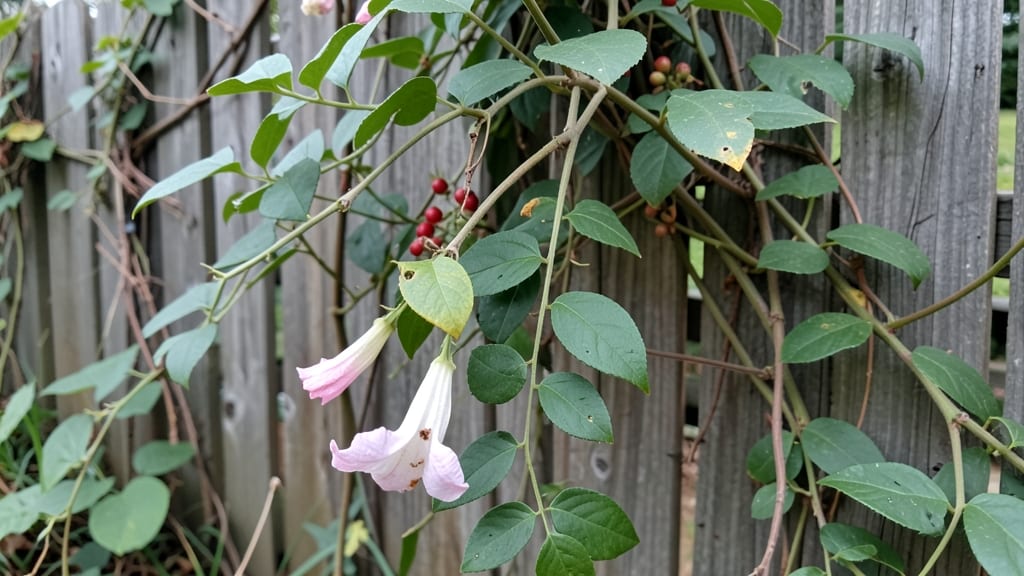
Growing a honeysuckle plant in your garden means waking up to that intoxicating sweet scent drifting through your yard every morning. 🌿 I planted mine last spring, and within weeks, the vines were climbing my trellis with a determination that put my own gardening efforts to shame.
The secret isn't just in the planting—it's in understanding how these vigorous climbers thrive when given the right conditions.
You'll need well-draining soil mixed with compost, a sunny spot with at least 6 hours of direct light daily, and something sturdy for those vines to cling to—think trellises, fences, or even old wooden frames.
Most varieties handle drought once established, but young plants appreciate deep watering once a week. The real magic happens when you prune after flowering to encourage next year's blooms.
By summer's end, you'll have a fragrant living wall that hums with bees and butterflies. The tubular flowers attract pollinators like crazy, and the glossy green leaves add lush texture to any garden corner.
My honeysuckle now stretches 12 feet across my backyard pergola, and the scent lingers even after the blooms fade.
Works beautifully in both formal gardens and wild, cottage-style spaces. The key is patience—these plants grow fast but reward you with years of effortless fragrance and color. Ready to transform your garden into a pollinator paradise?
📚 In This Guide
- What you need
- Instructions
- Tips and common mistakes
- Wrapping up and next steps
What you need
- ● Honeysuckle plants: 1-2 Lonicera varieties (e.g., Lonicera periclymenum or Lonicera sempervirens). Choose between bare-root (spring planting) or container-grown (flexible planting window).
- ● Garden space: Full sun to partial shade (6+ hours of sunlight for optimal blooms). Space for climbing (trellises, fences, or pergolas—6-10 feet wide for mature vines).
- ● Well-draining soil: pH range: 5.5–7.5 (amend with compost if needed). Loamy or sandy soil (avoid heavy clay).
- ● Mulch: 2–3 inches of organic mulch (e.g., wood chips or straw) to retain moisture.
- ● Watering can or hose: For consistent moisture (especially during the first year).
- ● Pruning shears (for shaping and maintenance). Garden gloves (to protect hands from thorns). Trellis or climbing support (if not already installed). Fertilizer (balanced 10-10-10 or organic options like compost tea). Soil pH tester (to monitor acidity levels). 💡 Pro Tips for Success 🌱 Planting time: Early spring or fall for best root establishment.
- ● 💧 Watering: Keep soil moist but not soggy (honeysuckle dislikes "wet feet").
- ● 🌿 Support: Train vines early to avoid tangled growth—use soft ties if needed!
- ● ✂️ Pruning: Trim after flowering to encourage bushier growth.
Step-by-Step instructions for planting and cultivating honeysuckle vines
Here’s how to establish fragrant, long-blooming honeysuckle vines that thrive for years.
🌱 Step 1: Select the Perfect Planting Site
Honeysuckle thrives in full sun to partial shade, with at least 6 hours of direct sunlight daily for optimal blooming. I always choose a location near a trellis, fence, or arbor—these vines grow 10-15 feet annually and need sturdy support. Avoid low-lying areas where cold air settles, as honeysuckle is sensitive to late spring frosts.
Test the soil by digging a 6-inch hole—ideal soil is well-draining but moisture-retentive. If your soil is heavy clay, amend it with 2-3 inches of compost mixed into the top 12 inches of soil. Honeysuckle’s roots spread aggressively, so space plants 8-10 feet apart to prevent overcrowding and competition.
🪴 Step 2: Plant Bare-Root or Container-Grown Honeysuckle
For bare-root plants, soak the roots in lukewarm water for 1-2 hours before planting to revive them. Dig a hole twice as wide as the root ball but only as deep—the top of the root ball should sit 1 inch above ground level to prevent rot. If planting a container-grown honeysuckle, remove it from the pot and loosen any circling roots gently with your fingers.
Place the plant in the hole, spreading roots outward evenly. Backfill with native soil, pressing lightly to eliminate air pockets. Water deeply until the soil 1 inch below the surface feels moist. Mulch around the base with 2-3 inches of organic mulch, keeping it 3 inches away from the stem to prevent rot. This conserves moisture and regulates soil temperature.
☀️ Step 3: Train and Support the Vine for Healthy Growth
Install a trellis, fence, or arbor within 2-3 feet of the planting site so the vine can climb immediately. Use soft garden twine or flexible wire to loosely tie the main stem to the support, adjusting as it grows. Honeysuckle vines twine naturally but benefit from gentle guidance in their first year to establish strong growth habits.
Prune any dead, diseased, or crossing branches in early spring before new growth begins. You’ll also want to cut back leggy growth to encourage bushier, more compact vines. Wait until late winter or early spring to prune—never prune in fall, as this stimulates new growth that won’t harden off before winter.
💧 Step 4: Water and Fertilize for Continuous Blooms
Water deeply once a week during the first growing season, ensuring the soil 6 inches down stays consistently moist but not soggy. Once established, honeysuckle is drought-tolerant but blooms most prolifically with 1 inch of water weekly. You’ll know it’s thirsty when the leaves start to curl or yellow at the edges—this is your signal to water.
Fertilize in early spring with a balanced, slow-release fertilizer (10-10-10) applied at ½ the recommended rate. Avoid high-nitrogen fertilizers, which promote leafy growth at the expense of flowers. After the first flush of blooms, apply a low-phosphorus fertilizer (5-10-10) to encourage more flowering. Stop fertilizing by mid-summer to allow the plant to harden off for winter.
✂️ Step 5: Prune and Maintain for Year-Round Fragrance
Prune late winter or early spring before buds swell, removing dead wood, weak stems, and any branches growing inward. Cut back overly long branches to half their length to stimulate bushier growth. This is also the time to shape the vine—trim back any growth that strays too far from the trellis to keep the plant manageable.
Deadhead spent blooms throughout the season to encourage more flowers. However, leave some seed pods if you want to attract birds and support local ecosystems. In fall, apply a 2-3 inch layer of mulch around the base to insulate roots from freezing temperatures. Honeysuckle is hardy in USDA zones 4-9, but young plants may need winter protection in colder climates.
Tips & tricks for perfect honeysuckle plant cultivation
These essential gardening insights will help you cultivate fragrant, thriving honeysuckle vines that bloom season after season.
Sunlight Secret: The 6 hours of direct sunlight mentioned in Step 1 is non-negotiable for optimal blooming. I've seen honeysuckle planted in partial shade still produce flowers, but they'll be sparse and lack the intoxicating fragrance. For maximum impact, position your trellis on the south or west side of your property where it gets afternoon sun. This is especially critical in cooler climates where sunlight hours are limited.
Soil Preparation Strategy: When amending heavy clay soil with 2-3 inches of compost in the top 12 inches, don't just dump it in and mix. Work the compost into the existing soil in layers, about 2 inches at a time, to ensure proper integration. This gradual approach prevents compaction and creates the ideal well-draining yet moisture-retentive environment honeysuckle loves. The 6-inch hole test mentioned in Step 1 is your best indicator of proper drainage.
Planting Precision: The 1-2 hour soaking time for bare-root plants in lukewarm water is crucial for reviving roots, but don't exceed it. After 2 hours, roots can become waterlogged and prone to rot. I've found that adding a splash of seaweed extract to the soaking water provides additional nutrients during this critical rehydration period. For container-grown plants, gently teasing apart circling roots with your fingers prevents girdling as the vine matures.
Watering Wisdom: The deep watering mentioned in Step 4 should penetrate until the soil 6 inches down is moist—but not soggy. I use a moisture meter to verify this depth, as visual cues can be misleading. For the weekly 1 inch of water once established, consider using a drip irrigation system set to run for about 30 minutes twice weekly. This method delivers water directly to the roots while minimizing evaporation and fungal risks from overhead watering.
Pro Tips for Honeysuckle Plant Grow A Garden
- These essential gardening insights will help you cultivate fragrant, thriving honeysuckle vines that bloom season after season.
- Sunlight Secret: The 6 hours of direct sunlight mentioned in Step 1 is non-negotiable for optimal blooming.
- Soil Preparation Strategy: When amending heavy clay soil with 2-3 inches of compost in the top 12 inches, don't just dump it in and mix.
Frequently asked questions
Got questions about growing honeysuckle? Here are answers to the most common ones—from planting tips to troubleshooting—so you can enjoy fragrant blooms year after year!
When is the best time to plant honeysuckle?
The ideal time to plant honeysuckle is in early spring or fall, when soil temperatures are mild. This gives roots time to establish before extreme heat or cold. Avoid planting in late summer, as the plant may struggle to adapt before winter. For container-grown plants, you can plant year-round in mild climates.
How much sun does honeysuckle need?
Most honeysuckle varieties thrive in full sun to partial shade (6+ hours of sunlight daily). While they tolerate some shade, too little light can reduce flowering. For hot climates, afternoon shade helps prevent stress. Observe your plant—if leaves look pale or sparse, it may need more sun!
Why aren’t my honeysuckle flowers opening?
If blooms refuse to open, check for these issues:
- Too much shade: Move to a sunnier spot.
- Over-fertilizing: Too much nitrogen promotes leaves over flowers. Use a balanced fertilizer (e.g., 10-10-10) in early spring.
- Pests/disease: Inspect for aphids or fungal spots. Treat with neem oil or fungicide if needed.
- Age: Young plants may take 1–2 years to bloom fully.
Can I grow honeysuckle in containers?
Yes! Choose a large container (at least 15–20 gallons) with drainage holes and a well-draining potting mix. Use a trellis or obelisk for support, as honeysuckle climbs vigorously. Water regularly to prevent soil from drying out, and fertilize monthly during growing season. Dwarf varieties (like Lonicera fragrantissima) are ideal for pots!
Is honeysuckle toxic to pets or humans?
Honeysuckle is non-toxic to humans and pets, making it a safe garden addition. However, ingesting large quantities (like leaves or stems) may cause mild stomach upset in pets. Always monitor curious pets near new plants. The flowers are edible and even used in teas or desserts!
Pro Tip:
Prune honeysuckle right after flowering to encourage bushier growth and more blooms next season. Cut back overgrown stems by 1/3 to maintain shape and improve airflow. Bonus: Deadhead spent flowers to prolong blooming!
Wrapping up and next steps
Growing honeysuckle in your garden is a rewarding journey that brings fragrance, beauty, and seasonal charm to your outdoor space. Whether you’re a beginner or a seasoned gardener, these versatile climbers thrive with minimal fuss—just a sunny spot, well-drained soil, and a little patience.
Now that you’re armed with the right tips, why not start planting today? Grab your gloves, pick a spot, and let nature’s sweet perfume transform your garden into a blooming sanctuary! 🌸
Next steps:
- Choose your honeysuckle variety (shrub, vine, or twining type).
- Mark your planting spot and gather your supplies.
- Plant in early spring or fall for the best results.