
Tools
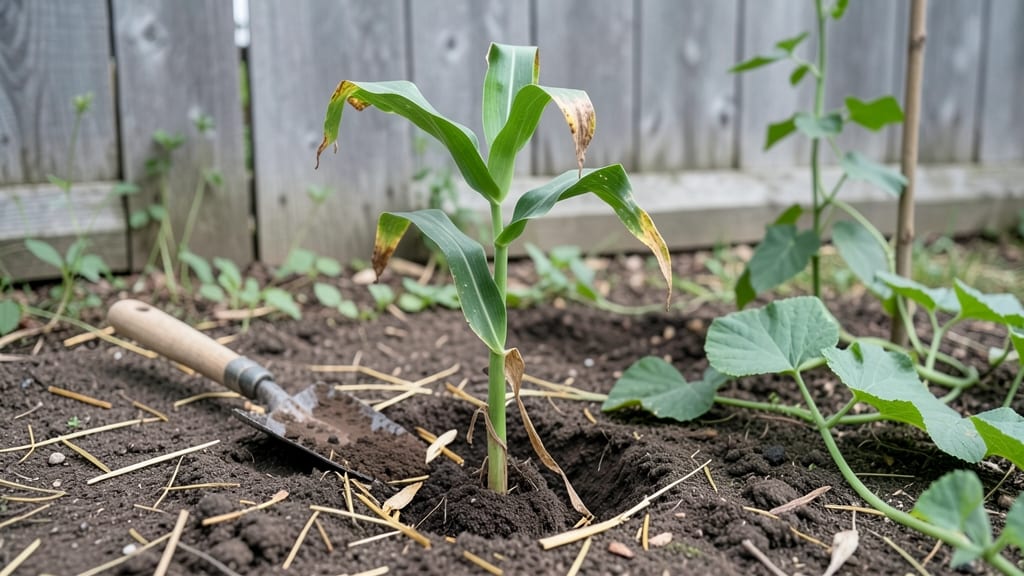
The 3 sisters gardening method isn’t just a planting technique—it’s a centuries-old Native American system that creates a self-sustaining, low-maintenance border where corn, beans, and squash grow together in perfect harmony. 🌱 I first stumbled upon this approach after struggling with poor soil and pest problems in my raised beds, and once I tried it, I never looked back.
The beauty of this system is how it mimics nature: the corn provides structure, the beans fix nitrogen, and the squash shades the soil, creating a thriving ecosystem that needs less water and fewer inputs than traditional gardens.
What makes this method so special is its adaptability—whether you have a full backyard or just a few containers on your patio, you can scale it to fit your space.
The historical roots run deep, but the modern version is surprisingly simple: plant corn first, then beans along the stalks, and tuck squash or pumpkins around the base. This isn’t just about aesthetics; it’s about creating a garden that works with you, not against you.
The soil stays rich, weeds get crowded out, and you’ll harvest more with less effort than ever before.
By the end of the season, you’ll have a lush, productive border that looks stunning and functions like a well-oiled machine. The corn reaches skyward, the beans climb and add nitrogen to the soil, and the squash spreads out, smothering weeds and retaining moisture.
It’s a system that rewards patience, and once you see the first ears of corn or the first squash vines sprawling, you’ll understand why this method has stood the test of time. Ready to transform a corner of your garden into a thriving, self-sustaining oasis?
Even small spaces can accommodate this method—just adjust the scale. If you’re working with containers, opt for dwarf varieties of corn and bush beans, and choose compact squash like pattypan or zucchini.
The principles stay the same, and the results will still amaze you. This isn’t just gardening; it’s creating a legacy in your own backyard.
📚 In This Guide
- What you need
- Instructions
- Tips and common mistakes
- Wrapping up and next steps
What you need
- ● Corn (Zea mays) – 3–5 plants per sister trio (choose a tall, open-pollinated variety like Black Aztec or Flint)
- ● Beans (Phaseolus vulgaris) – 3–5 plants (bush or pole varieties like Scarlet Runner or Pinto)
- ● Squash (Cucurbita pepo or C. maxima) – 1–2 vining plants (e.g., Butternut, Hubbard, or Winter Crookneck)
- ● Garden trowel or hand fork (for planting)
- ● Garden gloves (to protect your hands)
- ● Measuring tape or ruler (for spacing)
- ● Compost or well-aged manure (1–2 gallons per plant)
- ● Organic mulch (straw, leaves, or grass clippings)
- ● Drip irrigation or watering can (for consistent moisture)
- ○ Stakes or trellis (optional) – For pole beans or climbing varieties
- ● Sunny spot – At least 6–8 hours of direct sunlight daily
- ● Well-draining soil – Amend with compost if your soil is heavy or sandy
- ● Spacious planting area – Each "sister" trio needs 3–4 feet in diameter to thrive
- ● Patience! – These perennials (or self-seeding annuals) take time to establish
How to plant a thriving 3 Sisters garden border
This classic Native American companion planting system creates a self-sustaining, drought-resistant border that feeds pollinators year-round.
🌱 Step 1: Choose and Prepare Your Planting Site
Select a sunny location with at least 6 hours of direct sunlight daily. The 3 Sisters—corn, beans, and squash—thrive when planted together in well-draining soil with rich organic matter. I always test the soil first using a simple pH kit; aim for a neutral pH (6.0-7.0). If your soil is heavy clay, mix in 2-3 inches of compost from the ingredients list to improve drainage and fertility.
Clear the area of weeds and loosen the soil to a depth of 12 inches using a broadfork or tiller. Avoid compacting the soil—this trio of plants needs room to spread their roots. If your soil feels dry, water it deeply 2-3 days before planting so the roots can establish without initial shock.
🪴 Step 2: Plant the Corn as Your Structural Foundation
Start with the corn—it acts as the trellis for the beans and provides shade for the squash. Plant 4-5 corn seeds in a square or circular pattern, about 12 inches apart, and 1 inch deep. I like to use a wooden dowel or pencil to mark each planting spot so I don’t accidentally overlap the rows. Corn needs strong stems, so thin to the strongest 3 plants once they reach 6 inches tall. Watch for the first true leaves (the second set of leaves after the initial seed leaves) to appear—this is your cue to thin.
Here’s the thing—don’t skip the corn. Without it, the beans won’t climb, and the squash won’t get the shade it needs to retain moisture. If your corn gets too leggy (stems stretch tall and thin), it’s a sign you need more sunlight or less nitrogen in the soil. You’ll see this as pale, weak stems with leaves spaced far apart.
💧 Step 3: Plant Beans Alongside the Corn for Nitrogen Support
About 2 weeks after planting corn, sow pole beans (like Kentucky Wonder or Scarlet Runner) around the corn stalks. Plant 3-4 seeds per corn plant, about 1 inch deep, and 3 inches from the corn stalk. The beans will twine up the corn naturally, and their roots will fix nitrogen in the soil—feeding all three plants. You’ll notice the beans sprouting in 7-10 days if the soil stays consistently moist but not soggy.
I always plant beans after the corn because they germinate faster and need the corn’s support early. If your beans take longer to sprout, check the soil temperature—beans prefer soil that’s at least 60°F. A quick way to test: press your finger into the soil; if it feels warm (like a sunny afternoon), germination will speed up.
☀️ Step 4: Add Squash to Complete the System
Plant squash seeds (like butternut or pumpkin) around the outer edges of the corn and beans, about 2 feet from the corn stalks. Squash acts as a living mulch, suppressing weeds and retaining moisture. Plant 3-4 seeds per mound, 1 inch deep, and 2 feet apart. Once the squash sprouts, thin to the strongest plant per mound. You’ll see first true leaves in 5-7 days if conditions are right.
Real talk: squash can be fussy about crowding. If leaves start yellowing or wilting, it’s a sign the plants are competing for space or nutrients. Here’s where the 3 Sisters magic happens—the squash shades the soil, keeping it cool and moist, while the beans feed the corn, and the corn supports the beans. It’s a closed-loop system that works better than any synthetic fertilizer.
✂️ Step 5: Maintain and Harvest for a Year-Round Border
Water the garden deeply 1-2 times per week, focusing on the base of the plants to encourage deep root growth. Avoid wetting the leaves—this prevents fungal diseases like powdery mildew. You’ll know the watering is right when the top 2 inches of soil feel dry to the touch. Mulch with straw or leaves (from the ingredients list) to retain moisture and suppress weeds.
Harvest beans first, picking them when pods are firm and bright—usually 60-70 days after planting. Let some beans mature on the vine for seed saving. Harvest squash when the rind is hard and the stem dries slightly—this usually takes 90-110 days. Save a few squash seeds for next year’s planting. The corn will be ready when the tassels (top pollen-bearing flowers) turn brown and the kernels are plump and milky when pierced with a fingernail.
Tips & tricks for perfect 3 Sisters gardening
These tried-and-true tips will help you create a thriving, self-sustaining garden border that works with nature—not against it.
Soil Preparation Secret: In Step 1, when loosening the soil to 12 inches deep, focus on breaking up any compacted layers without turning the soil. The 3 Sisters system relies on deep root systems, so avoid over-tilling which can disrupt beneficial soil organisms. I like to use a broadfork to aerate without disturbing the soil structure too much.
Corn Planting Strategy: The 4-5 corn seeds planted in a square or circular pattern in Step 2 creates a natural trellis for beans while providing shade for squash. Don't be tempted to plant more seeds—crowding leads to weak stems that can't support the beans properly. Mark your planting spots with wooden dowels or pencils to maintain that 12-inch spacing, which prevents competition for nutrients.
Timing is Everything: The 2-week gap between planting corn and beans in Step 3 is crucial. Corn needs that head start to establish strong stalks before beans need to climb. And remember that 60°F soil temperature threshold for beans—if your soil feels cooler than a warm afternoon, consider using black plastic mulch to warm the soil faster. You'll notice beans sprout noticeably faster when soil temps hit that sweet spot.
Squash Placement: When planting squash in Step 4, keep those 2 feet distances from corn stalks—this prevents the squash from competing with corn for nutrients. The outer edge placement also creates that living mulch effect, keeping weeds down while retaining moisture. If you're working with limited space, you can reduce spacing to 18 inches, but be prepared to thin aggressively to maintain plant health.
Pro Tips for 3 Sisters Gardening
- These tried-and-true tips will help you create a thriving, self-sustaining garden border that works with nature—not against it.
- Soil Preparation Secret: In Step 1, when loosening the soil to 12 inches deep, focus on breaking up any compacted layers without turning the soil.
- Corn Planting Strategy: The 4-5 corn seeds planted in a square or circular pattern in Step 2 creates a natural trellis for beans while providing shade for squash.
Frequently asked questions
What exactly are the "3 Sisters," and why do they work so well together?
The 3 Sisters refer to corn, beans, and squash—three staple crops that thrive when planted together. Corn provides a trellis for beans to climb, beans fix nitrogen in the soil (feeding the corn), and squash spreads across the ground, suppressing weeds and retaining moisture. This symbiotic relationship mirrors Indigenous agricultural wisdom and creates a low-maintenance, resilient garden!
When is the best time to plant the 3 Sisters?
Timing depends on your climate, but generally:
- Corn: Plant after the last frost when soil is at least 60°F (15°C)—usually late spring.
- Beans: Sow 2–4 weeks after corn, once soil warms to 65°F (18°C).
- Squash: Plant seeds directly after beans or transplant seedlings 2–3 weeks later.
Pro tip: In cooler zones, start corn indoors or use black plastic mulch to warm the soil faster!
Can I grow the 3 Sisters in containers or small spaces?
While traditional 3 Sisters gardens are planted in mounds, you can adapt them to containers or raised beds:
- Use a large pot (12"+ diameter) for corn (dwarf varieties like 'Little and Tender' work best).
- Train beans to climb a small trellis or let them sprawl.
- Choose bush squash (e.g., 'Table Queen') to save space.
Just ensure containers have good drainage and at least 12–18 inches of soil depth for roots.
What’s the biggest challenge with 3 Sisters gardening, and how do I fix it?
The most common issues are:
- Pests: Squash bugs and corn earworms can be pesky. Solution: Handpick bugs, use row covers early, or plant pest-repellent herbs like marigolds nearby.
- Poor pollination (especially for squash). Solution: Plant bumblebee-friendly flowers nearby and avoid overwatering.
- Overcrowding. Solution: Thin seedlings early and space plants 12–18" apart (check seed packet guidelines).
Pro tip: Interplant flowers like nasturtiums to deter pests naturally!
Are there modern or alternative varieties of the 3 Sisters I can try?
Traditional varieties are hardy, but modern hybrids can offer convenience or disease resistance. Try:
- Corn: 'Country Gentleman' (heirloom, sweet), 'Silver Queen' (buttercorn).
- Beans: 'Scarlet Runner' (climbing, edible flowers), 'Blue Lake' (bush, high-yield).
- Squash: 'Waltham Butternut' (compact), 'Honey Nut' (resistant to powdery mildew).
For authentic cultural experience, seek out Native American seed suppliers like Seed Savers Exchange or Native Seeds/SEARCH.
Wrapping up and next steps
The 3 Sisters gardening method isn’t just a beautiful, low-maintenance border—it’s a celebration of sustainability, biodiversity, and Indigenous wisdom. By combining corn, beans, and squash, you create a thriving ecosystem that feeds the soil, deters pests, and rewards you with bountiful harvests year-round.
Whether you’re a seasoned gardener or just starting out, this method proves that nature’s best designs are simple yet powerful.
Ready to dig in? Start small—even a 4’x4’ plot will yield amazing results—and watch your garden grow into a resilient, self-sustaining haven. Happy planting! 🌱