
Planting
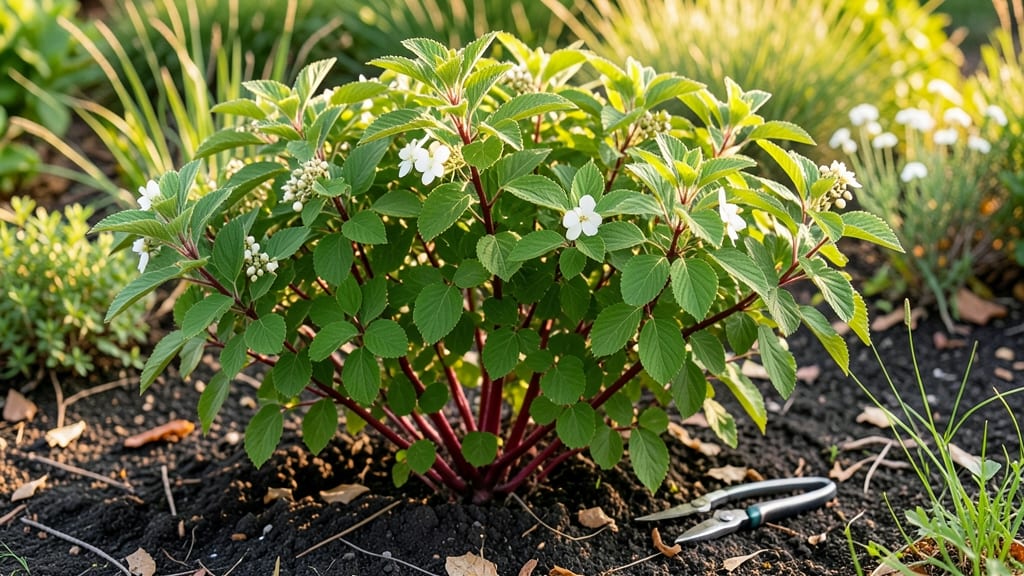
Zone five gardening means growing where winters dip to -20°F, but with the right choices, you can turn your yard into a four-season powerhouse. 🌱 I’ve learned that the secret isn’t fighting the cold—it’s working with it by picking plants that thrive when others freeze.
Last year, my peonies burst through snow, and my kale kept producing until December.
The key is timing: plant cool-season crops like spinach in early spring or late summer, and wait until after May 15 for tomatoes—when soil warms to 55°F. Perennials like coneflowers and lavender handle the freeze, while vegetables like broccoli and carrots reward patience with cold-hardy harvests.
Even in winter, evergreens and dormant bulbs keep the garden alive.
You’ll end up with a garden that stays productive when others sleep—think fragrant spring bulbs, summer-long tomatoes, and fall greens that outlast store-bought. The trick is layering frost protection (row covers, mulch) and focusing on varieties bred for your zone.
Trust me, your neighbors will be jealous of your year-round greenery when theirs is buried under snow.
For those extra-long growing seasons, try cold frames or low tunnels—simple setups that add 4-6 weeks to your harvest. Whether you’re a beginner or a veteran, Zone 5 gardening proves that cold climates can be just as rewarding as warm ones. Let’s get those cold-hardy plants in the ground!
📚 In This Guide
- What you need
- Instructions
- Tips and common mistakes
- Wrapping up and next steps
What you need
- ● Soil Amendments: Compost (2–3 cubic yards per 100 sq ft)
- ● Peat moss or coconut coir (1–2 bags per season)
- ● Organic fertilizer (e.g., 10-10-10 or balanced NPK, 5 lbs per 100 sq ft)
- ● Mulch: Straw or wood chips (2–3 inches deep, 1–2 cubic yards per 100 sq ft)
- ● Cold-Hardy Plants: Perennials (e.g., coneflowers, lavender, Russian sage)
- ● Vegetables (e.g., kale, spinach, potatoes, Brussels sprouts)
- ● Fruit bushes (e.g., blueberries, currants, hardy apple varieties)
- ● Garden fork (for aerating soil)
- ● Pruners (sharp, sterilized)
- ● Trowel & hand weeder
- ● Garden hose with adjustable nozzle (or drip irrigation kit)
- ● Cold frame or row covers (for extending seasons)
- ● Thermometer (soil & air, for monitoring freeze/thaw cycles)
- ● Raised beds (for better drainage & warmth)
- ● Greenhouse or cold-hardy hoop house
- ● Soil pH test kit (to adjust acidity for specific plants)
- ● Plant markers (freeze-proof labels for winter ID)
Instructions for designing a resilient Zone Five garden
Here's how to build a garden that thrives through Zone Five's unpredictable seasons.
🌱 Step 1: Plan Your Planting Zones Based on Microclimates
Zone Five's temperature swings create distinct microclimates—identify yours first. South-facing walls absorb heat, creating a 5°F warmer zone perfect for heat-lovers like peppers and tomatoes. North slopes stay cooler, ideal for shade-tolerant perennials like asters or lungwort. I always sketch my yard with these notes:
✔ Sun exposure: Mark areas with full sun (6+ hours), partial shade (3-6 hours), and deep shade (<3 hours). ✔ Wind exposure: Note sheltered spots where tender plants won't get scorched by spring winds. ✔ Soil variations: Dig test holes to check drainage—sandy soil warms faster in spring, while clay holds cold longer.
Pro tip: Use reflective mulch (like white gravel) under heat-loving plants to raise soil temps by 5-10°F during cool springs. This trick lets me plant tomatoes 2-3 weeks earlier without risking frost damage.
☀️ Step 2: Select Cold-Hardy Varieties for Each Season
Zone Five's short growing season (90-120 days) demands strategic variety selection. Start with cold-hardy perennials that establish roots early, like Russian sage (Perovskia) or catmint (Nepeta), both of which survive -20°F once established. For annuals, choose fast-maturing varieties like 'Early Girl' tomatoes (55 days) or 'Mammoth Melting' snow peas (60 days).
Here's my seasonal breakdown using cold-hardy plants: • Early spring (March-April): Plant spinach, peas, and radishes—they tolerate 28-32°F soil temps. • Late spring (May): Introduce kale, lettuce, and broccoli—these handle 40-45°F nights. • Summer (June-August): Rotate in tomatoes, peppers, and basil after last frost (usually May 15 in Zone Five). • Fall (September-October): Extend harvests with carrots, beets, and Swiss chard—they thrive until first hard frost (October 15).
Real talk: Don't overlook winter interest plants like winter aconite (Eranthis) or Hellebores, which bloom under snow. They reward you with early spring color when most gardens are still dormant.
⏰ Step 3: Time Plantings for Maximum Yield
Zone Five's frost dates (average April 15 last frost, October 15 first frost) dictate planting windows. Use frost-free dates to calculate: • Cool-season crops: Plant 4-6 weeks before last frost (soil temps 40-50°F). • Warm-season crops: Wait until 2 weeks after last frost (soil temps 60°F+). • Fall crops: Sow 60-90 days before first frost for harvest before winter.
I mark these dates on my calendar with color-coded tabs: 🔴 Red: Last frost warning (April 15) 🟢 Green: Safe planting window (May 1-June 1) 🔵 Blue: Fall planting reminder (August 1-September 15)
Pro move: Succession planting keeps your garden productive. For example, sow bush beans every 2 weeks from June to July—this ensures a continuous harvest instead of one big yield. The same works for lettuce and radishes in spring and fall.
💧 Step 4: Adjust Watering for Seasonal Shifts
Zone Five's dramatic temperature swings change water needs monthly. In spring, focus on deep watering (1 inch per week) to encourage root growth before summer heat. By July, increase to 1.5-2 inches per week—but water in the morning to prevent fungal diseases from overnight humidity.
Here's my seasonal watering guide: • Spring (March-May): Water 2-3 times per week (soil temps 50-60°F). • Summer (June-August): Water daily (soil temps 70-85°F), but deeply (6 inches down). • Fall (September-October): Reduce to 1 inch per week as temps drop below 60°F. • Winter (November-February): Minimal watering—only mulched perennials need occasional moisture.
Watch for wilting leaves at midday—that's your signal to water. But don't drown plants: soggy soil in summer invites root rot, while frozen soil in winter prevents absorption. A moisture meter (or your finger 2 inches deep) is your best tool.
✂️ Step 5: Prune and Mulch for Winter Protection
As temperatures drop below 32°F, shift to protective pruning. Cut back tender perennials (like lavender or rosemary) to 6 inches tall and cover with 4-6 inches of straw mulch. For woody plants, wrap trunks with burlap to prevent sunscald (when winter sun warms bark, then night frost cracks it).
I also top-dress perennials with 2-3 inches of compost in late fall—this feeds roots while insulating them from freeze-thaw cycles. For shrubs, mound 6 inches of leaves or pine straw around the base. This raises soil temps by 5°F, protecting roots during sub-zero nights.
Don't skip late-season cleanups: Remove diseased foliage (like tomato leaves with early blight) and compost it separately—this prevents pathogens from overwintering. Save healthy leaves to shred into mulch for next year's garden.
Tips & tricks for perfect Zone Five gardening
Zone Five's unpredictable climate demands more than just good intentions—it requires smart strategies to outsmart nature's curveballs. Here's how to elevate your garden from merely surviving to thriving through every season.
Microclimate Mastery: When mapping your zones in Step 1, go beyond sun exposure—test soil temperatures at different times of day. I use a soil thermometer to confirm if a south-facing spot truly reaches the 60°F+ needed for warm-season crops. The 5°F difference between north and south exposures can mean the difference between successful tomato plants and sad, stunted seedlings. Consider adding temporary row covers for early spring plantings—they can raise soil temperatures by 5-10°F during cool mornings.
Seasonal Transition Timing: The 4-6 week window before last frost in Step 3 is your golden opportunity, but don't treat all cool-season crops equally. Peas and radishes germinate best at 40-45°F soil temperatures, while spinach prefers 50-60°F. I plant radishes first (they mature in 25 days) as a "canary in the coal mine"—if they thrive, I know the soil is ready for the slower spinach. For warm-season crops, wait until nighttime temperatures consistently stay above 50°F, not just the daytime highs.
Watering Wisdom: The 1.5-2 inches per week summer guideline in Step 4 is a starting point, but your actual needs depend on your soil type. Sandy soil drains quickly and may need daily watering, while clay holds moisture longer. I test by sticking my finger 2 inches deep—if it's dry, water deeply. For container gardens, check moisture every morning; pots dry out 2-3 times faster than in-ground soil. Mulch with 3-4 inches of straw to retain moisture and reduce evaporation, especially during 70-85°F summer days.
Winter Protection Hacks: The 4-6 inches of straw mulch recommendation in Step 5 is non-negotiable, but don't stop there. For tender perennials like lavender, I create a mini greenhouse effect by placing a clear plastic bottle (cut in half) over the plant in extreme cold (-20°F). This raises temperatures by 10°F around the plant without smothering it. For woody plants, wrap trunks with burlap and secure with twine—this prevents sunscald that can crack bark when winter sun warms it during the day, followed by freezing nights.
Pro Tips for Zone Five Gardening
- Zone Five's unpredictable climate demands more than just good intentions—it requires smart strategies to outsmart nature's curveballs.
- Microclimate Mastery: When mapping your zones in Step 1, go beyond sun exposure—test soil temperatures at different times of day.
- Seasonal Transition Timing: The 4-6 week window before last frost in Step 3 is your golden opportunity, but don't treat all cool-season crops equally.
Frequently asked questions
Got questions about zone five gardening?
You’re not alone! Whether you’re a newbie or a seasoned gardener, these answers will help you navigate cold-hardy plants, timing, and troubleshooting like a pro. Let’s dig in!
What are the best cold-hardy plants for Zone 5 that thrive year-round?
Zone 5’s short growing season calls for resilient picks like kale, spinach, broccoli, and Swiss chard (cool-season veggies), plus perennials like asparagus, rhubarb, and strawberries. For flowers, try coneflowers, black-eyed Susans, and hardy daffodils. Pro tip: Layer mulch (straw or leaves) to insulate roots in winter!
When is the ideal planting time for Zone 5 gardens?
Zone 5’s last frost date (usually mid-to-late May) signals the start of warm-season planting (tomatoes, peppers). For cool-season crops, sow seeds 4–6 weeks before the last frost (March–April) or 6–8 weeks after (August–September) for fall harvests. Check your local USDA map for precision!
How do I extend the growing season in Zone 5?
Use row covers, cold frames, or low tunnels to trap heat and delay frost. Succession planting (sowing seeds every 2–3 weeks) keeps harvests flowing. For winter, try hoop houses or unheated greenhouses—even kale and carrots stay productive under 10–15°F with protection!
What do I do if my Zone 5 plants freeze unexpectedly?
Don’t panic! Hardy perennials (like lavender or Russian sage) often bounce back. For annuals or tender crops, cover them with blankets or burlap during hard freezes (<32°F). If leaves blacken, prune damaged foliage after thawing—roots may still be alive. Water lightly to prevent soil heaving!
Are there any low-maintenance alternatives to traditional gardening in Zone 5?
Try no-dig gardens (layer compost + mulch), container gardening (for patios), or permaculture beds with ground covers (clover, creeping thyme). Dwarf fruit trees (like apple ‘Liberty’) and herb spirals also thrive with minimal fuss. Start small—even a windowsill herb garden counts!
| Quick Fixes for Zone 5 Challenges |
|---|
| Problem: Soil stays too wet in spring |
| Solution: Amend with compost + sand; raise beds if drainage is poor. |
| Problem: Pests survive winter |
| Solution: Use row covers early or introduce beneficial nematodes in fall. |
Wrapping up and next steps
Zone Five gardening isn’t just about surviving the cold—it’s about thriving year-round with the right plants and strategies! 🌱 By choosing cold-hardy varieties, planning seasonal tasks, and embracing smart techniques like mulching and succession planting, you can enjoy a vibrant garden even in chilly climates.
The key is adaptation, not limitation.
Ready to take the next step? Start small—pick one new cold-resistant plant for your garden this season, or sketch out a simple year-round planting calendar. Every expert gardener began with a single seed! 🌟