
Shrubs
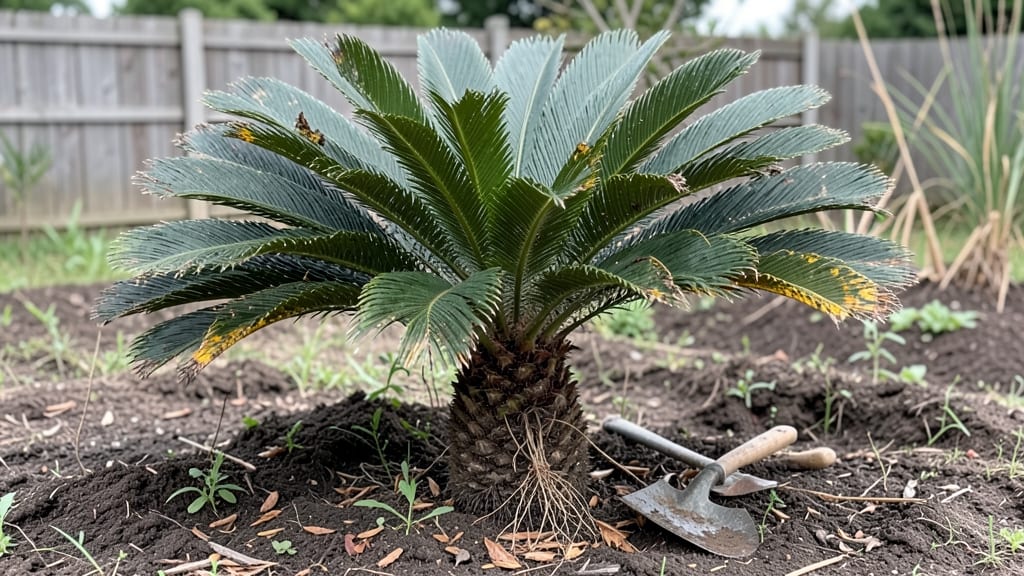
Florida weave gardening transforms your yard into a lush, living privacy screen using native shrubs and woven palm fronds. 🌿 I first discovered this technique while restoring an old Florida homestead, and it completely changed how I think about fencing—no more boring chain link or expensive lattice.
The beauty is in the layers: tall shrubs like coontie palms or yaupon holly create structure, while woven sabal palm fronds add texture and movement that no plastic screen ever could.
The magic happens when you combine traditional Florida materials with modern gardening. You’ll need sabal palm fronds (harvested sustainably), sturdy trellises or fence panels, and native shrubs that thrive in the heat and humidity—think muhly grass, firebush, or wax myrtle.
The best part? This design stays green all year, blocks wind, and even improves air quality. It’s not just a fence; it’s a living ecosystem that works with your climate instead of against it.
By the time you’re done, you’ll have a backyard that feels like a secluded retreat, with layers of foliage that change colors with the seasons. The woven fronds create dappled shade perfect for afternoon lounging, while the shrubs provide year-round structure.
Plus, it’s a project that gets better over time—each growing season adds more privacy and natural beauty. Here’s how to start weaving your own Florida-style garden oasis.
This technique works for both traditional and modern Florida landscapes, whether you’re lining a pool, framing a patio, or creating a natural border.
The key is balancing the height of your shrubs with the width of your woven panels—aim for at least 6 feet of total height to block views effectively. For extra impact, pair it with native ground covers like liriope or ferns to tie everything together.
📚 In This Guide
- What you need
- Instructions
- Tips and common mistakes
- Wrapping up and next steps
What you need
- ● Native Florida shrubs (3+ varieties): 2–3 Myrtle Oak (Quercus myrtifolia) (fast-growing, drought-tolerant)
- ● 2–3 Wax Myrtle (Morella cerifera) (fragrant, evergreen, great for wildlife)
- ● 2–3 Yaupon Holly (Ilex vomitoria) (thorny, dense, berry-producing)
- ○ Optional: Coastal Elderberry (Ilex glabra) or Fetterbush (Lyonia ferruginea) for texture
- ● Pruning shears or hedge clippers (sharp, heavy-duty for thick branches)
- ● Gloves & long sleeves (shrubs like Yaupon have thorns!)
- ● Measuring tape & stakes (to mark spacing—aim for 3–5 feet apart)
- ● Mulch (pine straw or wood chips) (2–3 inches deep to retain moisture)
- ● Watering can or hose with nozzle (drip irrigation is ideal for long-term care)
- ● Soil test kit (check pH—Florida’s native shrubs thrive in acidic to slightly acidic soil (pH 4.5–6.0))
- ● Slow-release fertilizer (balanced 6-6-6 or native-plant-specific blend)
- ● Edging tools or landscape fabric (to define borders neatly)
- ● Bird feeders or wildlife cameras (to enjoy the pollinators and birds your shrubs attract!)
- ● String or twine (temporarily guide growth patterns while training vines)
- ● Knee pads (for comfort during planting or mulching)
Step-by-Step instructions for creating a Florida weave garden
Here's how to build a lush, year-round privacy screen using native Florida shrubs.
🌿 Step 1: Plan Your Shrub Layers for Depth and Privacy
Start by sketching your space, marking the area where you want the weave to begin and end. Florida weave thrives with three distinct layers: tall shrubs for the back, mid-height shrubs for texture, and low ground covers for the front. I like to use 6-8 foot tall shrubs like yaupon holly or wax myrtle for the back row, spaced 4-6 feet apart. These will form your privacy backbone.
For the middle layer, add shrubs like murraya or coontie palm at 4-5 feet tall, spacing them 3-4 feet apart between the tall shrubs. This creates visual interest while maintaining airflow. The front layer should include low-growing shrubs like muhly grass or frostweed, planted 2-3 feet apart to fill gaps and prevent weeds. Remember, Florida's climate means you'll want plants that handle humidity and occasional drought.
🪴 Step 2: Prepare the Soil for Native Plant Success
Test your soil's pH—Florida's native shrubs prefer slightly acidic to neutral soil (6.0-7.0). If your soil is too sandy or clay-heavy, amend it with 2-3 inches of compost and a handful of slow-release organic fertilizer before planting. I dig a hole twice as wide as the root ball but only as deep as the container the plant came in—this prevents burying the stem too deeply, which can rot.
Water the hole deeply before planting to settle the soil. If you're planting in a row, space your holes according to the mature plant sizes. For example, a 6-foot yaupon holly needs 6 feet of space on all sides. Once planted, backfill with native soil and tamp gently to remove air pockets. Water again to help roots settle.
☀️ Step 3: Plant and Mulch for Year-Round Health
Place each shrub in its hole, ensuring the top of the root ball sits level with the surrounding soil. Fill the hole with native soil, pressing lightly to eliminate gaps. Water each plant deeply—about 1 gallon per shrub—to encourage root growth. I like to add a 3-inch layer of mulch (like pine straw or wood chips) around each plant, keeping it 2 inches away from the stem to prevent rot.
Mulch helps retain moisture and keeps soil temperatures stable, which is crucial in Florida's hot, humid summers. Water 2-3 times per week for the first month to help roots establish, then taper to once a week once growth appears. Watch for new leaf growth—that’s your sign the plants are settling in. If you notice yellowing leaves, it’s often a sign of overwatering or poor drainage.
✂️ Step 4: Prune and Maintain for a Neat, Natural Look
Prune your Florida weave once a year in late winter or early spring before new growth begins. Remove any dead, diseased, or crossing branches first. Then, shape the shrubs by trimming back 1/3 of the new growth to encourage bushier, denser foliage. I use clean, sharp pruners and make cuts just above a leaf node or bud to promote healing.
After pruning, fertilize lightly with a balanced, slow-release fertilizer to support regrowth. Monitor for pests like scale or whiteflies, which can be common in Florida’s climate. If you spot them, treat with neem oil or insecticidal soap—these are safe for native plants and the environment. Water deeply after pruning to help plants recover.
🌱 Step 5: Enjoy Your Year-Round Privacy Screen
Within 1-2 years, your Florida weave will fill in beautifully, providing year-round privacy and wildlife habitat. Tall shrubs like yaupon holly offer dense foliage, while lower layers like muhly grass add texture and movement. In Florida’s climate, these plants will thrive with minimal care—just regular watering in dry spells and annual pruning to keep them shaped.
Watch for seasonal changes: in fall, muhly grass turns a stunning pink, and wax myrtle berries attract birds. Your weave isn’t just a screen—it’s a living ecosystem. If you notice any plants struggling, check for overcrowding or poor drainage and adjust as needed. With time, your Florida weave will become a low-maintenance, beautiful part of your landscape.
Tips & tricks for perfect Florida weave gardening
Here's what nobody tells you about creating a thriving Florida weave that'll give you privacy for years to come.
Layering Secret: The key to a successful Florida weave is in the spacing—don't just plant randomly! In Step 1, when planning your layers, remember that mature plant sizes matter most. That 6-foot yaupon holly you're planting for the back row will need at least 6 feet of space on all sides at maturity. I've seen people plant too close and end up with overcrowded, struggling shrubs that never fill in properly. Trust me on this: measure twice, plant once!
Soil Prep That Makes All the Difference: In Step 2, when preparing your soil, don't skip the pH test! Florida's native shrubs prefer that slightly acidic to neutral range (6.0-7.0), and if your soil is outside this range, amending with compost and fertilizer makes a world of difference. I've had clients whose sandy soil needed extra compost to hold moisture, while others with clay soil needed more organic matter to improve drainage. The 2-3 inches of compost isn't just a suggestion—it's essential for root health in our humid climate.
Mulching Like a Pro: That 3-inch layer of mulch in Step 3 isn't just decorative—it's crucial for moisture retention and temperature regulation. I recommend using pine straw or wood chips because they break down slowly and won't compact like other mulches. Keep it 2 inches away from stems to prevent rot, and reapply every spring. This simple step saves me hours of watering in Florida's summer heat and keeps roots cool.
Pruning Wisdom: When you're ready to prune in Step 4, focus on shaping rather than just cutting back. Trim just above a leaf node or bud to encourage new growth, and never remove more than 1/3 of the new growth at once. I've seen people over-prune and end up with leggy, sparse shrubs. And here's a pro tip: use clean, sharp pruners—dull blades can damage plants and spread disease. After pruning, that deep watering helps the plants recover beautifully.
Pro Tips for Florida Weave Gardening
- Here's what nobody tells you about creating a thriving Florida weave that'll give you privacy for years to come.
- Layering Secret: The key to a successful Florida weave is in the spacing—don't just plant randomly!
- Soil Prep That Makes All the Difference: In Step 2, when preparing your soil, don't skip the pH test!
Frequently asked questions
Got questions about Florida Weave Gardening?
Here are answers to the most common ones—whether you're just starting or troubleshooting your privacy hedge.
What’s the best time of year to plant Florida Weave shrubs?
Plant in early spring or fall (Sept–Nov or March–April) when Florida’s temps are mild. Avoid summer’s heat or winter’s cold snaps, which stress roots. Bare-root plants thrive in these seasons, while container-grown shrubs can adapt slightly more flexibly.
How much sunlight do Florida Weave shrubs need?
These shrubs love full sun to partial shade (6+ hours of sunlight daily). In Florida’s humid climate, they tolerate shade better than many other privacy hedges, but full sun promotes denser, faster growth. South-facing fences get the most light—ideal for thick weaves!
How often should I prune Florida Weave shrubs?
Prune twice a year: lightly in spring (after new growth appears) to shape, and heavily in late winter (Jan–Feb) to encourage bushiness. Avoid pruning in fall—it stimulates tender growth vulnerable to cold. Use sharp shears and sterilize tools between cuts to prevent disease.
Can I mix Florida Weave shrubs with other plants?
Pair with native ground covers like Frogfruit (Phyla nodiflora) or Coastal Muhly Grass for texture. Avoid fast-spreading vines (e.g., English Ivy) that compete for space. Florida Weave thrives with low-maintenance companions like Firebush or Coastal Oak for a layered, eco-friendly look.
What pests should I watch for with Florida Weave shrubs?
Keep an eye out for scale insects, whiteflies, and spider mites—common in Florida’s humidity. Neem oil or horticultural soap work well for mild infestations. For severe issues, consult a local nursery for Florida-friendly pesticides. Healthy soil (rich in compost) boosts shrub resilience!
How long until my Florida Weave hedge provides full privacy?
With proper care, expect 3–5 years for a dense, 6–8-foot-tall hedge. Fast-growing varieties like Myrtle Oak or Wax Myrtle may reach privacy height sooner (2–3 years), while slower growers like American Beautyberry take a bit longer. Patience pays off!
Wrapping up and next steps
Florida Weave gardening is your ticket to lush, low-maintenance privacy that thrives year-round—without sacrificing the Sunshine State’s natural beauty! 🌿 By blending native shrubs like Murraya paniculata and Ilex vomitoria, you create a living screen that’s resilient, eco-friendly, and full of life.
Whether you’re a seasoned gardener or a beginner, this method proves that privacy doesn’t have to mean sacrificing style or sustainability.
Ready to transform your space? Start small—plant a single layer this season, then expand as you gain confidence. Your dream green oasis is just a shovel’s throw away! 🌟