
Shrubs
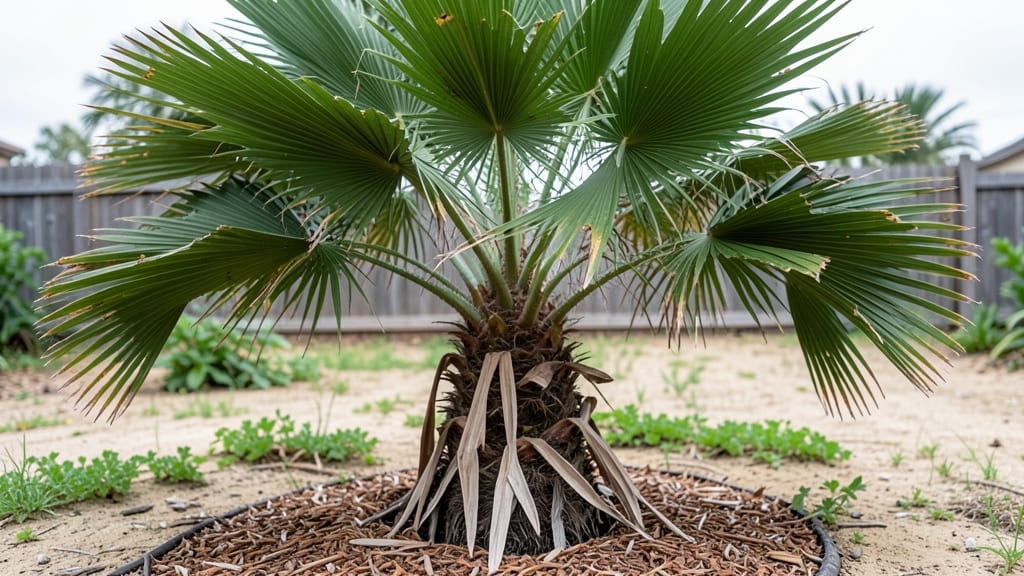
South Florida gardening transforms your yard into a lush, ever-blooming paradise—if you choose the right heat-tolerant shrubs. 🌿 I’ve learned the hard way that tropical plants like firebush and buttonwood handle 90-degree days better than anything from a northern nursery, but even they need a few tweaks to truly thrive in our humidity and sandy soil.
The key is matching plants to microclimates: coastal salt spray demands different shrubs than inland humidity, and Miami’s urban heat island cooks plants faster than Everglades shade. Start with native favorites like coontie palm or gumbo-limbo, then add drought-tolerant options like Mexican petunia for those sunbaked spots.
Most of these thrive with minimal fuss—just water when the top inch of soil dries out and prune after blooms fade.
By summer’s end, you’ll have lush, fragrant shrubs that attract butterflies and hummingbirds while keeping your yard green when neighbors’ plants wilt. The real magic happens in hurricane season: these shrubs bend instead of break, and their deep roots prevent erosion better than mulch alone.
Here’s how to pick the perfect palette for your yard’s specific challenges.
Whether you’re in Zone 10a’s cooler pockets or Zone 11’s steamy heart, the same principles apply—just adjust watering slightly. Local nurseries like Tropical Plant World carry proven varieties, and I’ll share my go-to list for foolproof planting, plus a pre-hurricane checklist to protect your investment when storms roll in.
📚 In This Guide
- What you need
- Instructions
- Tips and common mistakes
- Wrapping up and next steps
What you need
- ● Heat-tolerant shrubs: Choose from Firebush (Hamelia patens), Gumbo Limbo (Bursera simaruba), Coontie Palm (Zamia integrifolia), or Muhly Grass (Muhlenbergia capillaris) (3–5 plants per variety).
- ● Well-draining soil: 50 lbs of organic compost or peat moss mixed with native soil (amend heavy clay with perlite or sand).
- ● Mulch: 2–3 inches of pine bark or cypress mulch to retain moisture and regulate temperature.
- ● Drip irrigation system: ¼-inch tubing + emitters (spaced 12–18 inches apart) to conserve water in the heat.
- ● Fertilizer: Slow-release, low-nitrogen fertilizer (e.g., 6-6-6 or 8-3-9 blend) for drought-resistant plants.
- ● Hand trowel (for transplanting small shrubs).
- ● Pruning shears (bypass-style, sharp for clean cuts).
- ● Garden gloves (heat-resistant, heavy-duty for prickly plants like Coontie).
- ● Wheelbarrow (for hauling soil/mulch).
- ○ pH test kit (optional but helpful—aim for 6.0–7.0 for most shrubs).
- ● Shade cloth (30–50% coverage) for young plants during extreme heat.
- ● Native plant guidebook (e.g., Florida Native Plants for Landscaping).
- ● Soil moisture meter to track water needs (critical in our sandy soils!).
- ● Wildlife-friendly accessories: Bird feeders or butterfly magnets to attract pollinators.
Step-by-step guide to planting heat-tolerant shrubs in South Florida
South Florida's year-round warmth calls for shrubs that handle humidity and heat without breaking a sweat.
🌱 Step 1: Choose the Right Shrubs for Your Climate
Start with native or well-adapted varieties like firebush, coontie palm, or buttonwood. These thrive in 90°F+ temperatures and high humidity without extra fuss. Firebush, for example, not only survives but bursts with vibrant red flowers that attract hummingbirds—nature’s built-in pest control. Check each plant’s label for USDA Zone 10-11 suitability before buying.
I always pick shrubs with leathery leaves or silvery foliage—these traits signal drought tolerance. Avoid anything labeled "tender" or "sensitive to heat." Your local nursery will have staff who know the toughest performers, so ask for their top recommendations.
🪴 Step 2: Prepare the Planting Site
South Florida’s heavy clay soil drains poorly, so amend it with 2-3 inches of organic compost mixed into the top 12 inches of soil. This improves drainage and adds nutrients without smothering roots. Work the compost in gently—no need to till deeply, as that disrupts beneficial soil microbes.
Choose a spot with morning sun and afternoon shade if possible. This protects leaves from the harshest afternoon rays while still giving plants enough light to thrive. For container plantings, use pots with drainage holes and fill with a well-draining potting mix—never garden soil.
☀️ Step 3: Plant at the Right Time and Depth
Plant shrubs in early spring or late summer when temperatures are mild. Avoid planting during peak summer heat—roots need time to establish before facing 95°F+ soil temperatures. Dig a hole twice as wide as the root ball but only as deep as the root ball itself—burying too deep suffocates roots.
Place the shrub in the hole and backfill with native soil, firming gently around the edges. Water deeply to settle the soil and eliminate air pockets. Mulch with 2-3 inches of wood chips or pine straw to retain moisture and regulate soil temperature. Keep mulch 6 inches away from the trunk to prevent rot.
💧 Step 4: Water Wisely for Establishment
Water newly planted shrubs deeply 2-3 times per week for the first 3 months, until the soil is 6-8 inches deep and moist. Use a soaker hose or drip irrigation to deliver water slowly at the base—this prevents fungal diseases that thrive in wet foliage. Early morning watering is best to reduce evaporation and fungal risks.
After the first season, most heat-tolerant shrubs need little extra water. Let the soil dry out between waterings—soggy roots lead to root rot, which is a silent killer in Florida’s heat. You’ll know you’re doing it right when the soil feels dry to the touch 2 inches down before the next watering.
✂️ Step 5: Prune for Health and Shape
Prune shrubs in late winter or early spring before new growth begins. Remove dead, diseased, or crossing branches first—these compete for resources and invite pests. For shaping, cut back no more than 1/3 of the plant’s height in one season. Heavy pruning stresses shrubs and weakens their ability to handle heat.
Use clean, sharp pruners to make cuts just above a leaf node or bud. Avoid leaving stubs—these attract disease. After pruning, give the plant a light fertilizer with slow-release nitrogen to support new growth. This is also a great time to add a 2-inch layer of mulch to protect roots from summer heat.
Tips & tricks for perfect heat-tolerant shrub planting in South Florida
Between us, I've learned these tricks the hard way after watching perfectly good shrubs struggle in Florida's brutal summers. Here's what nobody tells you about making your shrubs truly thrive.
Heat Tolerance Check: Before buying, inspect shrubs for thick, waxy leaves—these are nature's built-in sunscreen. Firebush and coontie palm have this protective coating, while tender varieties like gardenias won't make it through our summers. I always ask nursery staff for their "toughest performers" list—these are the real survivors.
Soil Prep Secret: Don't just dump compost on top—mix those 2-3 inches of organic compost into the top 12 inches of soil. This creates a root-friendly zone where water drains properly. I use a broadfork to loosen the clay without disturbing the soil structure too much. The key is breaking up compaction while preserving those beneficial microbes.
Timing is Everything: Planting during early spring or late summer gives roots time to establish before facing 95°F+ soil temperatures. I've seen shrubs planted in peak summer heat struggle for months to recover. If you must plant in summer, do it on a cloudy day and water immediately after planting to reduce stress.
Mulch Like a Pro: That 2-3 inches of wood chips or pine straw isn't just decoration—it's a temperature regulator. Dark mulch absorbs heat, so keep it 6 inches away from trunks to prevent root burn. I use pine straw for its natural resistance to fungal growth, which is crucial in our humid climate. Replenish it annually to maintain protection.
Pro Tips for South Florida Gardening
- Between us, I've learned these tricks the hard way after watching perfectly good shrubs struggle in Florida's brutal summers.
- Heat Tolerance Check: Before buying, inspect shrubs for thick, waxy leaves—these are nature's built-in sunscreen.
- Soil Prep Secret: Don't just dump compost on top—mix those 2-3 inches of organic compost into the top 12 inches of soil.
Frequently asked questions
Got questions about keeping your South Florida garden lush and thriving in the heat? Here are some FAQs to help you navigate the tropical climate with ease!
What are the best heat-tolerant shrubs for South Florida’s humidity?
Native shrubs like Firebush (Hamelia patens), Coastal Muhly Grass (Muhlenbergia capillaris), and Dwarf Yaupon Holly (Ilex vomitoria ‘Nana’) thrive in humidity and heat. They’re drought-resistant once established and require minimal care—perfect for Florida’s climate! Learn more.
When is the best time to plant heat-tolerant shrubs in South Florida?
Aim for early spring (March–April) or late summer (August–September) to avoid extreme heat. Avoid planting during peak summer months (June–July) when temperatures can stress young plants. Pro tip: Water deeply after planting to help roots establish quickly!
How often should I water heat-tolerant shrubs in South Florida?
Newly planted shrubs need weekly watering (1–1.5 inches per week), while established ones thrive with deep, infrequent watering (every 2–3 weeks). South Florida’s humidity reduces evaporation, so overwatering is riskier than underwatering. Check soil moisture 2–3 inches down—if it’s dry, it’s time to water!
What pests should I watch for in South Florida shrubs?
Keep an eye out for scale insects, whiteflies, and spider mites, which love Florida’s warmth. Use neem oil or insecticidal soap for mild infestations. For severe cases, consult a local pest control expert. Pro tip: Encourage beneficial insects like ladybugs to keep pests in check naturally!
Can I grow heat-tolerant shrubs in containers in South Florida?
Shrubs like Dwarf Schefflera (Schefflera arboricola) or Mexican Feather Grass (Nassella tenuissima) do well in containers. Use well-draining soil and a pot with drainage holes. Move containers to partial shade during peak afternoon sun to prevent stress. Bonus: Container gardening makes it easy to rotate plants for optimal sunlight!
Wrapping up and next steps
South Florida’s tropical climate may seem daunting for gardening, but with the right heat-tolerant shrubs, you can create a lush, year-round oasis with minimal fuss!
From firebush to coastal rosemary, these resilient plants not only survive the heat but also thrive, offering beauty, fragrance, and even wildlife benefits. Whether you’re a seasoned gardener or just starting out, these shrubs make low-maintenance gardening a breeze—and the rewards are worth every drop of sunshine!
Ready to transform your space? Start small—pick one or two shrubs to test in your garden, then expand as you gain confidence. Grab your gloves, dig in, and watch your South Florida garden flourish! 🌿✨