
Tools
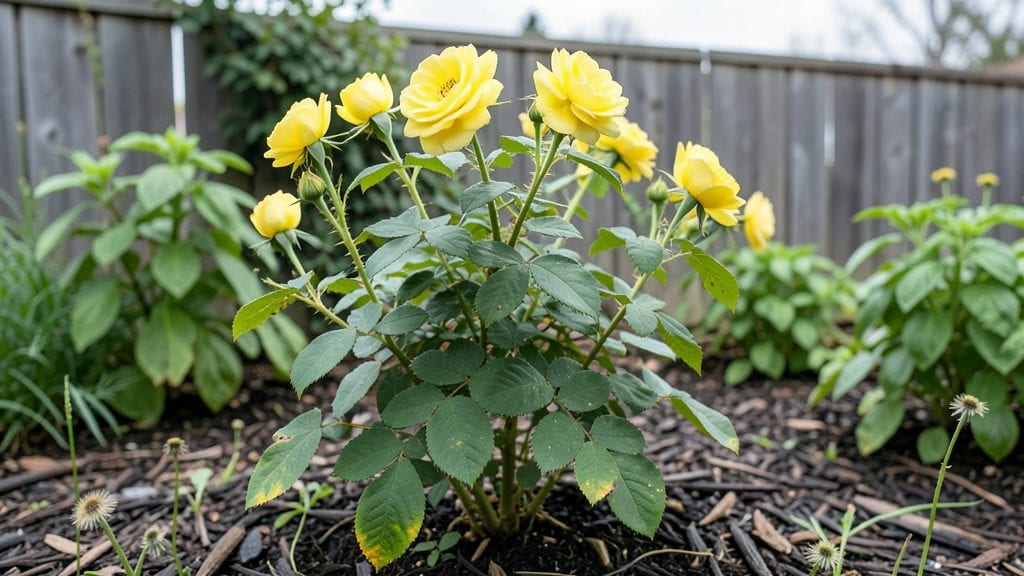
Growing yellow garden roses transforms any yard into a sunlit sanctuary. 🌻 Their cheerful hue lifts spirits while demanding less fuss than you’d expect—no high-maintenance drama, just reliable blooms from spring through fall.
I’ve designed entire garden sections around them, and the results are always striking: bold yellows that pop against green foliage while drawing in pollinators like bees and butterflies.
Their versatility makes them a gardener’s secret weapon. Pair them with lavender for a romantic cottage vibe, or contrast them with deep purple clematis for a bold, high-impact look. In formal gardens, their classic shape works beautifully alongside boxwood hedges, while wildflower meadows let them shine as natural focal points.
The key is placement—give them morning sun and afternoon shade to keep blooms vibrant.
Beyond their beauty, yellow roses carry cultural weight. Historically, they symbolize friendship and new beginnings, making them perfect for welcoming garden entrances or sunny patio corners. Their golden tones also brighten moods—studies show yellow triggers happiness, so a well-placed rose bush instantly elevates any outdoor space.
With the right care, they’ll reward you with months of effortless color and a garden that feels alive year-round.
Whether you’re designing a romantic retreat or a low-maintenance pollinator haven, these roses deliver. Their ability to blend with any style while requiring minimal upkeep makes them the ultimate garden workhorse. Here’s how to make them the star of your outdoor space without the hassle.
Why Roses Lose Their Color
If your once-vibrant garden roses are fading to a duller shade—or worse, turning an unnatural yellow—don’t panic. This change is usually a sign your roses are communicating a need, whether it’s a nutritional boost, a shift in care, or even a silent SOS about their environment.
Understanding the root causes helps you restore their glory without overcomplicating things. Let’s break down the most common reasons roses lose their color, so you can take action with confidence.
Roses are heavy feeders, and when they don’t get the right nutrients, their leaves and blooms often turn yellow as a distress signal. Here’s what’s likely missing—and how to fix it:
- Nitrogen (N) Deficiency:
Yellowing starts on older leaves (a classic sign) because nitrogen fuels growth. Without it, your roses can’t produce chlorophyll, leading to pale or yellow foliage. Fix: Apply a balanced rose-specific fertilizer (look for a 10-10-10 or 12-12-12 ratio) in early spring and mid-summer.
Organic options like composted manure or fish emulsion work too!
- Iron (Fe) Deficiency (Chlorosis):
Yellowing between leaf veins (while veins stay green) is a red flag for iron deficiency, common in alkaline soils. Roses can’t absorb iron when soil pH is too high (above 7.0). Fix:
- Test your soil’s pH—aim for 6.0–6.5 for roses.
- Add chelated iron or sulfur to lower pH gradually.
- Top-dress with peat moss or compost to improve soil structure.
- Magnesium (Mg) or Zinc (Zn) Shortages:
Yellowing on young leaves or between veins? These minerals might be lacking. Magnesium deficiency (often called "interveinal chlorosis") shows up as yellow patches, while zinc deficiency causes stunted growth and pale new leaves. Fix: Apply Epsom salt (for magnesium) or a zinc sulfate spray (follow package rates) every 4–6 weeks.
💡 Pro Tip: Before grabbing fertilizers, do a simple DIY soil test with a kit from your local garden center. It’s the fastest way to diagnose what’s missing!
Yellow leaves aren’t always about nutrients—they can also scream, "I’m suffocating!" Roses hate soggy roots, which starve them of oxygen and invite fungal diseases like root rot. Here’s how to spot the issue:
- Wilting + Yellowing:
If your roses look thirsty and their leaves turn yellow (especially on lower stems), overwatering is likely the culprit. Roots in waterlogged soil can’t breathe, leading to nutrient uptake failures. Fix:
- Check drainage: Dig a hole near the rose bush—if water pools after 30 minutes, amend soil with perlite or sand.
- Water deeply but infrequently—aim for 1–1.5 inches per week (including rain).
- Mulch with wood chips to retain moisture without smothering roots.
- Fungal Infections (e.g., Black Spot, Powdery Mildew):
Yellowing paired with black spots or white powder on leaves? Fungi thrive in damp conditions. These diseases block chlorophyll production, turning leaves yellow before they drop. Fix:
- Prune infected leaves immediately and dispose of them in the trash (not compost).
- Apply a copper fungicide or neem oil spray every 7–10 days.
- Space roses for airflow (3–4 feet apart) and water at the base, not overhead.
⚠️ Warning: If the yellowing is accompanied by a rotten smell or mushy stems, your rose may have root rot. Act fast—prune affected roots, repot in fresh soil, and avoid watering until the soil dries out.
Too much sun can turn rose leaves yellow faster than you’d think—especially in hot climates or during sudden heatwaves. Here’s why it happens:
- Sun Scorch:
Leaves exposed to intense afternoon sun (especially after a cool spring) can develop yellow or brown patches. This is common on south- or west-facing roses. Fix:
- Provide afternoon shade with a sheer cloth or lattice screen.
- Mulch heavily to insulate roots and reduce temperature stress.
- Water deeply in the morning to keep soil cool.
- Heat Stress:
Prolonged heat (above 90°F/32°C) can cause generalized yellowing as the rose conserves water. Fix:
- Install a drip irrigation system for consistent moisture.
- Use shade cloth (30–50%) during peak heat.
- Avoid fertilizing in extreme heat—it stresses the plant further.
🌡️ Quick Test: If leaves feel crispy to the touch, it’s sunburn. If they’re soft and droopy, it’s heat stress. Adjust care accordingly!
Not all yellowing is environmental—sometimes, tiny pests are draining your roses of life. Look for these culprits:
- Spider Mites:
These microscopic pests suck sap from leaves, causing yellow stippling (tiny yellow dots) and webbing. They thrive in dry, hot conditions. Fix:
- Spray leaves with a strong stream of water to knock them off.
- Use insecticidal soap or neem oil weekly until gone.
- Increase humidity with a hose-down during dry spells.
- Aphids or Scale Insects:
Clusters of sticky sap (honeydew) on leaves or stems? These pests weaken roses by feeding on sap, leading to yellowing and distorted growth. Fix:
- Blast them off with water or use a rubbing alcohol spray (1 tsp alcohol + 1 quart water).
Revive Your Blooms Naturally
Even the hardiest yellow garden roses can lose their luster due to pests, disease, or environmental stress—but don’t toss those stems just yet! With a few targeted fixes, you can bring them back to full, vibrant glory.
Below, we’ve mapped common issues to simple, step-by-step solutions, plus prevention tips to keep your roses thriving all season long.
If you spot chewed leaves, sticky residue, or tiny critters clinging to your blooms, pests are likely the culprit. Here’s how to evict them for good:
🔥 Identify the Culprit First
Common offenders include:
- Aphids: Tiny green/black bugs clustered on new growth.
- Japanese Beetles: Skeletons of leaves with shiny green beetles munching away.
- Spider Mites: Fine webbing on undersides of leaves (often in dry heat).
- Rose Slugs: Slimy, black larvae that devour petals.
🍳 DIY Pest Control Sprays
Mix these in a spray bottle and apply early morning or late evening to avoid harming bees:
Pest Solution Reapply? Aphids 1 tsp dish soap + 1 quart water + 1 tbsp neem oil (optional). Spray directly on bugs. Every 3–5 days until gone. Japanese Beetles Handpick into soapy water or use neem oil spray (1 tbsp oil + 1 tsp soap per quart of water). Every 2–3 days during infestations. Spider Mites Spray with water + 2 drops dish soap (mites hate moisture). For severe cases, add horticultural oil. Every 5–7 days until webs disappear. Rose Slugs Remove by hand (wear gloves!) or spray with Bacillus thuringiensis (Bt) (organic bacteria that kills larvae). After rain or every 7 days. 🌡️ Prevention Tips
- 💡 Encourage natural predators: Ladybugs and lacewings eat aphids—plant marigolds nearby to attract them.
- 🎯 Prune regularly: Remove infested leaves immediately and dispose of them in a sealed bag.
- ✨ Water at the base: Avoid wetting foliage to deter pests like spider mites.
Yellowing leaves, black spots, or powdery white coatings? Fungal infections like black spot, powdery mildew, or rust can sap your roses’ strength. Act fast to save them!
👨🍳 Fungal Treatment Steps
- 🔪 Prune infected parts: Cut off all yellow/diseased leaves and stems (sterilize pruners with rubbing alcohol).
- 🥘 Apply fungicide:
- Organic option: Mix 1 tbsp baking soda + 1 tsp dish soap + 1 quart water. Spray undersides of leaves.
- Store-bought: Use copper fungicide or neem oil (follow label instructions).
- 🌿 Improve airflow: Space plants 2–3 feet apart and avoid overhead watering.
🌡️ Prevention Tips
- 💡 Water in the morning: Keeps foliage dry overnight, reducing fungal growth.
- 🎯 Mulch properly: Use 3–4 inches of organic mulch (like shredded bark) to prevent soil splashing onto leaves.
- ✨ Clean up debris: Remove fallen leaves and petals regularly—they harbor spores.
Even the hardiest roses can wilt under extreme heat, drought, or poor soil. Here’s how to revive them:
🔥 Fixing Drought Stress
If leaves are crispy or wilting:
- 🍳 Deep watering: Water 1–2 inches per week (check soil moisture—stick your finger 2 inches down; if dry, water).
- 🌱 Mulch heavily: Add 4–6 inches of mulch to retain moisture and cool roots.
- 🌡️ Avoid midday watering: Water early morning or late evening to reduce evaporation.
🌡️ Reviving Heat-Stressed Roses
If blooms are drooping or leaves are scorched:
- 💡 Provide shade cloth: Use 30–50% shade fabric during peak sun (10 AM–4 PM).
- 🎯 Mist leaves: Lightly mist foliage in the morning to cool them down (avoid evening misting to prevent fungal growth).
- ✨ Fertilize lightly: Use a balanced, water-soluble fertilizer (like 10-10-10) to boost recovery.
🌱 Soil & Nutrient Fixes
If roses are pale or stunted:
- 🍳 Test your soil: Use a home soil test kit to check pH (ideal: 6.0–6.5) and nutrient levels.
- 🌱 Amend the soil:
- For acidic soil (pH < 6.0): Mix in lime.
- For alkaline soil (pH > 7.0): Add sulfur or peat moss.
- For poor nutrients: Work in compost or aged manure.
- 🌡️ Fertilize seasonally:
- 💡 Spring: Use a high-nitrogen fertilizer (like 10-5-5) to encourage leaf growth.
- 🎯 Summer: Switch to a balanced fertilizer (10-10-10) for blooms.
- ✨ Fall: Add phosphorus-rich fertilizer (like 5-10-10) to strengthen roots for winter.
With these fixes, your yellow garden roses will bounce back stronger than ever. The key is acting quickly and preventing future issues with consistent care. Happy gardening! 🌸🌿
Frequently asked questions
1What makes yellow garden roses stand out in garden design?
Yellow roses bring instant brightness and joy to any garden space. Their cheerful hue creates striking contrasts with deep purples, blues, or greens, while their classic shape adds timeless elegance. Unlike pastel varieties, these bold blooms command attention as focal points in borders, cottage gardens, or even modern landscapes. Their golden tones also symbolize friendship and new beginnings, making them perfect for welcoming garden entrances or sunny patio corners.
2Can I plant yellow garden roses alongside other colors without clashing?
Yellow roses pair beautifully with nearly any color scheme. For a romantic cottage look, try them with lavender, pink roses, or white hydrangeas. For bold contrast, plant them near deep purple clematis or burgundy salvias. Even in modern gardens, their bright hue complements silver foliage plants like lamb's ear or artemisia. The key is balance—use them as accents rather than overpowering the space.
3How do I keep yellow garden roses blooming all season?
For continuous blooms, deadhead spent flowers regularly and fertilize every 4-6 weeks with a balanced rose food (10-10-10 ratio). Provide morning sun and afternoon shade in hot climates, and water deeply at the base when the top inch of soil feels dry. Mulch with 2-3 inches of organic material to retain moisture and prevent weeds. Prune lightly after each flush of blooms to encourage new growth.
4Are yellow garden roses more prone to pests than other colors?
Not necessarily—their color doesn't affect pest susceptibility. However, their bright hue makes them more noticeable to both beneficial insects (like bees) and pests (like aphids). To prevent issues, inspect leaves regularly for signs of damage, and use neem oil or insecticidal soap as a preventive spray every 2 weeks. Planting companion flowers like marigolds nearby can also deter many common rose pests.
5Can I grow yellow garden roses in containers?
Yes! Choose dwarf or patio varieties specifically bred for containers. Use a large pot (at least 18 inches wide) with drainage holes, and fill it with high-quality potting mix mixed with compost. Water consistently and fertilize regularly, as container-grown roses dry out faster. Place the container where it gets 6-8 hours of sunlight daily, and move it to a sheltered spot during extreme weather.
- Blast them off with water or use a rubbing alcohol spray (1 tsp alcohol + 1 quart water).