
Tools
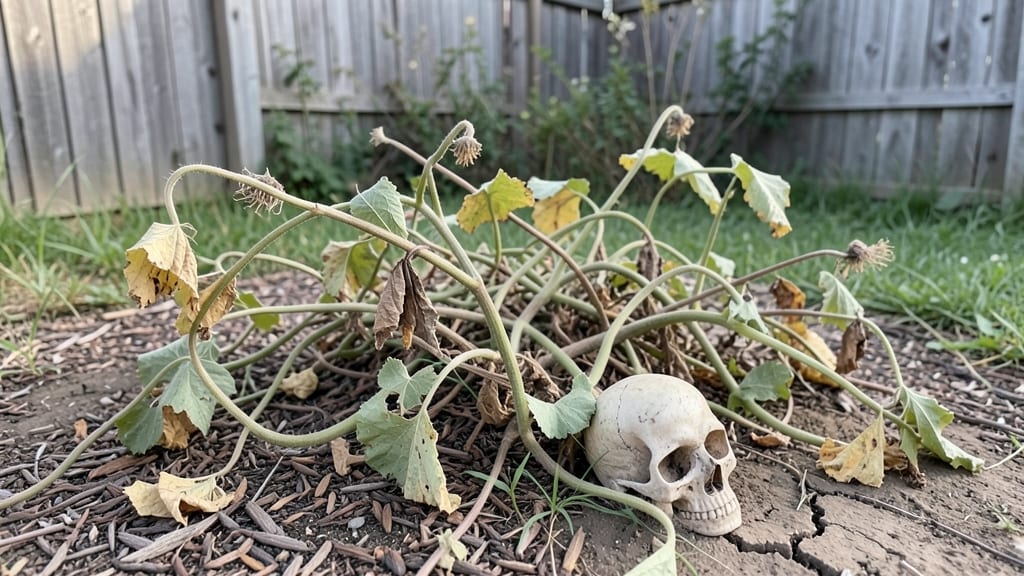
The world’s deadliest garden includes lethal plants like castor beans, angel’s trumpet, and oleander, packed with toxins such as ricin and cardiac glycosides. Cultivating these requires rigorous safety measures—think heavy-duty gloves, sealed storage, and childproofing protocols.
These plants aren’t just dangerous—they’re designed to kill. 🌿 Castor beans release ricin, a protein that shuts down ribosomes in cells, while angel’s trumpet contains atropine, which can stop your heart in minutes. Even touching some, like oleander, can cause skin irritation or worse.
I’ve seen gardeners accidentally poison themselves by not following protocols like wearing two layers of gloves or storing seeds in locked cabinets. The key is treating these plants like live grenades—respect the distance and the barriers.
What’s wild is how some of these plants look harmless. 💫 Oleander, for example, has beautiful pink flowers that lure people into touching them. That’s why I always recommend growing them in controlled environments—like greenhouses with restricted access—or skipping them entirely for safer alternatives like sunflowers or marigolds.
The risk simply isn’t worth the reward, no matter how stunning the blooms.
💡 In This Article
- Deadly Plant Toxins and Their Effects
- Safety Guidelines for Cultivating High-Risk Plants
Deadly plant toxins and their effects
Ricin, found in castor beans, works by permanently disabling ribosomes—the cellular machines that build proteins. A single 0.5 milligrams of ricin can kill an adult, making it 6,000 times more toxic than cyanide by weight.
The toxin binds to a specific site on the ribosome's large subunit (28S rRNA), halting protein synthesis and causing organ failure within 36-72 hours. Symptoms start with nausea and vomiting, then progress to seizures and coma as cells starve for proteins.
Angel's trumpet contains atropine and scopolamine, which overstimulate the nervous system by blocking acetylcholine receptors. Just 10 milligrams of atropine can stop your heart, while scopolamine induces hallucinations and memory loss at lower doses.
The plant's milky sap contains these alkaloids in concentrated form, and even touching it can cause skin absorption. 🌿 Unlike ricin's delayed effect, these toxins act rapidly—within 15-30 minutes of ingestion, leading to dilated pupils, rapid heartbeat, and potential cardiac arrest.
Oleander's toxicity comes from cardiac glycosides like oleandrin, which disrupt sodium-potassium pumps in heart cells. A single leaf contains enough toxin to kill a child, with symptoms appearing within 6-24 hours—chest pain, irregular heartbeat, and eventual heart failure.
The plant's bright flowers and glossy leaves make it particularly dangerous, as people often mistake it for ornamental plants like jasmine. Even burning oleander releases toxic fumes containing oleandrin and neriolin, which can cause respiratory failure.
Animal toxicity varies dramatically—dogs are 10 times more sensitive to ricin than humans, while cats show delayed reactions to cardiac glycosides. The key difference lies in liver metabolism: felines process toxins more slowly, leading to prolonged exposure.
For example, a 50-pound dog might die from ingesting just 5 castor bean seeds, while a human would need 20-30 seeds for a lethal dose. This species-specific variance explains why veterinary cases often involve accidental poisoning from fallen seeds.
Plant structures amplify danger—thorns on oleander deter handling, while castor bean pods release ricin only when crushed. The latex sap of euphorbias contains diterpenes that cause severe skin burns, while angel's trumpet's trumpet-shaped flowers concentrate alkaloids in the nectar.
These adaptations make even casual contact risky. For instance, a gardener might suffer third-degree burns from touching euphorbia sap without gloves, while inhaling crushed oleander leaves can trigger pulmonary edema within minutes.
What most people don't realize is how persistent these toxins remain. Ricin stays potent for decades in dried seeds, while atropine degrades slowly in soil. Even composting toxic plants can release dangerous levels of alkaloids into groundwater.
The lesson? Treat these plants with the same caution as radioactive materials—never assume they're safe just because they're not actively growing. 💀