
Pests
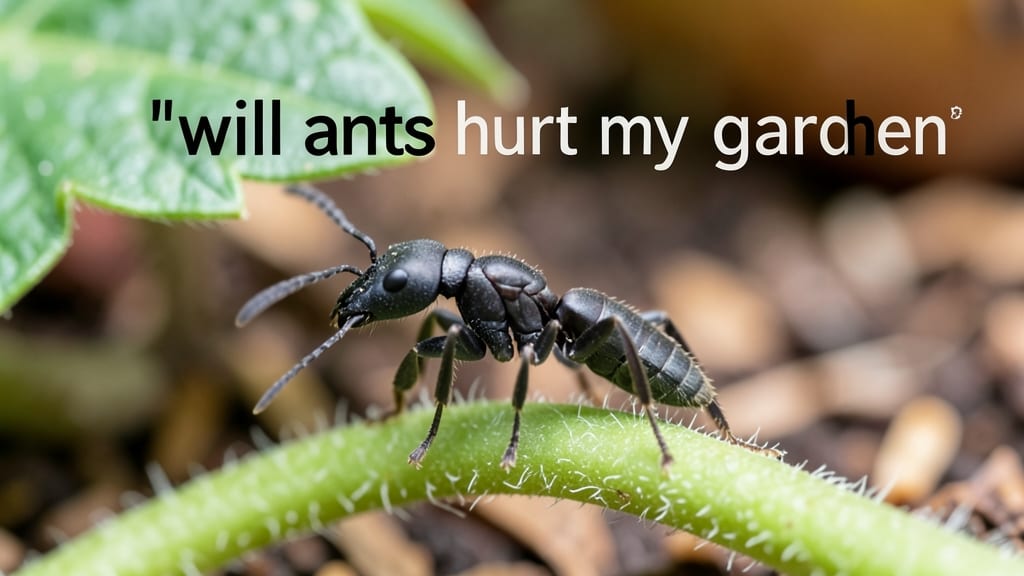
Will ants hurt my garden? Most ants don't directly damage plants, but they can create problems by sheltering pests like aphids that sap plant nutrients or by tunneling through soil, which disrupts roots. While many species are harmless scavengers, carpenter ants may compromise nearby wooden structures.
Ants often get a bad rap, but they play a complex role in garden ecosystems. 🌱 The real concern comes from their relationships with other pests—ants "farm" aphids by protecting them from predators, allowing those aphids to multiply and drain your plants' vitality.
Meanwhile, their underground tunnels can improve soil aeration for some plants, but they may also create pathways for disease or destabilize shallow roots. The key is identifying which species you're dealing with: harvester ants, for example, actually help control other pests, while Argentine ants can become invasive and aggressive.
Most gardeners don't need to panic about ants, but keeping their numbers in check can prevent bigger problems down the road. A few targeted interventions—like strategic herb planting or natural repellents—can make all the difference without harming your garden's balance.
The good news is that ants rarely justify chemical treatments, giving you plenty of organic options to maintain harmony in your outdoor space.
💡 In This Article
- How Ants Affect Plant Health Indirectly
- Natural Ways to Manage Ants Without Harming Gardens
How ants affect plant health indirectly
Here's what's actually happening when ants set up shop in your garden: they act as bodyguards for sap-sucking pests like aphids, mealybugs, and scale insects. These tiny invaders produce a sugary substance called honeydew that ants farm for food.
In exchange, ants protect these pests from predators like ladybugs and lacewings, allowing the pests to multiply unchecked. A single aphid colony can produce up to 50 gallons of honeydew per acre annually, creating sticky residue that blocks sunlight and encourages sooty mold growth on leaves.
The impact on your plants is twofold: first, aphids insert their needle-like mouthparts into plant stems and leaves, sucking out cell sap containing vital nutrients. This weakens plants, stunts growth, and makes them more susceptible to disease.
Second, the honeydew attracts other pests like ants and wasps, creating a positive feedback loop of infestation. For example, Argentine ants form supercolonies that can cover entire gardens, creating a monoculture of protected pests that no natural predator can control.
Ant tunnels tell a different story about soil health. While some species like harvester ants create vertical shafts that improve soil aeration and water penetration, others like fire ants build extensive horizontal tunnels just 1-2 inches below the surface.
These shallow networks can disrupt root systems of shallow-rooted plants like lettuce or strawberries, making them more vulnerable to windthrow or drought. The tunnels also create pathways for fungal spores and bacterial infections to spread more efficiently through the soil matrix.
Not all ants are created equal—harvester ants, for instance, actually help control other pests by preying on insect eggs and larvae. Their mounds also create microhabitats that benefit beneficial insects like ground beetles. Meanwhile, Argentine ants form aggressive colonies that outcompete native species, creating ecological imbalances.
The key difference lies in their behavior: beneficial ants have natural predators that keep their populations in check, while invasive species like Argentine ants lack these controls.
What most people don't realize is how ants manipulate their environment. Some species like acacia ants even cultivate mutualistic relationships with plants, but in gardens, we're usually dealing with opportunistic species.
Their tunnels can increase soil porosity by up to 30% in some cases, which helps with drainage—but this same porosity can also make soil more susceptible to erosion during heavy rains.
The bottom line is that ants rarely harm plants directly, but their indirect effects can create a cascade of problems that compound over time.
Consider this: a single ant colony can contain hundreds of thousands of individuals, each capable of transporting pests and disrupting soil. The visible damage might take weeks or months to appear, but the biological interactions happen almost instantly.
This is why early intervention—like introducing natural predators or creating physical barriers—can prevent small ant problems from becoming full-blown garden crises. 🌱