
Picking
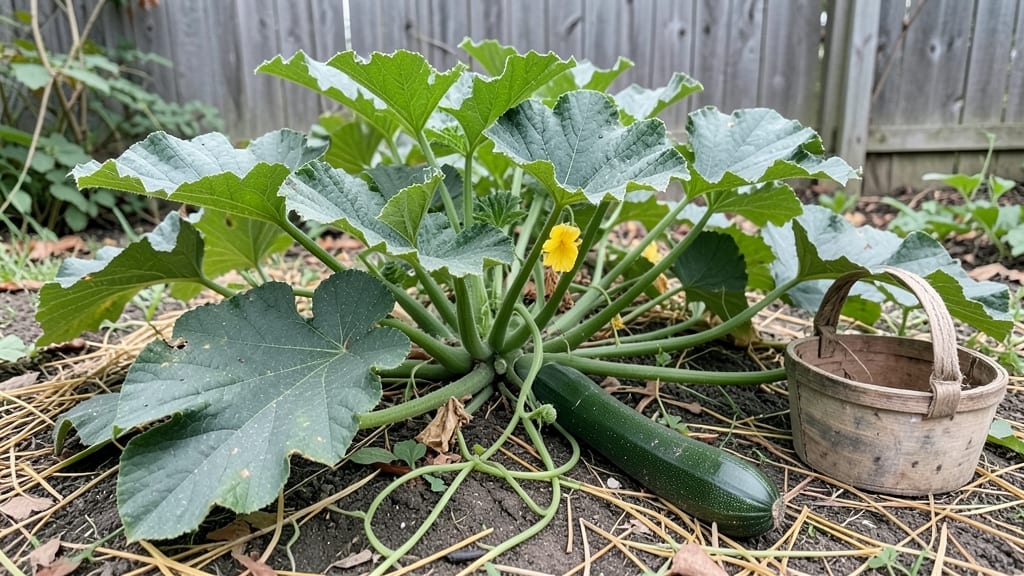
Picking zucchini from your garden at the right moment transforms a wild, unruly harvest into a steady supply of tender, flavor-packed squash 🎃.
Zucchini plants can produce an overwhelming harvest in just weeks—leaving you with more squash than you know what to do with. But timing your harvest perfectly ensures tender, flavorful zucchini while preventing bitter overgrowth.
Here’s the secret: harvest when your zucchini reaches 6-8 inches long, with skin that resists gentle thumb pressure and a deep green color. This simple check keeps your plants productive and your kitchen stocked.
Below, I’ll walk you through the exact visual cues, the best time of day to pick, and how to avoid the bitter, overgrown zucchini that ruins dishes. You’ll never waste another harvest again.
3 Visual signs your zucchini is ready for harvesting
If you’ve ever ended up with a foot-long zucchini that’s tough and seedy, you know timing is everything. The secret to tender, flavorful zucchini lies in recognizing 3 key visual cues that signal peak ripeness.
These signs help you avoid the dreaded "zucchini monster" while ensuring your harvest stays delicious. Let’s break down what to look for when checking your plants.
Zucchini grows rapidly—sometimes 2 inches per day—so daily inspections pay off. The best time to harvest is in the morning after dew dries, when the fruit is crispest. Grab a sharp knife or pruning shears and examine each squash for these telltale indicators before cutting.
Here’s what to watch for:
Zucchini reaches peak flavor at 6–8 inches. Any shorter (4–5 inches) means it’s underripe, while anything longer risks becoming woody and bitter. Measure from blossom end to tip for accuracy.
Press your thumb into the skin. If it springs back and doesn’t dent, it’s ready. Soft or yielding skin means it’s still growing, while a hard, thick rind signals overmaturity.
Mature zucchini should be a uniform, glossy green. Pale or yellowing patches mean it’s overripe, while streaks of white or light green indicate uneven growth (often from inconsistent sunlight).
Slice one end to peek inside. Tiny, pebble-sized seeds mean it’s perfect. Larger, hard seeds (like peas) signal overripeness. If seeds are black and shriveled, the zucchini’s past its prime.
Pro tip: Harvest every 2–3 days during peak production to encourage more flowers—and more zucchini!—to form. Skipping harvests stresses the plant, leading to bitter, lopsided fruit and fewer future blooms. Think of it like pruning: the more you pick, the more your plant rewards you.
Color variations can also hint at nutritional shifts. For example, yellow-striped zucchini (like ‘Gold Rush’) should have bright yellow bands, not dull green. Always compare to the variety’s ideal color in seed packets or catalogs.
If in doubt, err on the side of smaller and firmer—it’s better to harvest early than late.
One common mistake? Waiting for zucchini to reach 9+ inches because you think bigger means better. In reality, size after 8 inches correlates with tougher texture and more seeds.
The sweet spot is that 6–8 inch window, where flavor and texture are at their best. Save giant zucchini for bread or roasting, where texture matters less.
Finally, pay attention to the blossoms. If you see new flowers opening while you’re harvesting, your plant is still producing. This means you’re on track! But if flowers wilt without setting fruit, your plant may need more water or fertilizer to keep up with demand.
Master these 3 visual cues, and you’ll never again face a kitchen counter buried under oversized, seedy zucchini. Happy harvesting—and enjoy that first bite of tender, vine-ripened squash! 🌱
Why picking zucchini early prevents bitterness & overgrowth
Zucchini plants grow with astonishing speed, often producing 5-10 pounds of squash per plant in just 2-3 weeks once flowering begins.
But this rapid growth comes with a catch: the longer you leave zucchini on the vine, the more bitter compounds develop, and the plant itself becomes stressed, leading to overgrowth and fewer new fruits. Understanding the science behind this helps you keep your harvest productive and delicious.
When zucchini reaches 6-8 inches in length, it’s at peak flavor—sweet, tender, and packed with nutrients. Waiting just a few more days triggers a shift in the plant’s focus. Instead of producing new flowers and fruits, it diverts energy toward seed development, which is when bitterness kicks in.
This is your plant’s way of preparing for reproduction, but it’s not what you want for homegrown meals.
🌱
⚠️ When to Pick Zucchini to Avoid Bitterness
Harvest zucchini when they’re 6-8 inches long—any longer and the skin thickens, seeds enlarge, and bitterness increases. Check the skin firmness (press gently with your thumb; it should resist slightly) and color consistency (deep, even green). If you see yellowing blossom ends, the zucchini is already past its prime.
📌 Pro Tip: Use a sharp pruning shear to cut the stem, leaving a small portion attached. This prevents damage to the plant and encourages faster regrowth.
Frequent harvesting isn’t just about flavor—it’s about plant health and yield. When you pick zucchini regularly, the plant responds by producing 2-3 times more flowers and fruits than if left to overgrow.
I’ve seen this firsthand in my garden: a single zucchini plant that’s harvested every 2-3 days can yield 50-100 pounds of squash over a season, while an unharvested plant might produce just 10-20 pounds but with poor quality.
Think of it like a feedback loop: the more you pick, the more the plant produces. This is because removing mature zucchini signals the plant to keep flowering and fruiting.
In contrast, leaving zucchini on the vine for too long sends a message to the plant that it’s time to focus on seed production, which halts new fruit development.
This is why gardeners often describe zucchini plants as self-regulating—they’ll stop producing if you don’t keep up with the harvest.
For the best results, aim to harvest zucchini every 2-3 days during peak production (usually July through August). If you’re away for a few days, you can pick larger zucchini (up to 12 inches), but be prepared for a softer texture and milder flavor.
These larger squash are still edible—just not ideal for most recipes. Store them in a cool, dry place and use within 3-5 days to avoid further bitterness.
💧