
Picking
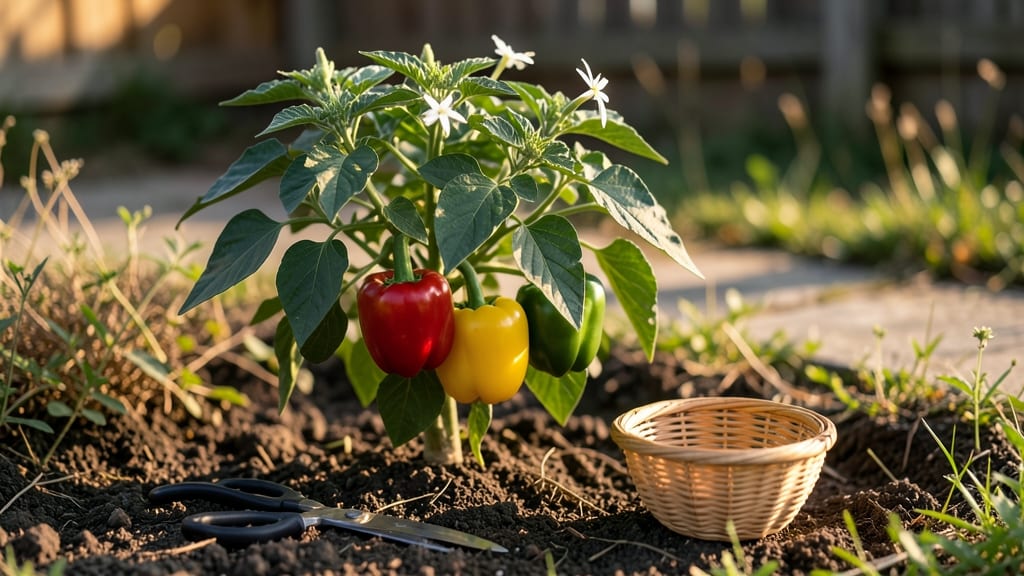
Picking peppers from your garden at the right time turns bitter into bold flavor and firm into perfectly tender walls.
Harvesting too early means rubbery, underdeveloped pods, while waiting too long risks wrinkled skin and wasted harvests. The secret? Watching for three key cues: color shifts, size consistency, and that telltale stem separation that signals peak ripeness.
Whether you’re growing sweet bell peppers or fiery jalapeños, timing matters more than you think. Miss it, and you’ll end up with a harvest that’s either too mild or painfully hot—neither of which you want.
Here’s how to spot the exact moment your 🌶️ peppers are ready, plus pro tips to stretch your harvest season and avoid common mistakes that ruin flavor.
Peppers ripeness stages by color: the exact timing for sweet vs spicy harvest
Peppers transform dramatically as they ripen, shifting from green to vibrant colors like yellow, orange, or red. Each color stage signals a different flavor profile—bell peppers sweeten as they mature, while jalapeños or habaneros intensify in heat.
Knowing these stages ensures you harvest at peak quality, whether you crave mild sweetness or fiery spice.
Color isn’t the only clue—size, texture, and even stem separation play critical roles. For example, a red bell pepper should be glossy and firm, while a habanero’s heat peaks at bright orange.
Below, I break down the exact timing and visual cues for each stage, so you never miss the perfect moment.
🌱 Pro Tip: Always twist peppers at the stem—don’t cut—to avoid damaging the plant. A clean break at the stem means it’s ready for harvest.
| Variety | Color Stage | Size Threshold | Texture | Flavor Profile | Days to Harvest |
|---|---|---|---|---|---|
| Bell Pepper | Green | 3-4 inches | Firm, glossy | Mild, slightly bitter | 60-75 days |
| Bell Pepper | Yellow | 4-5 inches | Slightly softer | Sweet, fruity | 75-85 days |
| Bell Pepper | Red | 4-5 inches | Glossy, firm | Sweetest, richest | 85-90 days |
| Jalapeño | Green | 2-3 inches | Firm, waxy | Mild, grassy | 60-70 days |
| Jalapeño | Red | 2-3 inches | Slightly wrinkled | Hotter, fruity | 70-80 days |
| Habanero | Orange | 1-2 inches | Thin, glossy | Extreme heat | 90-100 days |
| Habanero | Red | 1-2 inches | Wrinkled | Heat peaks | 100-110 days |
For bell peppers, green is the default stage, but they’re often harvested
5 Signs your peppers are overripe (or underripe) and how to fix it
Even experienced gardeners sometimes struggle to tell when peppers are truly ripe—or past their prime. Overripe peppers lose flavor and texture, while underripe peppers can be bitter or overly spicy. The key lies in understanding subtle cues like skin texture, stem separation, and internal firmness.
I’ve harvested hundreds of peppers, and these visual and tactile clues have saved my crops from going to waste.
One common mistake? Waiting for bell peppers to turn red when they’re actually overripe. Or picking habaneros too early, which dilutes their capsaicin content. Even small errors in timing can turn a perfect harvest into a disappointing one.
Let’s break down the 5 warning signs and how to salvage your peppers—whether they’re still green or already wrinkled.
⚠️First, let’s tackle underripe peppers. These often appear firm to the touch and lack the sweet aroma of a ripe pepper. If you’ve picked them too early, don’t toss them!
Wrap them in newspaper (the ink helps ripen them faster) and place them in a warm, dark spot like a pantry. Check them every 2-3 days—they’ll soften and develop color within a week. This trick works best for bell peppers and jalapeños.
Now, for overripe peppers, look for wrinkled skin or a hollow center. These peppers are past their prime and may have a mushy texture. While they’re not ideal for fresh eating, you can still use them in cooked dishes or freeze them for later.
If your peppers are too spicy (a sign of overripeness in varieties like habaneros), harvest them earlier next time—the capsaicin peaks at full ripeness but can become overwhelming.
Another red flag? Peppers that stay green long after others have colored up. This often happens with bell peppers due to temperature fluctuations or nutrient deficiencies. To fix it, ensure your plants get 6+ hours of sunlight daily and feed them a balanced fertilizer (like 5-10-10).
For spicy varieties, like jalapeños, green peppers can still be delicious—just less sweet than their ripe counterparts.
Here’s a quick troubleshooting guide for common pepper varieties:
- Bell Peppers: Wait until they’re fully colored (red, yellow, or orange) and stem-separation occurs. If they stay green, check for low sunlight or cool nights.
- Jalapeños: Harvest when they turn green or red and feel slightly soft. Overripe ones turn red and wrinkled.
- Habaneros: Pick when they’re orange or red and glossy. For max heat, wait until they’re fully colored—green habaneros are milder.
Remember, pepper ripeness is a balance of color, texture, and aroma. Next time you’re unsure, give them a gentle squeeze—if they yield slightly, they’re ready. If they’re rock-hard or mushy, adjust your harvest timing. With these tips, you’ll never waste another pepper again! 🌱