
Picking
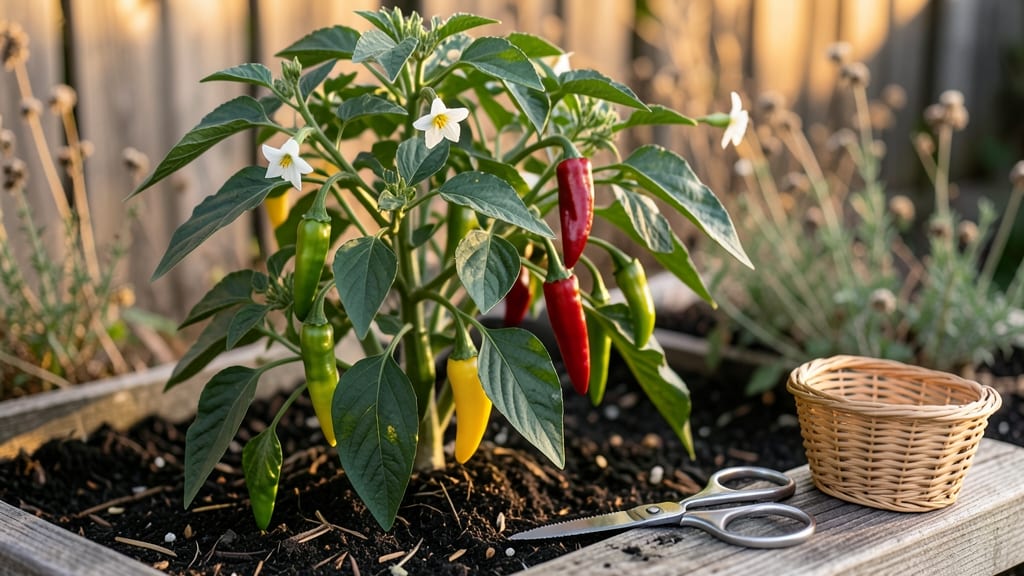
Picking your garden salsa peppers at the right time means the difference between fiery, restaurant-quality heat and a bitter, mealy disappointment.
Timing is everything when harvesting 🌶️ salsa peppers—pick too early, and you’ll sacrifice bold flavor; wait too long, and they’ll turn bitter or mealy. Mastering the harvest window ensures your garden yields peppers packed with the perfect balance of heat and sweetness.
Most varieties reach peak ripeness between July and September, but color isn’t the only clue. Learn how to test firmness, size, and even seed development to know exactly when to snip—because waiting too long means losing that prized flavor.
Inside, I’ll break down the color-coded ripeness stages, climate-dependent harvest windows, and pro tips to store your peppers so they stay fresh for months—whether you’re making salsa or drying them for later.
Salsa pepper ripeness stages: color-coded harvest guide by variety
Harvesting salsa peppers at the perfect moment transforms your garden bounty into restaurant-quality heat. Each variety reaches peak flavor at different color stages, and missing the window means sacrificing sweetness or heat intensity.
For example, a jalapeño picked too early tastes bland, while a habanero left on the vine too long becomes bitter and mealy. Understanding these color-coded ripeness stages ensures you harvest when the flavors are most balanced and potent.
Not all salsa peppers follow the same ripening pattern. Some varieties change from green to red, while others mature to yellow, orange, or purple. The flavor profile shifts dramatically at each stage—green peppers are milder and crunchier, while fully ripe peppers develop deeper sweetness and heat.
Below, I’ve broken down the optimal harvest windows for the most popular garden varieties, complete with color cues and flavor notes to guide your harvest timing.
Pro Tip: Always harvest in the morning when peppers are firm and cool. This ensures you’re picking at their peak freshness and flavor. Use a clean, sharp pair of pruning shears to avoid damaging the plant, and leave a small stem attached to preserve shelf life.
🌶️ Variety-Specific Ripeness Guide
<summary-table>| Variety | Ripeness Stage | Color Cues | Size (inches) | Flavor Profile | Optimal Harvest Time |
|---|---|---|---|---|---|
| Jalapeño | Green | Deep green with glossy skin | 2-3 | Crisp, mild to medium heat (2,500-8,000 SHU) | 60-75 days after transplant |
| Jalapeño | Red | Bright red or purple | 2-3 | Sweeter, fruitier, with increased heat (8,000+ SHU) | 80-90 days after transplant |
| Serrano | Green | Shiny green, slightly tapered | 1-2 | Tangy, grassy, hotter than jalapeño (10,000-23,000 SHU) | 60-70 days after transplant |
| Serrano | Red | Deep red or orange | 1-2 | Fruity, smoky, intense heat (23,000+ SHU) | 75-85 days after transplant |
| Habanero | Green | Light green, wrinkled skin | 2-3 | Grassy, citrusy, mild heat (100,000-350,000 SHU) | 90-100 days after transplant |
| Habanero | Orange/Red | Bright orange or red | 2-3 | Fruity, floral, explosive heat (350,000+ SHU) | 100-120 days after transplant |
| Poblano | Green | td>Dark green, glossy, slightly wrinkled4-6 | Earthy, slightly sweet, mild heat (1,000-2,000 SHU) | 80-90 days after transplant | |
| Poblano | Red | Deep red or purple | 4-6 | Sweet, smoky, mild heat (1,000-2,000 SHU) | 90-100 days after transplant |
For jalapeños and serranos, the green stage is ideal if you prefer a crunchier texture and milder heat, while the red stage delivers a sweeter, fruitier flavor with more heat intensity. Habaneros, on the other hand, should never be picked green—their heat potential peaks only when fully ripe, typically orange or red. Poblano peppers are best harvested green for stuffing or frying, but they develop a richer flavor when allowed to ripen to red.
Climate plays a role in ripening too. In hotter climates, peppers may ripen faster, so check them every 2-3 days once they reach 70% of their mature size.
In cooler regions, extend your harvest window by 1-2 weeks and focus on green peppers if full ripening isn’t achievable. Always prioritize firmness over color—peppers should yield slightly when gently pressed but not feel mushy.
If you’re growing peppers for salsa, aim to harvest a mix of green and ripe peppers for balance. Green peppers add crunch and fresh
How to test pepper ripeness beyond color: the finger-press method
Color alone isn’t always the best indicator of pepper ripeness—especially for salsa peppers where flavor and heat intensity matter most. Many gardeners rely on the finger-press method to determine true maturity, which checks skin firmness, seed development, and overall texture.
This tactile approach helps avoid harvesting too early (when peppers lack flavor) or too late (when they become mealy or bitter).
Start by gently pressing a pepper between your thumb and forefinger near the stem. A ripe pepper will yield slightly but still feel firm—like pressing a ripe avocado. If it feels rock-hard or springs back instantly, it’s not ready.
Conversely, if it feels mushy or leaves a dent, it’s overripe. This method works for jalapeños, serranos, and other salsa pepper varieties, regardless of their final color.
⚠️ CALLOUT WARNING
Peppers reach full size before they’re fully ripe. A 3-inch jalapeño might look perfect but still taste bland if harvested too early. Always combine finger-press tests with color consistency and seed maturity (seeds should be fully formed but not shriveled).
🔍 Pro Tip: Check 3-5 peppers per plant—some varieties ripen unevenly due to uneven sunlight or nutrient imbalances.
Pay attention to seed development—another key indicator. Open a pepper and examine the seeds: fully ripe seeds are plump and white, while underripe seeds appear translucent or shriveled.
Overripe seeds may turn dark or mushy. For salsa peppers, this step is crucial because seed maturity directly impacts heat levels and flavor complexity.
Skin thickness also reveals ripeness. A ripe pepper’s skin should be slightly glossy and 1-2mm thick near the stem. If the skin feels papery or cracks easily, the pepper is overripe.
Thin-skinned peppers (like serranos) are especially prone to this—harvest them before the skin loses its snap. Always twist peppers gently at the stem to avoid tearing the plant.
Uneven ripening is a common issue, especially in partial-shade conditions or when plants receive inconsistent water. If some peppers on a branch ripen faster than others, prioritize harvesting the riper ones first.
This encourages the plant to focus energy on the remaining peppers. For jalapeños and poblano peppers, this strategy helps maintain consistent flavor across your harvest.
Finally, time your harvests based on daily temperature fluctuations. Peppers ripen faster in consistent 75-85°F conditions but slow down in cooler weather. In USDA Zone 6a, aim to harvest jalapeños between mid-July and early September for peak flavor.
Always harvest in the morning when peppers are cool and firmest.