
Fertilization
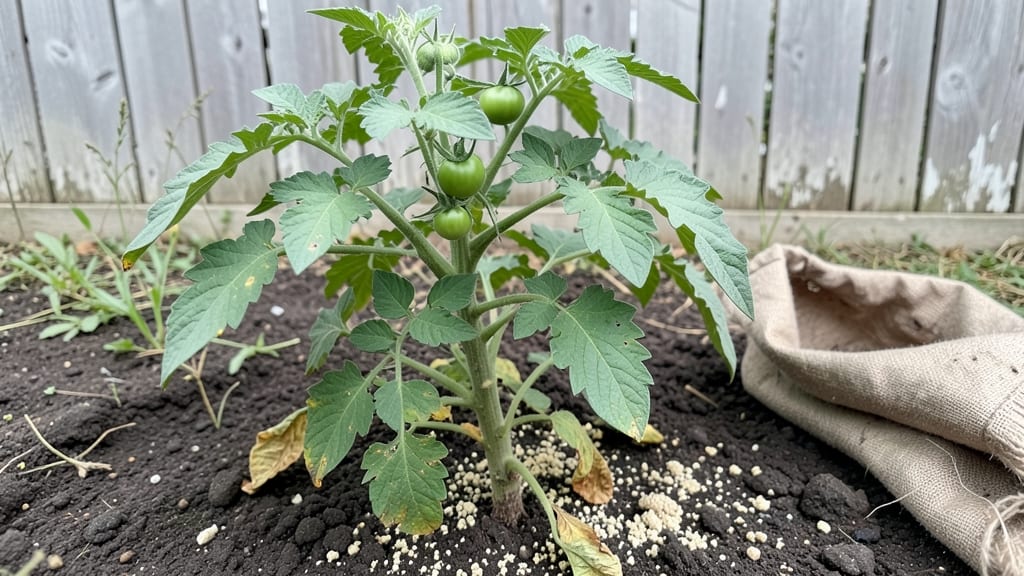
The best time to fertilize your garden is right after planting and again every 4-6 weeks during active growth—timing that can transform weak seedlings into thriving plants 🌱.
Timing your garden fertilization like a pro can mean the difference between lush, thriving plants and struggling growth—here’s the science-backed seasonal schedule every gardener needs.
For spring-planted General Garden in USDA Zone 6a, the first feeding should happen April 15 (after the last frost), when roots are establishing but before the heat of summer. Too early, and nutrients get washed away; too late, and your plants play catch-up.
Below, I’ll break down the exact windows for spring prep, summer maintenance, and why fall fertilization is a myth—plus how to read your soil’s hunger cues.

Best seasonal times to fertilize your garden for maximum growth
Fertilizing your garden at the right time is like giving your plants a perfectly timed energy boost—they thrive when fed during their most active growth phases. Spring kickstarts the season, summer maintains momentum, and fall can provide late-season nourishment for perennials.
Missing these windows means wasted nutrients or stressed plants. Let’s break down the best times to fertilize by season and plant type so you can grow a garden that’s the envy of the neighborhood.
Timing isn’t one-size-fits-all—vegetables, flowers, and lawns each have unique needs. For example, cool-season crops like kale and spinach need early-season feeding, while tomatoes and marigolds benefit from mid-season boosts.
Even perennials like roses or hostas have specific windows where fertilizer does the most good. The key is aligning your feeding schedule with your plants’ natural growth cycles.
Here’s the science-backed breakdown of when to fertilize for maximum growth, organized by season and plant type. This table will help you plan your fertilization calendar so you never miss a critical window.
Spring is your first critical window—this is when you prep the soil and give plants the nutrients they need to burst into growth. For cool-season vegetables like lettuce or broccoli, fertilize as soon as the soil warms up (typically 2-4 weeks after the last frost).
Use a balanced fertilizer with equal parts nitrogen, phosphorus, and potassium to support all-around growth. If you’re planting perennials or shrubs, this is also the time to add compost or organic matter to enrich the soil for years to come.
Summer demands consistent feeding to keep up with rapid growth, especially for fruiting plants like tomatoes, peppers, and berries. These plants are heavy feeders and benefit from every 4-6 weeks during their peak growing months.
A potassium-rich fertilizer (like 5-10-10) helps produce stronger fruits and improves disease resistance. For lawns, focus on slow-release nitrogen in early summer to promote deep root systems before the heat sets in.
Don’t overlook fall fertilization—it’s a game-changer for perennials and shrubs. A light feeding in early fall (around September) helps strengthen roots before winter dormancy. Avoid high-nitrogen fertilizers, as they encourage tender new growth that won’t survive frost.
For cool-season vegetables planted in late summer, a gentle feeding can extend your harvest window, but stop fertilizing 6 weeks before the first frost to allow plants to harden off.
Winter is the one season you should skip fertilizing entirely. Plants are dormant, and feeding them can lead to nutrient runoff or even root damage from excess salts in the soil. Instead,
How to adjust fertilization timing based on plant life cycles
Understanding your plants' life cycles is the secret to timing fertilization perfectly. Annuals and perennials have completely different needs, and even within those groups, growth rates vary wildly.
For example, fast-growing crops like lettuce or radishes need frequent light feedings, while slow-maturing plants like artichokes or asparagus benefit from gradual, spaced-out nutrition. The key is syncing your fertilizer applications with each plant's natural growth stages—planting, flowering, and fruiting—to avoid wasting nutrients or burning tender roots.
Most gardeners make the mistake of fertilizing on a strict schedule without considering what's actually happening in their garden. A tomato plant in its vegetative growth stage needs nitrogen-rich food, but once it starts flowering, it craves phosphorus to set fruit.
Meanwhile, your daylilies might not need anything until they've finished blooming. By aligning your fertilization with these biological cues, you'll see healthier plants, bigger yields, and fewer wasted resources.
🌱 5 Critical Fertilization Windows by Plant Type
- 🌱 Annuals (Fast Growth): Fertilize every 2-3 weeks from planting until harvest. Use balanced fertilizer (10-10-10) for leafy greens, switch to high-phosphorus (5-10-10) when flowering starts.
- 🌿 Perennials (Established): Feed early spring (when new growth appears) and after first bloom. Avoid fertilizing late summer to encourage root strengthening before winter.
- ⚡ Fast-Growing Crops (e.g., radishes, spinach): Use liquid fertilizer weekly during active growth. Stop feeding 2 weeks before harvest to prevent bitterness.
- 🐢 Slow-Maturing Plants (e.g., trees, shrubs): Apply slow-release fertilizer in early spring and mid-summer. Avoid heavy feeding in fall or winter.
- 🌸 Flowering Plants: Shift to phosphorus-heavy fertilizer (e.g., 3-6-3) when buds form. Deadhead spent blooms and feed lightly to encourage reblooming.
Let’s break down the three key growth phases where fertilization makes the biggest difference. During the planting stage, focus on root development with a light application of compost or balanced fertilizer. This gives young plants the boost they need to establish strong roots before competing for nutrients.
For annual vegetables, I often mix in a slow-release granular fertilizer at planting time—this ensures a steady supply without the risk of overfeeding.
When plants enter the flowering and fruiting stages, their nutrient demands shift dramatically. This is when phosphorus and potassium become critical. For example, my tomato plants get a phosphorus-rich fertilizer (like bone meal) when the first flowers appear.
I also reduce nitrogen to prevent leafy growth at the expense of fruit production. Perennials like peonies follow a similar pattern—feed them after blooming to build energy for next year’s flowers.
Timing matters just as much as what you fertilize with. For cool-season crops like broccoli or kale, I fertilize in early spring and again in fall for a second harvest.
Warm-season plants like peppers or eggplants, on the other hand, need their first feeding after transplanting and then every 3-4 weeks until harvest. Pro tip: Always water your plants before and after fertilizing to prevent root burn and ensure nutrients reach the soil.
One of the biggest mistakes I see is over-fertilizing perennials in late summer. Many gardeners think their daylilies or hostas need a mid-season boost, but this can actually stimulate tender new growth that won’t survive frost.
Instead, I recommend a light feeding in early spring and a final application in late summer—just enough to support root strengthening without encouraging late-season growth. This small adjustment has kept my perennials thriving for years.
To make this easier, I’ve started keeping a simple garden journal where I track each plant’s growth stages and fertilization schedule. A quick note like “tomatoes: flowering → switch to 5-10-10, July 15” saves me from guessing later.
You can even use colored flags in your garden to mark plants that need attention at different stages. With a little practice, you’ll develop an intuitive sense for when each plant is ready for its next meal.