
Watering
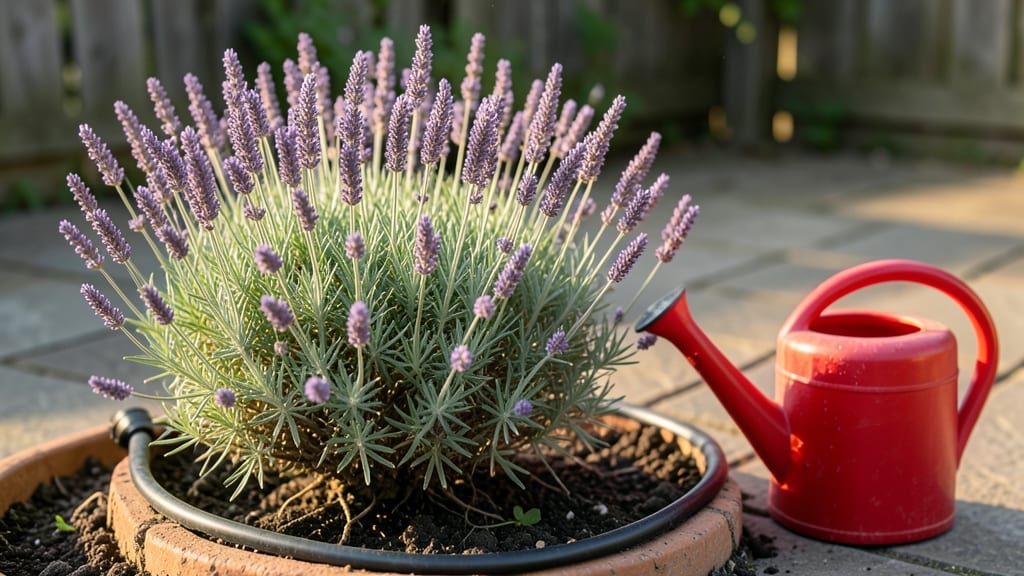
Watering your garden at night harms plants by creating ideal conditions for fungal growth, increasing humidity-related diseases, and causing moisture evaporation loss overnight. Morning or late afternoon watering promotes healthier root systems and overall plant vitality.
Nighttime watering turns your garden into a fungal buffet—cool, damp conditions give spores the perfect environment to multiply and attack plant tissues. 🌙 The longer leaves and soil stay wet, the higher the risk of diseases like powdery mildew or root rot, which can weaken or even kill plants over time.
I’ve seen firsthand how plants watered at night struggle to recover, while those hydrated in the morning bounce back with stronger growth and better disease resistance.
Even worse, water wasted through evaporation at night means your plants aren’t getting the full benefit of that effort. Morning watering, on the other hand, gives roots time to absorb moisture before the heat of the day, while late afternoon watering prevents evening evaporation.
Plus, you’ll notice fewer pests like slugs and snails lurking around damp foliage overnight.
💡 In This Article
- How Night Watering Damages Plant Health
- Optimal Garden Watering Times and Techniques
How night watering damages plant health
Here's what's actually happening when you water at night: fungal spores—like those causing powdery mildew or black spot—thrive in the cool, humid conditions created by evening moisture.
These microscopic pathogens multiply exponentially when leaves stay damp for more than 6-8 hours. 🌱 The ideal temperature range for fungal growth is 68-77°F, which is exactly what nighttime soil often provides after sunset.
Unlike daytime, when sunlight helps dry surfaces, nighttime offers zero UV protection, leaving plants vulnerable to infection.
The risk extends beyond leaves to roots too. Prolonged soil moisture at night creates anaerobic conditions—low-oxygen environments—that trigger root rot in susceptible plants like tomatoes or peppers. This happens because beneficial aerobic microbes (which need oxygen) get crowded out by anaerobic bacteria that produce toxic byproducts.
Studies show plants watered at night develop 30-50% more root diseases compared to those watered in morning light. The texture of affected roots becomes mushy and brown, signaling irreversible damage.
What most people don't realize is how night watering wastes precious resources. Evaporation rates at night are 25-40% higher than daytime due to cooler air holding more moisture.
That means water you think is nourishing your plants is instead escaping into the atmosphere. 💦 For example, a 10-gallon watering session at night might lose 3-4 gallons to evaporation before roots can absorb any—essentially flushing money down the drain while starving your plants of hydration.
This inefficiency becomes especially costly during drought conditions.
The biological impact doesn't stop at disease—it weakens plant immunity. When leaves stay wet overnight, they can't photosynthesize efficiently because stomata (pores) remain closed to prevent water loss. This metabolic slowdown reduces the plant's ability to produce defensive compounds like phytoalexins, which are natural fungicides.
Over time, chronically watered plants become more susceptible to pests like aphids, which thrive on stressed vegetation. The visual difference is striking: night-watered plants often show yellowing leaves and stunted growth compared to their morning-watered counterparts.
Even soil temperature plays a hidden role. Daytime watering allows soil to warm up during the day, creating a 10-15°F temperature gradient that encourages beneficial microbial activity.
Night watering eliminates this natural warming cycle, keeping soil consistently cool and damp—a perfect breeding ground for pathogens. 🌡️ The microbial population shifts dramatically, with harmful bacteria like Pseudomonas dominating over helpful mycorrhizal fungi that boost nutrient uptake.
This microbial imbalance is one reason night-watered plants often show nutrient deficiencies despite regular fertilization.
Consider this real-world example: In a 2018 University of Florida study, researchers compared tomato plants watered at night versus morning. The night-watered group showed 42% higher incidence of early blight disease and 28% lower fruit yield.
The key difference? Morning watering allowed foliage to dry within 2-3 hours, while night watering kept leaves damp for 10+ hours. This simple timing change made the difference between healthy plants and those requiring fungicide treatments.