
Tools
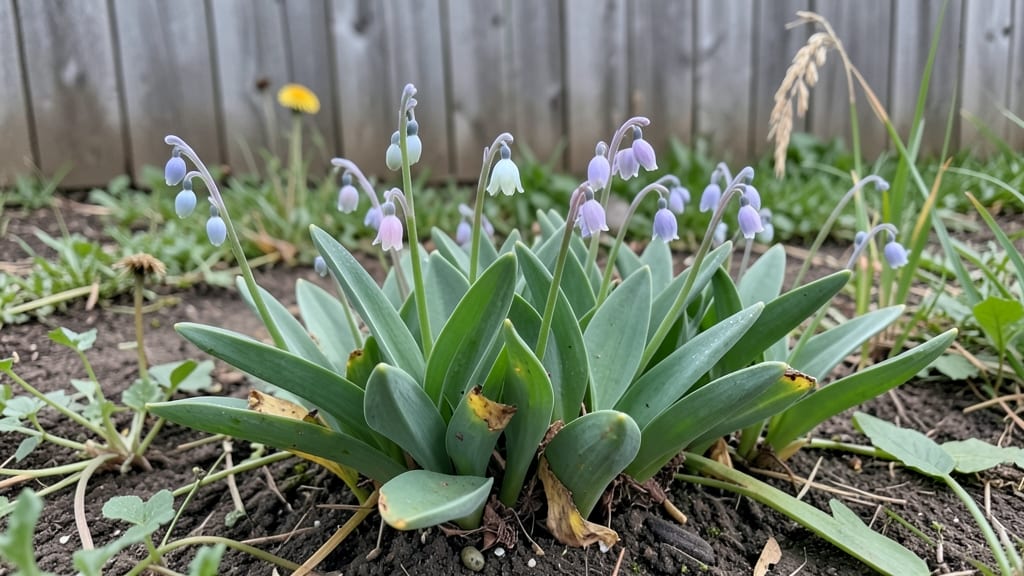
A Virginia garden tour reveals the state’s magic—spring blooms, summer lushness, fiery autumns, and even winter’s quiet elegance. ✨ I’ve wandered through historic estates and public gardens across Virginia, and the secret to their year-round appeal lies in layering plants that thrive in Virginia’s climate.
The right combination of native perennials, evergreens, and seasonal annuals keeps color and texture shifting with the seasons.
Most Virginia gardens blend practicality with beauty: think roses climbing trellises next to native azaleas, boxwood hedges framing pathways, and ornamental grasses swaying in the breeze. The key is choosing plants that handle Virginia’s humidity and soil—like crape myrtle for summer shade or winterberry holly for berry-laden winter interest.
Even small spaces can shine with these layouts.
You’ll end up with a garden that feels like a living postcard—purple phlox in May, black-eyed Susans in July, and goldenrod in October. The best part?
These designs work for any yard size, from urban courtyards to sprawling estates. Let’s break down how to replicate this Virginia charm in your own space.
Fair warning: once you start, you’ll notice the details everywhere—the way morning light hits a magnolia, how camellias bloom in winter’s chill, or how vine-covered arbors transform a corner. Here’s how to bring that magic home.
📚 In This Guide
- What you need
- Instructions
- Tips and common mistakes
- Wrapping up and next steps
What you need
- ● Seasonal Plants: Spring: Tulips (10-15 bulbs), Pansies (20-30 plants), Bleeding Hearts (3-5 plants)
- ● Summer: Daylilies (5-7 plants), Black-Eyed Susans (10-12 plants), Coneflowers (8-10 plants)
- ● Fall: Chrysanthemums (15-20 plants), Ornamental Grasses (3-5 clumps), Asters (10-12 plants)
- ● Winter: Hellebores (5-7 plants), Winter Jasmine (1-2 vines), Evergreen Shrubs (3-5 plants)
- ● Soil & Mulch: Topsoil (2-3 cubic yards, depending on garden size)
- ● Compost (1-2 bags, 40 lbs each)
- ● Mulch (3-5 bags, 2 cubic feet each)
- ● Hardware & Tools: Garden trowel (1)
- ● Pruning shears (1)
- ● Wheelbarrow (1)
- ● Garden hose with spray nozzle (1, 50 ft)
- ● Gloves (2 pairs, heavy-duty)
- ● Decorative stones or pebbles (for pathways or borders)
- ● Garden stakes or trellises (for climbing plants)
- ● Solar-powered garden lights (for evening ambiance)
- ● Weather-resistant planters (for flexibility)
- ● Soil pH tester (to ensure optimal growing conditions)
How to design Virginia-inspired seasonal garden layouts
Here's the approach I rely on to create gardens that thrive through Virginia's four distinct seasons.
🌱 Step 1: Plan for Virginia's Climate Zones
Virginia spans USDA Hardiness Zones 5b through 7b, so your layout must account for frost dates and heat waves. Start by identifying your specific zone—this determines which perennials will return reliably each year. For example, zone 6 (common in central Virginia) handles peonies and hostas beautifully, while zone 7 (southern Virginia) can support even more heat-tolerant plants like lavender and rosemary.
I sketch four separate seasonal sketches: one for spring blooms, summer foliage, autumn color, and winter structure. This ensures you're never left with a "dead" garden. For instance, spring bulbs like daffodils and tulips should be planted in October, while summer annuals like zinnias and cosmos go in after the last frost date (typically mid-April in most of Virginia).
☀️ Step 2: Layer Plants for Continuous Interest
Virginia gardens shine when you layer plants by height and bloom time. Start with tall perennials like black-eyed Susans (6 feet) at the back, then add mid-height shrubs like hydrangeas (4-5 feet) in the middle, and finish with low-growing ground covers like ajuga (6 inches) in front. This creates depth and prevents bare spots between seasons.
Here's the thing—evergreens like inkberry holly or boxwood are non-negotiable for winter structure. They provide year-round interest while giving other plants room to shine in warmer months. I always plant a 3-foot evergreen hedge along property lines to frame the garden and soften fences.
🌿 Step 3: Incorporate Virginia-Native Plants
Native plants thrive with minimal fuss and support local ecosystems. Virginia bluebells, wild columbine, and goldenrod are perfect for naturalizing areas with minimal maintenance. These plants also attract pollinators, which means more flowers and fewer pests in your garden. I dedicate at least one-third of my garden beds to native species to ensure resilience.
For seasonal impact, pair natives with ornamental grasses like little bluestem or switchgrass. These add movement and texture, especially in late summer when many perennials start to fade. Plant grasses in clumps of 3-5 for a natural look, and let them seed out—this encourages wildlife while keeping your garden looking effortless.
✂️ Step 4: Schedule Pruning and Maintenance
Virginia's humid summers demand strategic pruning to prevent disease. Deadhead spent blooms on perennials like coneflowers and black-eyed Susans in late summer to encourage a second flush of flowers. For shrubs like azaleas, prune immediately after they finish blooming (usually May-June) to avoid cutting off next year's buds.
Fall is the best time to divide and transplant perennials. Wait until after the first frost (typically November in Virginia) when plants have gone dormant. This minimizes stress and gives roots time to establish before spring. I always mark new planting spots with stakes and twine so I don’t accidentally disturb them during winter.
⏰ Step 5: Prepare for Seasonal Transitions
Virginia's hot, humid summers and cold winters require adjustments to keep your garden thriving. In late winter, apply a 2-3 inch layer of mulch (like shredded hardwood) to protect roots and retain moisture. This also suppresses weeds, which compete with your plants for nutrients.
As seasons shift, rotate seasonal displays. Swap out spring bulbs for summer annuals in containers, and bring in winter pansies or hellebores for early color. I keep a plant inventory list to track what’s been moved where—this prevents overcrowding and ensures every plant gets the right conditions.
Tips & tricks for perfect Virginia-inspired seasonal garden layouts
Creating a garden that thrives year-round in Virginia's climate takes thoughtful planning—and these insights will help you avoid common pitfalls while maximizing beauty through every season.
Climate Zone Precision: Don't guess your hardiness zone—use the USDA zone map to pinpoint your exact location. Zone 6 and 7 have different capabilities: peonies thrive in zone 6's cooler summers, while zone 7 can handle lavender and rosemary's heat tolerance. I always verify my zone by checking local extension service records, as backyard microclimates can vary by 1-2 zones from official maps. This precision determines which perennials will return reliably each year.
Seasonal Sketching Strategy: The four-season sketching approach in Step 1 is non-negotiable for continuous interest. I use colored pencils to map spring bulbs in October (like daffodils), summer annuals after mid-April's last frost, autumn foliage plants, and evergreens for winter structure. Pro tip: Keep these sketches in a binder with notes about each plant's mature height and bloom time—this becomes your garden's blueprint for years to come.
Layering Like a Pro: When creating depth in Step 2, remember the "thirds rule" for height distribution: allocate one-third of your space to tall perennials (6 feet), one-third to mid-height shrubs (4-5 feet), and one-third to low ground covers (6 inches). For that 3-foot evergreen hedge along property lines, I recommend using boxwoods spaced 18-24 inches apart—they create an instant framework that softens fences while providing winter structure.
Native Plant Integration: The one-third native plant allocation in Step 3 isn't just about aesthetics—it's about ecosystem support. Virginia bluebells and wild columbine attract hummingbirds, while goldenrod supports monarch butterflies. I plant these natives in clusters of 5-7 plants to create naturalizing drifts that look intentional rather than scattered. For ornamental grasses, let them seed out naturally—they'll self-sow and create movement in late summer when other perennials fade.
Pro Tips for Virginia Garden Tour
- Creating a garden that thrives year-round in Virginia's climate takes thoughtful planning—and these insights will help you avoid common pitfalls while maximizing beauty through every season.
- Climate Zone Precision: Don't guess your hardiness zone—use the USDA zone map to pinpoint your exact location.
- Seasonal Sketching Strategy: The four-season sketching approach in Step 1 is non-negotiable for continuous interest.
Frequently asked questions
Got questions about planning your Virginia Garden Tour?
Here are answers to the most common ones to help you prepare for a stunning, year-round experience!
What’s the best time of year to visit Virginia’s gardens?
The ideal time depends on your preferences! Spring (March–May) offers blooming azaleas and tulips, while fall (September–November) showcases fiery foliage and pumpkin patches. For evergreens and winter charm, visit in December–February. Many gardens host seasonal events—check tour guides for timing!
How long should I plan for a Virginia garden tour?
Plan 3–5 hours for a full tour, including stops at 3–5 gardens. If you’re road-tripping, allocate half-day to full-day to explore comfortably. Pro tip: Weekdays are less crowded than weekends, and early mornings often mean fewer lines and better photos!
Do I need a car, or can I take public transit?
A car is highly recommended—Virginia’s gardens are often spread across rural areas with limited transit options. However, some regions (like Richmond or Charlottesville) offer shuttle services for group tours. Rent a car or join a guided tour if you’re not driving!
What should I do if the weather ruins my outdoor plans?
Most Virginia gardens have indoor conservatories, gift shops, or visitor centers with exhibits and refreshments. Some, like Lewis Ginter Botanical Garden, offer weather-proofed greenhouses. Check ahead—many have backup activities or discounts for rainy days!
Are there discounts for seniors, students, or groups?
Yes! Many gardens offer senior discounts (60+), student rates, and group pricing (10+ people). Some require advance booking—call ahead or check their websites. Virginia state parks also have discounted passes for residents. Always ask about membership perks too!
Wrapping up and next steps
A Virginia garden tour reveals how seasonal layouts can transform your outdoor space into a year-round masterpiece—whether it’s spring blooms, summer greenery, or autumn’s fiery hues. From selecting the right plants to designing for all four seasons, the key is balance and intentionality. 🌿
Ready to bring this vision to life? Start small—sketch a simple layout, gather a few seasonal plants, and watch your garden evolve with each turn of the year! Your green oasis awaits.