
Tools
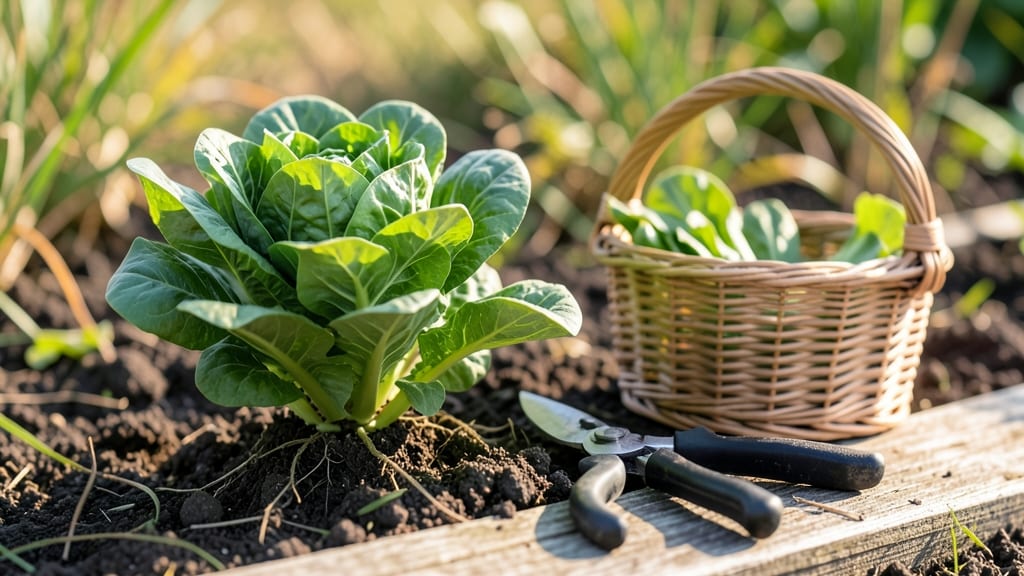
A to-go garden grows best when started in early spring or late summer to match soil temperatures above 60°F and avoid frost damage. Quick-sprouting picks like radishes and lettuce emerge in 3-7 days, while herbs and flowers follow suit with consistent watering and sunlight.
A to-go garden isn't just about convenience—it's about timing.
Planting during these windows ensures seeds germinate faster because the soil stays warm enough to activate enzymes that kickstart growth. 🌱 For example, radishes can pop up in just days, while basil might take a week but rewards you with fragrant leaves sooner than you'd expect.
The key is monitoring your local frost dates and adjusting your schedule accordingly; even a few degrees can mean the difference between thriving seedlings and wasted effort.
This approach also lets you tailor your garden to your lifestyle. Need greens in a week? Radishes or microgreens are your best bet. Want herbs for cooking? Basil and cilantro sprout quickly and thrive in small containers.
The beauty of a to-go garden is its flexibility—whether you're a weekend warrior or a busy professional, you can grow fresh produce on your own terms.
💡 In This Article
- Ideal Soil and Climate Conditions for To-Go Gardens
- Fastest-Germinating Seeds for Portable Gardening
Ideal soil and climate conditions for to-go gardens
Here's what's actually happening underground when you plant your portable garden: seeds require soil temperatures between 60°F and 75°F to activate their metabolic processes. Below 50°F, most seeds go dormant because enzymes responsible for breaking down stored nutrients slow down dramatically.
The 60°F threshold is particularly critical for fast germinators like radishes, where enzymes like amylase (which converts starches to sugars) become active, fueling rapid root development.
The climate connection is equally precise. Early spring planting works because days grow longer and soil warms steadily after the last frost date (typically 3-4 weeks before average last frost). Late summer planting capitalizes on residual summer heat while avoiding the extreme heat of peak summer, which can stress seedlings.
For example, in USDA Zone 7, early spring planting aligns with March-April when soil reaches 65°F consistently, while late summer planting occurs in August-September when temperatures hover around 70°F.
Moisture retention becomes the hidden hero in portable gardens. Seeds need 50-70% soil moisture to germinate, but containers dry out faster than ground soil. This is why self-watering trays or containers with 1-inch drainage holes work best—they balance hydration without waterlogging, which can suffocate roots.
The science here involves capillary action: water moves upward through soil particles, but too much compaction (common in small containers) disrupts this process, creating dry pockets where seeds fail to sprout.
Sunlight exposure creates another critical variable. Leafy greens like lettuce need 4-6 hours of direct sun daily, while herbs like basil thrive with 6-8 hours. The difference lies in their photosynthetic efficiency: basil's broad leaves capture more light energy, converting it to growth faster than lettuce's delicate fronds.
In portable setups, this means positioning containers near south-facing windows or using LED grow lights that emit 400-700nm wavelengths (blue for growth, red for flowering).
What most people don't realize is how regional climate zones affect these variables. Coastal areas with moderate temperatures can plant 2-3 weeks earlier than inland regions due to marine layer effects that moderate soil temps.
For instance, San Francisco's Zone 9 allows year-round planting of cold-hardy greens, while Phoenix's Zone 10 requires shade cloth during summer to prevent 85°F+ soil temps that inhibit germination. Always check your local USDA Plant Hardiness Zone and adjust timing by 1-2 weeks based on microclimates.
For the ultimate test, try this: plant radish seeds in two identical containers, one in full sun and one with 50% shade. The sun-exposed seeds will sprout in 3 days, while shaded ones may take 5-7 days.
This demonstrates how light triggers phytochrome pigments in seeds, signaling them to break dormancy. The faster germination in sunlight isn't just luck—it's biology at work.