
Tools
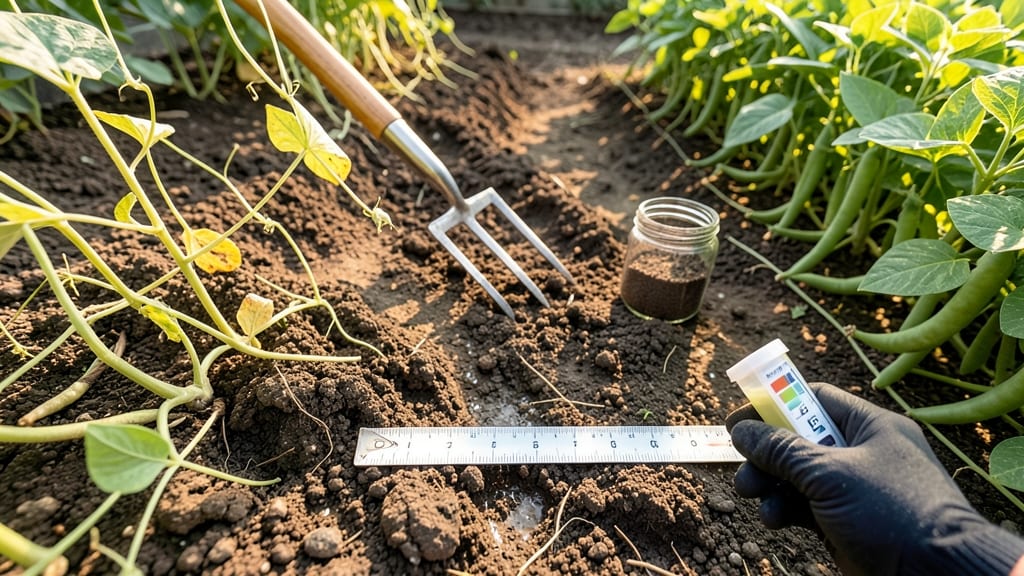
Maximize your string bean harvest with these precision gardening tools designed to optimize growth, space, and yield. Whether you're a beginner or seasoned gardener, these essentials will transform your planting efficiency.
Adjustable Trellis System for Vertical Growth
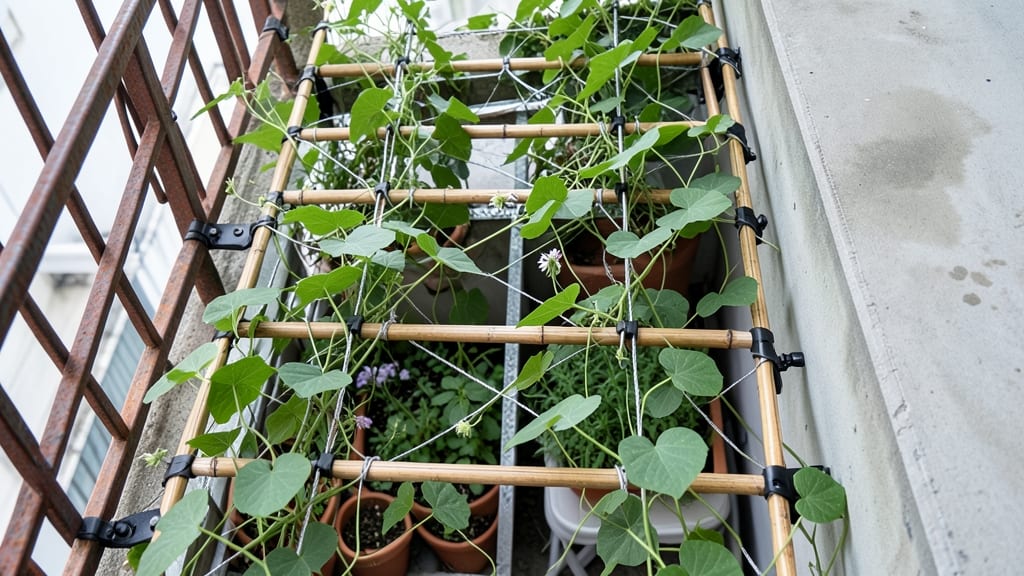
Turn your tiny balcony or crowded urban plot into a string bean powerhouse with an adjustable trellis system—the secret weapon for vertical gardening success. These space-saving structures transform sprawling vines into lush, organized walls of productivity, freeing up precious ground space for other crops.
Look for galvanized metal or powder-coated frames that resist rust and last multiple seasons, with height-adjustable crossbars to accommodate both dwarf and pole varieties. Install yours within 2-3 weeks after planting (when vines reach 6 inches tall) to prevent stem damage, and secure climbing beans with soft plant ties to guide them upward. The result? Up to 3x more beans per square foot compared to untrellised plants.
This tool is a game-changer for renters, apartment dwellers, and small-space gardeners who refuse to compromise on harvest size. With the right setup, you'll enjoy year-round vertical growth—even in containers! 🌱
Seed Starting Trays with Heat Mats
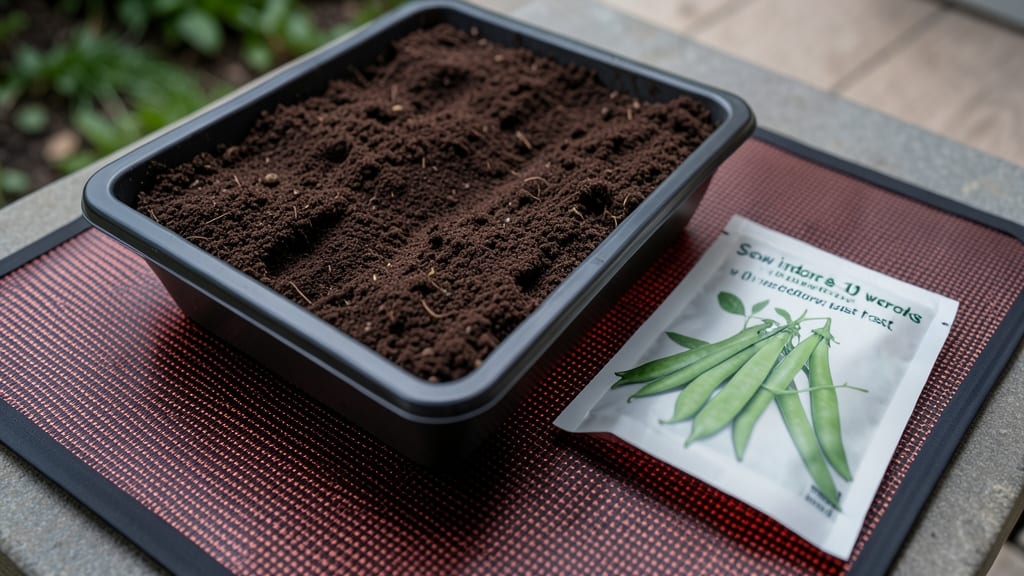
Cold frames and row covers can only do so much—when you're staring at a seed packet for string beans in March and wondering if they'll ever sprout, a seed starting tray with a heat mat becomes your secret weapon. These setups don’t just speed up germination—they ensure your seedlings emerge stronger and more uniform, giving you a head start on the growing season.
A heat mat maintains soil temperatures between 75-85°F, the ideal range for most bean varieties, cutting germination time by 30% compared to outdoor planting. Pair this with a clear plastic dome (or a simple plastic wrap) to trap humidity, and you’ll see sprouts in 5-7 days instead of the usual 10-14. For cold climates, this means starting beans 4-6 weeks earlier than traditional methods, while impatient gardeners get their first harvests weeks ahead of schedule.
This tool is especially valuable for gardeners in USDA Zones 3-6, where cool springs delay planting, or anyone who wants to avoid the risk of uneven germination. It’s also a game-changer for small-space growers using windowsill setups—just plug in the mat, add your seeds, and watch your beans race toward the light. 🌱
Precision Soil Moisture Meter
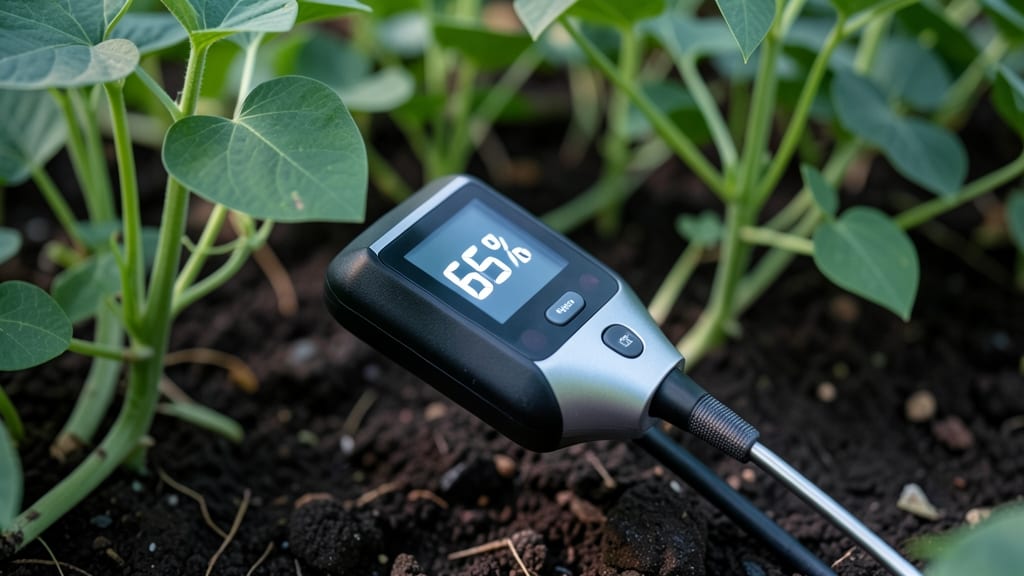
A precision soil moisture meter is the secret weapon for growing string beans without the guesswork of watering. Unlike other plants, beans demand consistent moisture—too little stunts growth, while soggy roots invite rot and disease. This tool gives you real-time data to avoid both extremes.
Look for a digital meter with adjustable depth probes (4-6 inches deep) to monitor soil moisture where bean roots thrive. Pair it with an automated irrigation system for hands-off consistency, especially during hot summers when evaporation spikes. Even beginners can master the "just-right" moisture balance with this gadget.
This is especially valuable for container gardeners or those using drip irrigation, where overwatering is a common pitfall. 💡
Handheld Seed Spacing Gauge
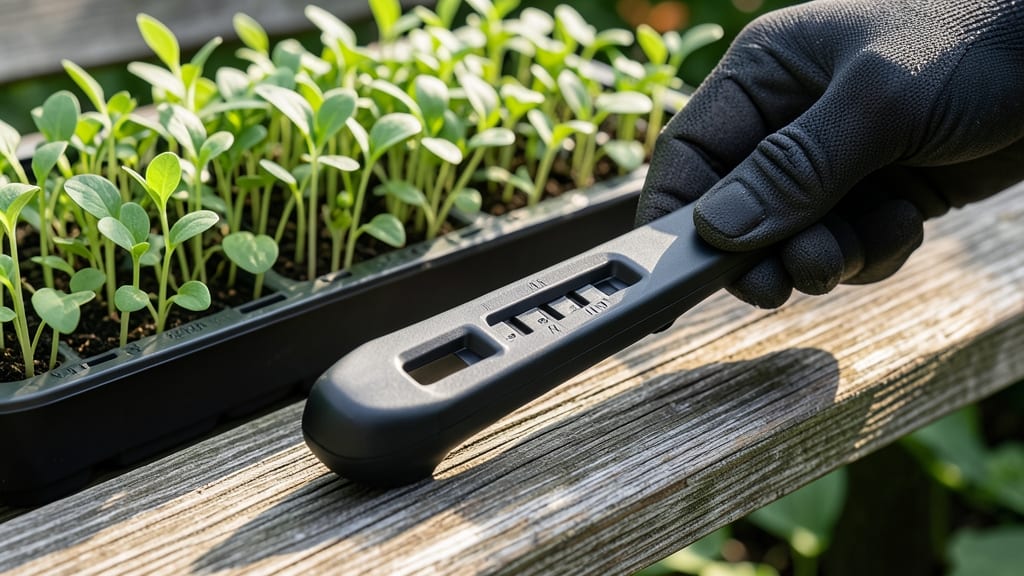
Tired of thinning seedlings or battling fungal diseases from overcrowded plants? A handheld seed spacing gauge is your secret weapon for perfect 4-6 inch spacing—the ideal distance for string beans to thrive without competing for nutrients.
This simple tool features marked slots that align with your fingers, ensuring every seed gets planted at the right depth and distance. No more guesswork! It’s especially useful for large-scale planting or when you’re racing against time to beat pests. For competitive gardeners, it’s the difference between a decent harvest and a record-breaking one.
Whether you're planting in rows or hills, this tool saves time and eliminates the guesswork that leads to weak, disease-prone plants. Perfect for beginners and pros alike! 🌱
Compost Tea Brewer for Nutrient Boost
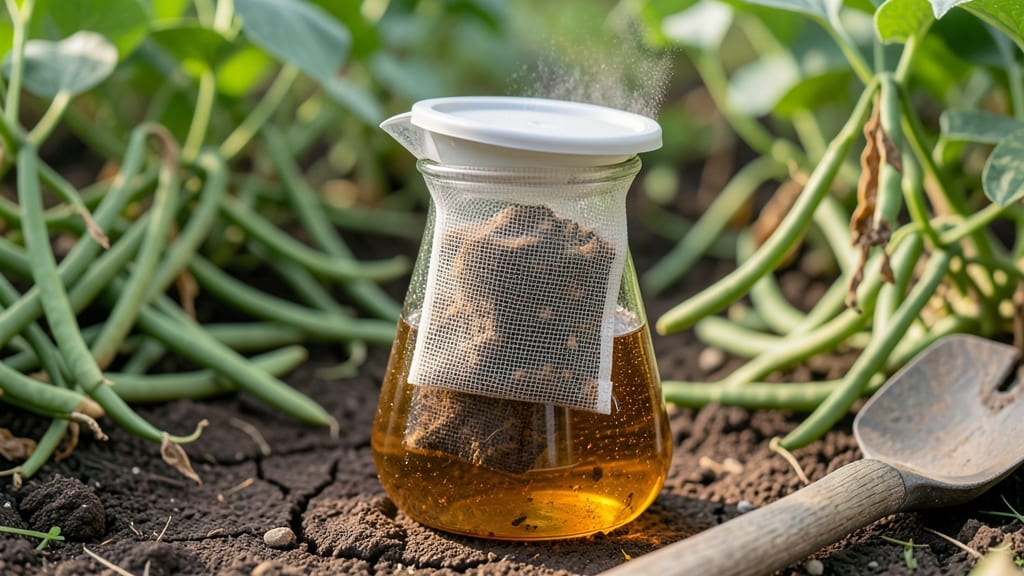
If your string beans seem sluggish or your soil lacks vitality, a compost tea brewer might be your game-changer. This simple tool transforms compost into a liquid nutrient powerhouse, packed with beneficial microbes that boost soil health and plant resilience—especially for nitrogen-hungry beans.
Brewing takes just 24-48 hours using aerated water and compost, creating a rich, amber solution you can spray directly onto leaves or pour into the soil. The result? Stronger roots, improved disease resistance, and 20-30% more nitrogen fixation—critical for beans that rely on soil bacteria to thrive. It’s the organic gardener’s secret weapon for revitalizing depleted soil without synthetic fertilizers.
Perfect for organic gardeners or anyone with tired soil, this tool turns compost into a dynamic growing aid that pays dividends in healthier plants and bigger harvests. 💡
Adjustable Row Crop Weeder
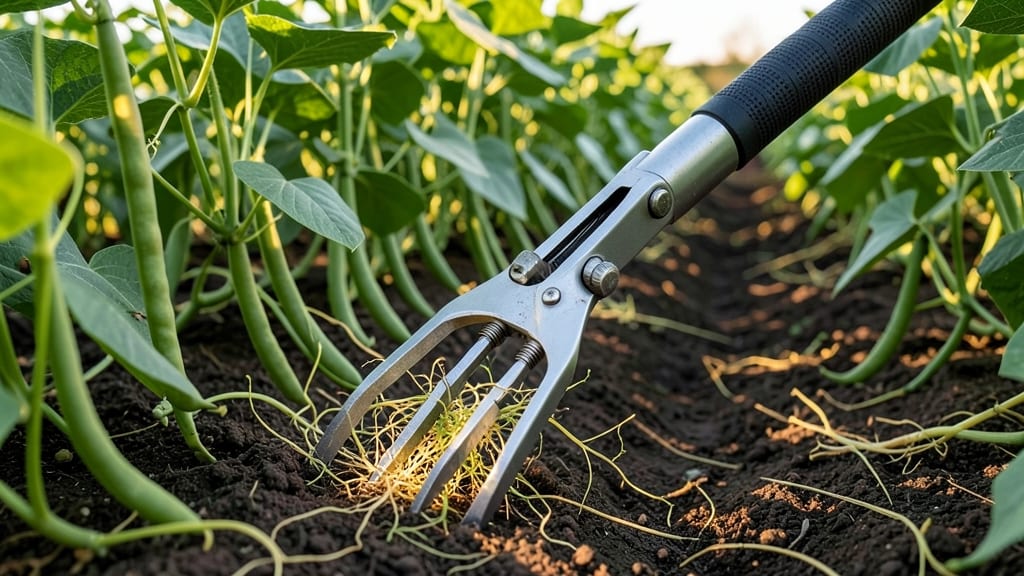
Tired of bending over for hours to pull weeds between your string beans while risking disturbed roots? An adjustable row crop weeder glides between plants, slicing through weeds at the soil surface without touching delicate bean roots or compacting the soil.
This tool features adjustable tines that fit your row spacing (typically 18-24 inches for beans) and works in both dry and lightly moist soil. Use it weekly during the growing season to prevent weeds from competing for nutrients—especially critical in organic gardens where chemical herbicides aren’t an option.
Gardeners with back issues or those who prefer to stand while weeding will appreciate how this tool cuts labor time by up to 70% while keeping your beans thriving. 💪
Pest-Repellent Plant Spray Bottle
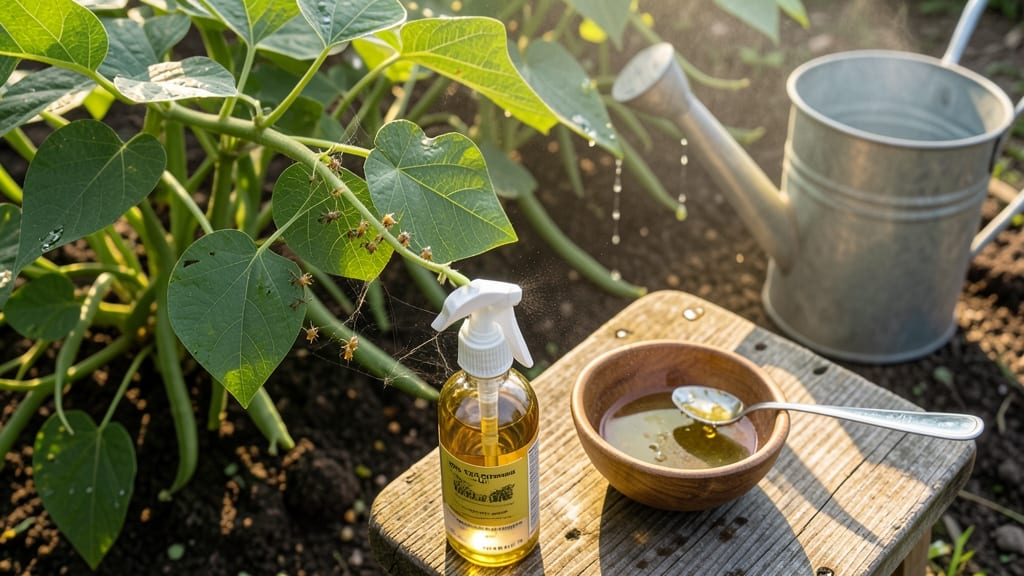
When aphids and spider mites start feasting on your string beans, you don’t need harsh chemicals to fight back—just a neem oil spray bottle. This organic solution disrupts pests' life cycles while leaving your plants unharmed, making it a must-have for eco-conscious gardeners.
Mix 1 tablespoon of neem oil with 1 teaspoon of mild soap in a quart of water, then shake well before spraying. Apply in the early morning or evening to avoid burning leaves, and reapply every 7-10 days or after rain. The key is prevention—start spraying when plants are young to keep pests from establishing colonies.
This tool is perfect for certified organic gardens or anyone who wants to avoid synthetic pesticides. With just a few sprays, you’ll protect your beans from stunted growth and yellowing leaves—without the guilt. 🌿
Garden Twine with Built-In Tensioner
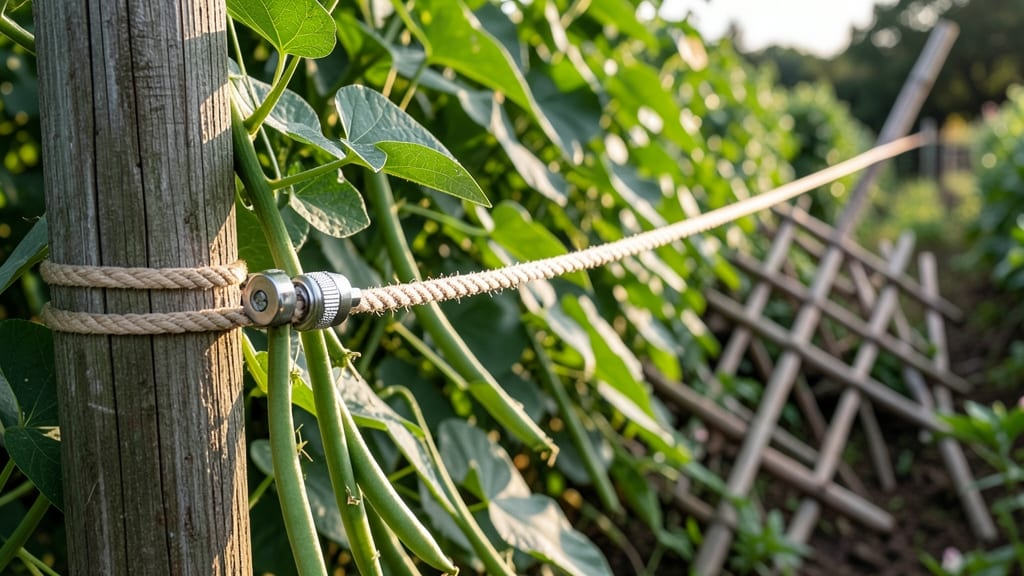
Tired of string beans sagging mid-season or trellises collapsing under wind gusts? A garden twine with built-in tensioner solves both problems in one simple tool. Unlike regular twine that loosens over time, this system locks tension at your preferred level, keeping vines upright and preventing breakage from heavy pods or storms.
The adjustable tensioner lets you fine-tune support as plants grow, while the durable twine resists fraying—critical for large trellis systems or wind-prone areas. This eliminates the need for constant retightening, saving you hours of maintenance. It’s especially valuable for pole beans that need sturdy support to climb vertically.
Perfect for gardeners in breezy climates or those with sprawling trellises, this tool ensures your beans stay healthy and productive all season. 🌻
Harvesting Pruners with Ergonomic Grips
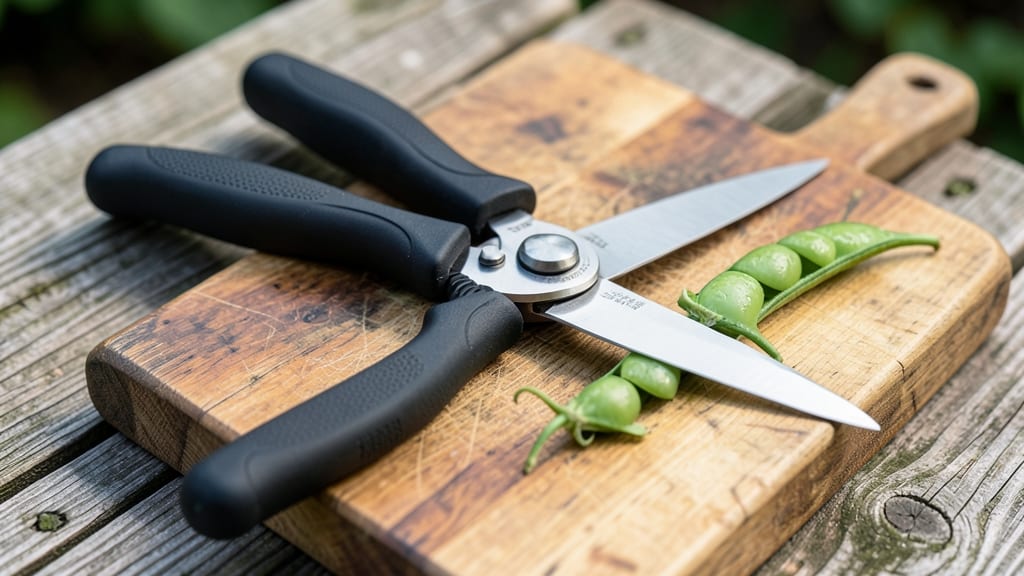
Tired of crushing stems or missing pods when harvesting your string beans? Ergonomic harvesting pruners make the job effortless while keeping plants healthy and productive. These precision tools feature non-slip grips and sharp, angled blades that cut cleanly without tearing plant tissue—critical for encouraging more pods to develop.
Look for models with gel or foam padding to reduce hand strain, especially important for gardeners with arthritis or those harvesting large quantities. The selective harvesting technique—removing only mature pods—extends your season by stimulating new growth. A good pair will last years, making them a worthwhile investment for both small plots and commercial gardens.
These pruners are a game-changer for anyone who wants to avoid the frustration of damaged plants or missed harvests. 🌱
Soil pH Test Kit with Calibration

If your string beans are struggling to thrive despite perfect sunlight and water, the issue might be hiding in your soil's pH levels. String beans thrive in a neutral pH range of 6.0-7.0, where they can efficiently fix nitrogen—a critical nutrient for their growth. A calibrated pH test kit reveals whether your soil is too acidic or alkaline, allowing you to adjust it before planting.
Unlike generic test kits, this one includes calibration tools to ensure accuracy, especially important for gardeners in regions with naturally acidic or alkaline soil. Once you know your pH, you can amend it with lime (to raise pH) or sulfur (to lower it), creating the ideal conditions for robust root development and nitrogen fixation. This small step can mean the difference between a meager harvest and a bountiful one.
Perfect for gardeners dealing with unpredictable soil conditions or those transitioning from one climate to another, this tool is a game-changer for anyone serious about maximizing their string bean yield. 💚