
Tools
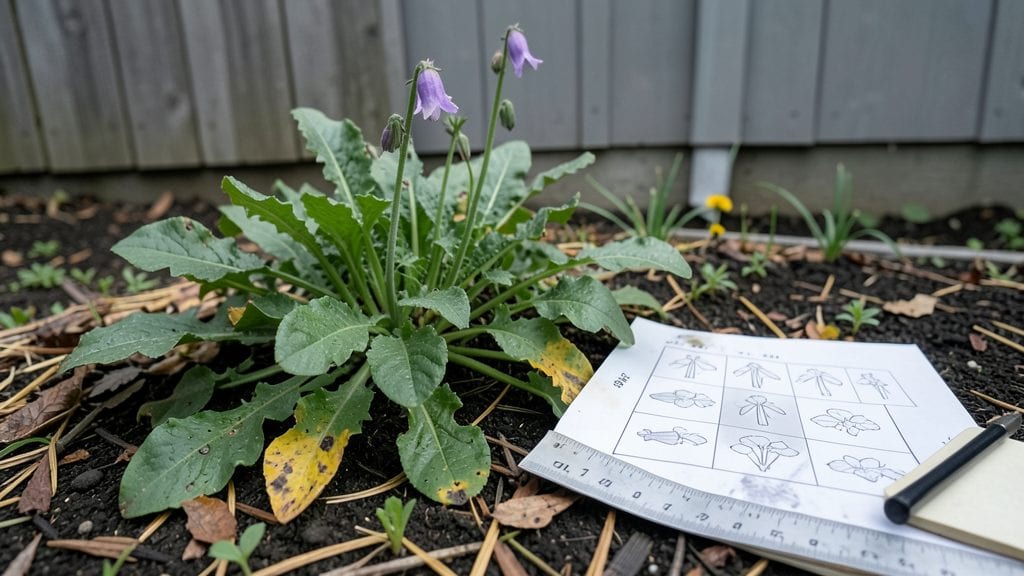
A sqft gardening chart organizes plant spacing and yield estimates by variety, helping maximize harvests in small gardens by allocating 1 square foot per plant or grouping compatible crops efficiently.
A sqft gardening chart transforms tight spaces into productive growing areas by mapping out exactly how much room each plant needs to thrive. 🌱 This system, pioneered by Mel Bartholomew, accounts for root competition and sunlight access—leafy greens like lettuce get just 4 plants per square foot, while tomatoes need their own full square.
The beauty of this method is how it eliminates guesswork, letting you squeeze every inch of your garden into actionable yields without overcrowding.
For example, my 4’x8’ raised bed now grows enough basil for all summer pesto thanks to the chart’s 16 plants per square foot allocation. It’s not just about space—it’s about strategy, turning even a balcony into a high-output growing system.
💡 In This Article
- How Square Foot Gardening Calculates Plant Spacing
- Top Crops for Square Foot Gardening Yields
How square foot gardening calculates plant spacing
Square foot gardening's spacing system is rooted in three key biological principles: root zone competition, plant maturity, and sunlight access. Mel Bartholomew's methodology treats each square foot as an independent growing unit, where plants compete primarily for nutrients and water within that confined space.
The chart accounts for mature plant size—tomatoes, for example, need 1 square foot because their root systems expand aggressively, while bush beans only need 9 plants per square foot due to their compact growth habit.
The science gets fascinating when you look at leafy greens versus fruiting plants. Lettuce gets 16 plants per square foot because its shallow roots and rapid growth cycle mean it won't compete with neighbors for long.
In contrast, broccoli gets just 4 plants per square foot because its larger head and deeper roots require more space to develop properly. This difference in allocation reflects how fruiting plants need room for their energy-intensive reproductive structures to form without crowding.
Sunlight access plays a crucial role too. The chart assumes 6-8 hours of direct sunlight daily, which is why tall plants like corn get their own dedicated squares in the layout.
What's often overlooked is how vertical growth affects neighboring plants—tall varieties like pole beans cast shade that can stunt shorter crops. The system accounts for this by spacing taller plants at least 12 inches apart from sun-sensitive varieties like lettuce.
Here's what most gardeners miss: the chart's spacing accounts for plant "canopy closure" - the point where leaves begin shading each other. For instance, basil's 16 plants per square foot allocation works because its leaves stay compact until flowering.
But if you plant too densely, the plants will start competing for light at 4-6 weeks, reducing yields by up to 30%. The chart's numbers are based on empirical testing of when this competition threshold occurs for each variety.
Bartholomew's original research revealed another critical factor: root depth. Carrots get 1 plant per square foot because their taproots need 12+ inches of soil depth to develop properly. Shallots, with their fibrous roots, can handle 9 plants per square foot because they don't compete as aggressively for vertical space.
This vertical dimension is often overlooked in traditional row gardening but becomes crucial in the confined square foot system.
The spacing calculations also consider harvest timing. Fast-maturing crops like radishes (16 plants per square foot) can be interplanted with slower growers like onions (9 plants per square foot) because they'll be harvested before the onions fully mature.
This sequential planting strategy maximizes space utilization by ensuring no square foot sits empty during the growing season. 💫
What makes this system particularly brilliant is how it accounts for plant "aggressiveness." Some varieties like squash spread aggressively through vines, while others like peppers grow in compact bushes.
The chart reflects this by giving squash 1 plant per square foot (with vines trained upward) while peppers get 4 plants per square foot. This attention to growth habit ensures you're not just planting by guesswork but by each plant's inherent competitive nature.